
What would you like to watch? Tap a category.
The NEXTEKCI Academy
The founder’s lessons, in the order of the programme. Start with the first one: at the end of each video, the next one starts by itself.
The feed store
 Presented by Abdul Hussein ChoumanFounder of NEXTEKCI · Agnibilékrou hatchery since 2006

Lesson text
Rainy season. You lift a bag at the back of the store. The floor underneath is damp. The bag itself has no smell.
So you pour it into the feeders, like the others. And perhaps that’s where the problem begins.
First trap: smell proves nothing. It can be contaminated without smelling, and with no visible mould.
Moulds produce poisons in it, mycotoxins. Invisible in the bag, they pass into the chicken.
They damage the liver and kidneys. They weaken the defences. The flock then responds less well to its vaccines.
And some make the birds refuse the feed. The feeder remains full, and you look for the cause elsewhere.
Mould starts growing when the air reaches around sixty-five per cent humidity. And it thrives in heat, above twenty-five degrees.
A hot, damp, airless store is everything it likes. Even without mould, heat already destroys vitamins.
Second trap: keeping feed for too long. According to the FAO, compound feed keeps for one to two months.
Ground raw materials, the same under our climate. Whole grains keep for three to four months.
So I recommend buying at the flock’s pace. Not six months’ worth of stock sitting in the heat.
Now, the steps to take in the store. Bags go on pallets, and they never touch an outside wall.
Several small stacks are better than one big pile. Air passes between them, and every bag remains visible.
The door is locked, and the openings are covered with mesh. Neither rats nor birds get in.
And the first bag in is the first bag out. A date on every bag, and none gets forgotten.
And a silo doesn’t protect everything on its own. Temperature fluctuations create water in it, and mould follows.
A doubtful bag is taken out of circulation. It is never mixed with the good ones.
Mixed with ten good bags, it doesn’t disappear. You simply have eleven doubtful bags.
In the poultry house, monitor the flock’s appetite. If it eats less for no reason, keep the bag separate, and call your veterinarian.
And at your place, what are the bags kept on? On the floor, on planks, or on pallets?
Take a photo of your store, and send it to us on WhatsApp at 05 44 83 27 79. Our flock record book is waiting for you, free of charge.
An order for chicks? Call 07 07 72 78 67. Subscribe, and we’ll then look at how to change feed.
Our day-old chicks are sorted one by one in Agnibilékrou. With Nextekci, every customer is a satisfied poultry farmer.
 The Flock's Waiting LineNEXTEKCI · Lesson 22
 The flock that drops a week before it showsNEXTEKCI · Lesson 33
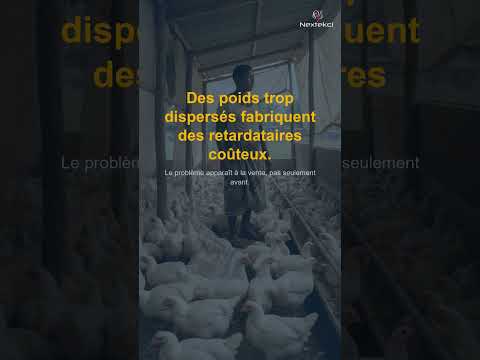 Correct weight, vanished feed: the invisible leakNEXTEKCI · Lesson 44
 When hens attack each otherNEXTEKCI · Lesson 55
 Torticollis and sudden deaths: the Newcastle signalNEXTEKCI · Lesson 66
 The vaccine given in chlorinated water protects no oneNEXTEKCI · Lesson 77
 The tail of the flockNEXTEKCI · Lesson 88
 Sell by the kilo, not by the headNEXTEKCI · Lesson 99
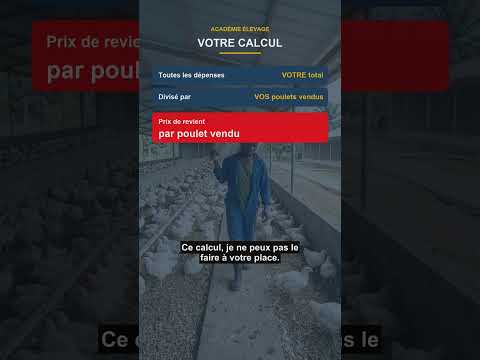 The cost price of a chickenNEXTEKCI · Lesson 1010
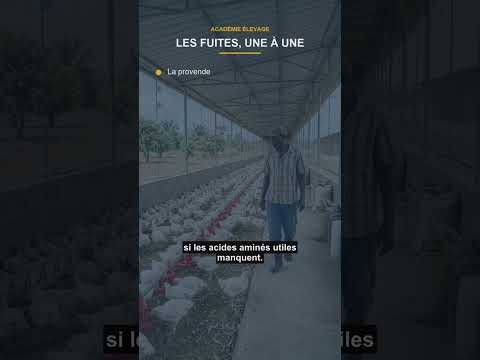 The extra kilo of feedNEXTEKCI · Lesson 1111
 Weighing to ManageNEXTEKCI · Lesson 1212
 The last days before saleNEXTEKCI · Lesson 1313
 The worst place to saveNEXTEKCI · Lesson 1414
 Homemade feedNEXTEKCI · Lesson 1515
 The feed storeNEXTEKCI · Lesson 16▶
 The feed storeNEXTEKCI · Lesson 1617
 Changing feedNEXTEKCI · Lesson 1718
 Changing feedNEXTEKCI · Lesson 1719
 The feeder, where the feed goesNEXTEKCI · Lesson 1820
 The Morning DroppingsNEXTEKCI · Lesson 1921
 When deaths increaseNEXTEKCI · Lesson 2022
 When deaths increaseNEXTEKCI · Lesson 2023
 Heat, in the right orderNEXTEKCI · Lesson 2124
 Heat, in the right orderNEXTEKCI · Lesson 2125
 Litter, the chain that starts from a leakNEXTEKCI · Lesson 2226
 Litter, the chain that starts with a leakNEXTEKCI · Lesson 2227
 Close the night without suffocating the flockNEXTEKCI · Lesson 2328
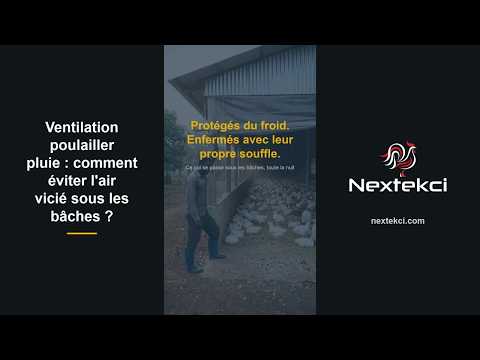 Closing up at night without suffocating the flockNEXTEKCI · Lesson 2329
 The water line, from the insideNEXTEKCI · Lesson 2430
 The farm entranceNEXTEKCI · Lesson 2531
 The sanitary break, step by stepNEXTEKCI · Lesson 2632
 The pullet, the weight that decidesNEXTEKCI · Lesson 2733
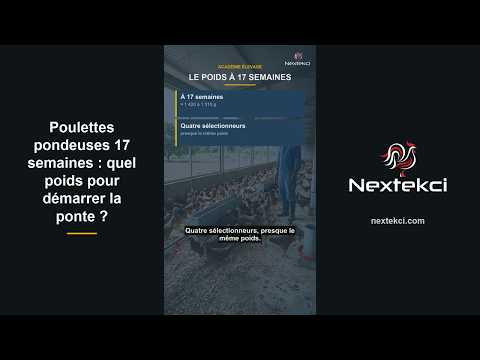 The pullet, the weight that decidesNEXTEKCI · Lesson 2734
 Making it to the first eggNEXTEKCI · Lesson 2835
 Making it to the first eggNEXTEKCI · Lesson 2836
 Reading your laying curveNEXTEKCI · Lesson 2937
 Egg production drops, the investigation in orderNEXTEKCI · Lesson 3038
 Lighting during layNEXTEKCI · Lesson 3139
 The shell: reading the egg to make correctionsNEXTEKCI · Lesson 3240
 Nests and egg collectionNEXTEKCI · Lesson 3341
 Culling, when the flock no longer paysNEXTEKCI · Lesson 35