
The water line, from the inside
 Presented by Abdul Hussein ChoumanFounder of NEXTEKCI · Agnibilékrou hatchery since 2006
Lesson text
A pipette is leaking, you take apart a section of the line. And running your finger inside, it’s slimy.
Outside, the pipe is clean, almost white. Inside, a sticky layer lines the entire wall.
A water line is judged from the inside. And the inside, no one looks at.
This deposit has a name, biofilm. Microbes stuck to the pipe, in a slime they produce.
This slime protects them. The disinfectant slides over it, without reaching the microbes.
It grows when the water is stagnant or flows slowly, in a warm building. A breeding line, in short.
And everything you pass into the water feeds it. Vitamins, electrolytes, vaccines, it’s a meal for it.
Once established, it becomes ten to a thousand times harder to clean. And salmonella can live there for weeks.
During the flock, purging the line helps. The real cleaning, however, is done between two flocks.
Here’s the order I recommend. First, empty the line and rinse it with clear water.
Then, fill the entire line with a product made for that. Ensure it reaches all the way to the end.
Breeders mention peroxide-based products. No strong bleach, it damages pipettes and regulators.
Then let it act, for a long time. One breeder says at least four hours, another twelve, and the University of Arkansas, twenty-four.
Finally, drain and rinse thoroughly, with line ends open. The current pulls away what the product has loosened.
The line is clean. Next is the temperature of the water. Tank in the sun, pipe under the sheet metal, the water heats up on the way.
Fresh water is pleasant to drink. Lukewarm water is shunned. From twenty-seven degrees, it drinks less, then it grows less.
So, keep the tank in the shade, and purge in the afternoon. The lukewarm water from the pipe goes out, the water from the tank replaces it.
Take a glass at the end of the line, around two o'clock, and put a thermometer in it. It’s that water they drink, not the tank water.
Next comes the height of the line. It should follow the size of the birds, week after week.
Too low, the pipette drips and wets the litter. Too high, only the largest drink comfortably.
Last point, note each day the water the flock drinks. Without a meter, count the tanks or buckets poured.
A sudden drop often precedes any other sign. A rise without heat? First, look for a leak.
And at your place, the last time a pipe was opened, what did you find inside?
At the next disassembly, show us the inside of the pipe. Photo at 05 44 83 27 79, on WhatsApp, for any information. Our flock record book is free.
Our order line for chicks is 07 07 72 78 67. Subscribe, the next part talks about the entrance to the farm.
Born in Agnibilékrou, our chicks deserve clean water. With Nextekci, every customer is a satisfied farmer.
 The Flock's Waiting LineNEXTEKCI · Lesson 22
 The flock that drops a week before it showsNEXTEKCI · Lesson 33
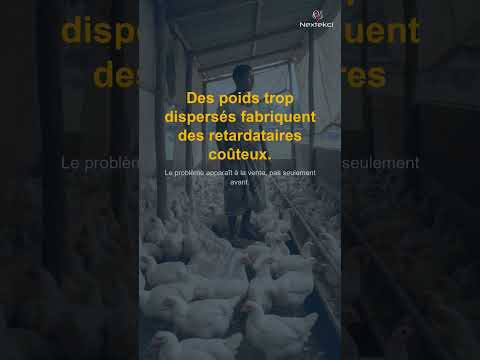 Correct weight, vanished feed: the invisible leakNEXTEKCI · Lesson 44
 When hens attack each otherNEXTEKCI · Lesson 55
 Torticollis and sudden deaths: the Newcastle signalNEXTEKCI · Lesson 66
 The vaccine given in chlorinated water protects no oneNEXTEKCI · Lesson 77
 The tail of the flockNEXTEKCI · Lesson 88
 Sell by the kilo, not by the headNEXTEKCI · Lesson 99
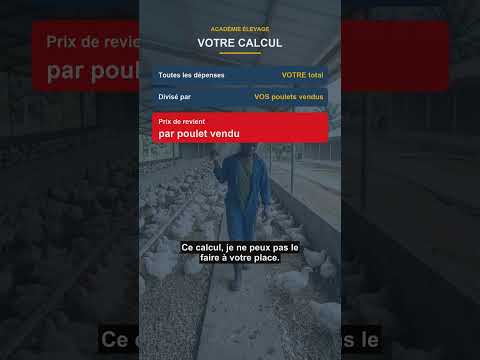 The cost price of a chickenNEXTEKCI · Lesson 1010
 The extra kilo of feedNEXTEKCI · Lesson 1111
 Weighing to ManageNEXTEKCI · Lesson 1212
 The last days before saleNEXTEKCI · Lesson 1313
 The worst place to saveNEXTEKCI · Lesson 1414
 Homemade feedNEXTEKCI · Lesson 1515
 The feed storeNEXTEKCI · Lesson 1616
 Changing feedNEXTEKCI · Lesson 1717
 The feeder, where the feed goesNEXTEKCI · Lesson 1818
 The Morning DroppingsNEXTEKCI · Lesson 1919
 When deaths increaseNEXTEKCI · Lesson 2020
 Heat, in the right orderNEXTEKCI · Lesson 2121
 Litter, the chain that starts from a leakNEXTEKCI · Lesson 2222
 Close the night without suffocating the flockNEXTEKCI · Lesson 23▶
 The water line, from the insideNEXTEKCI · Lesson 24
Other lists
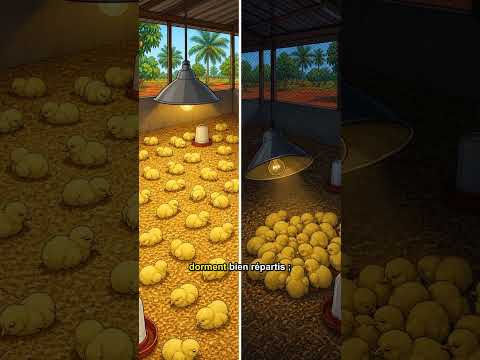 5 videosThe big betMini-drama · 5 episodesPlay the list
 3 videosThe maquis contractMini-drama · 3 episodesPlay the list
 2 videosThe farmer's notebook — complete seasonsMini-drama · 2 episodesPlay the list
 9 videosRosine's notebookMini-drama · 9 episodesPlay the list
 5 videosThe boss lady's planMini-drama · 5 episodesPlay the list
 20 videosMariam's dowryMini-drama · 20 episodesPlay the list
 9 videosChick moneyMini-drama · 9 episodesPlay the list
 3 videosTrue storiesMini-drama · 3 episodesPlay the list
 1 videosStubborn UncleMini-drama · 1 episodePlay the list
 235 videosTips of the day235 short videos · most recent firstPlay the list
 31 videosPractical questions31 short answers · ordering, collection, towns…Play the list