
Poultry encyclopedia · NEXTEKCI School · Species and breeds
The white cockerel
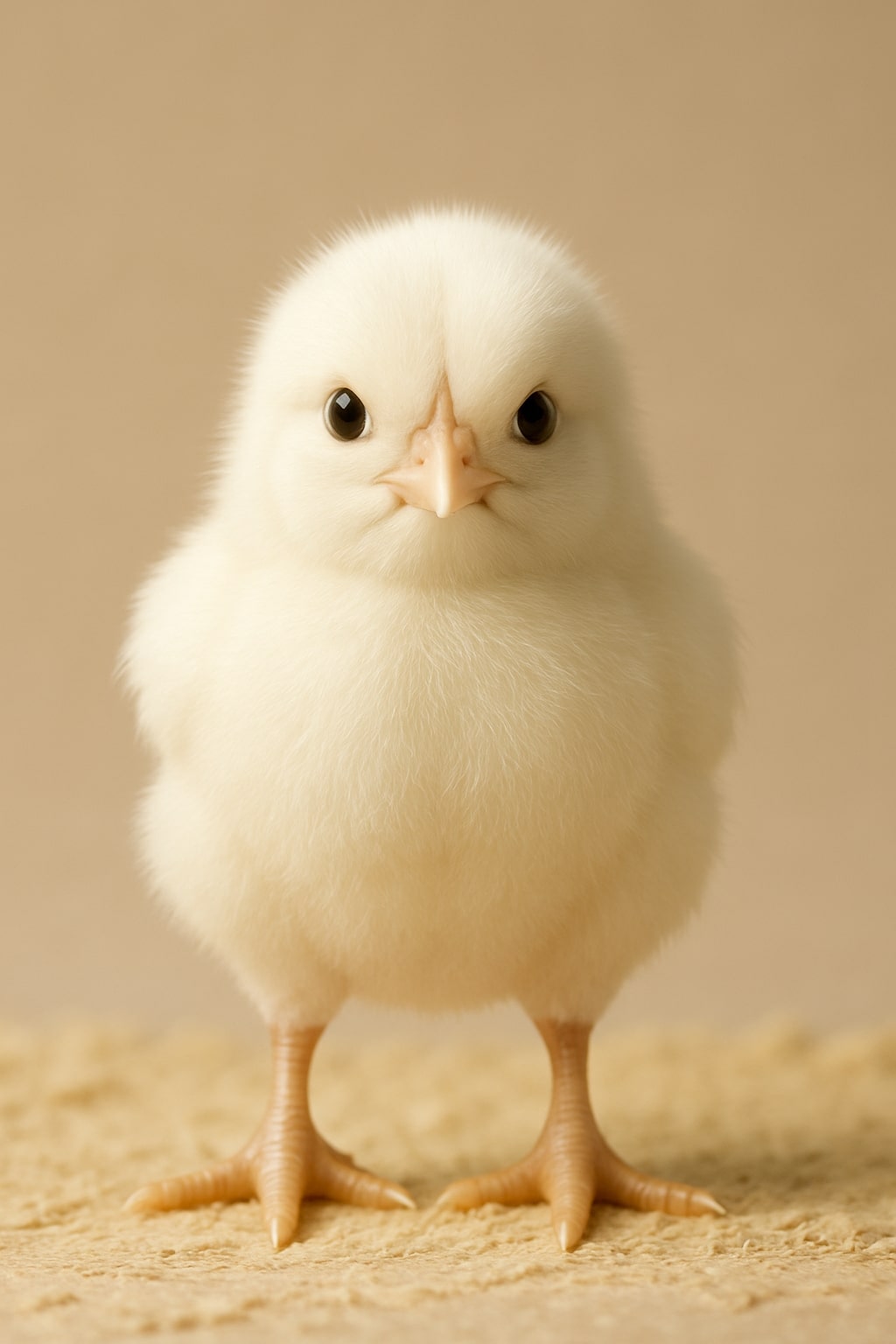
The white cockerel is the young male of a laying-type strain, raised for its meat and sold young. Lighter than a broiler, it sells easily at markets and is an affordable way into the trade while you learn.
Key facts
- Type
- Male of a laying strain
- Growth
- Slower than a white broiler
- Selling weight
- Lighter than a broiler
- Selling age
- Depends on the target market
- Suited to
- Beginners: a forgiving business
- Vaccination
- On the farm, following the vet in your area
What is a cockerel?
The word cockerel means a young male chicken. The NEXTEKCI white cockerel is the male of a laying strain: it has not been selected for meat like the broiler, so it grows more slowly and stays lighter, but it is sturdy and its meat is appreciated.
It should not be confused with the white broiler: same plumage, but an entirely different business.
Why choose it
The cockerel is an affordable option for getting started. Along with coloured chickens, it is the business the School recommends for a first flock: 200 to 500 birds, to learn how to brood chicks, weigh, keep a record sheet and sell, with limited risk.
Many successful farmers started this way, then moved on to white broilers or layers once their market and team were in place.
Uses and market
Cockerels are mostly sold live and by the bird: households, traders, local eateries and grilled-meat sellers. Their lighter weight means targeting the right customer: one looking for a small whole bird, not a large broiler.
As with any production, find your buyer before ordering, and agree the selling age and weight with them.
Management and health
Brooding follows the same rules as for all chicks: a clean, pre-heated house, water and feed on arrival, dry litter and a crop check. Weigh every week to track growth and decide on the right time to sell.
NEXTEKCI cockerels receive no vaccine at the hatchery: vaccination is done on the farm, following the protocol of the vet in your area. The biosecurity rules stay the same: one age group at a time, no backyard poultry nearby.
Common mistakes
Expecting a cockerel to reach broiler weight. Feeding it poor-quality feed on the grounds that it is a low-cost production. Keeping it for a long time without working out what each extra week of feed costs. Neglecting brooding because “cockerels are tough”.