
Poultry encyclopedia · NEXTEKCI School · Species and breeds
The brown layer
The brown layer is a hen selected to lay brown-shelled eggs over about a year and a half of production. It is a long-term investment: several months of rearing the pullet with no income, then eggs almost every day.
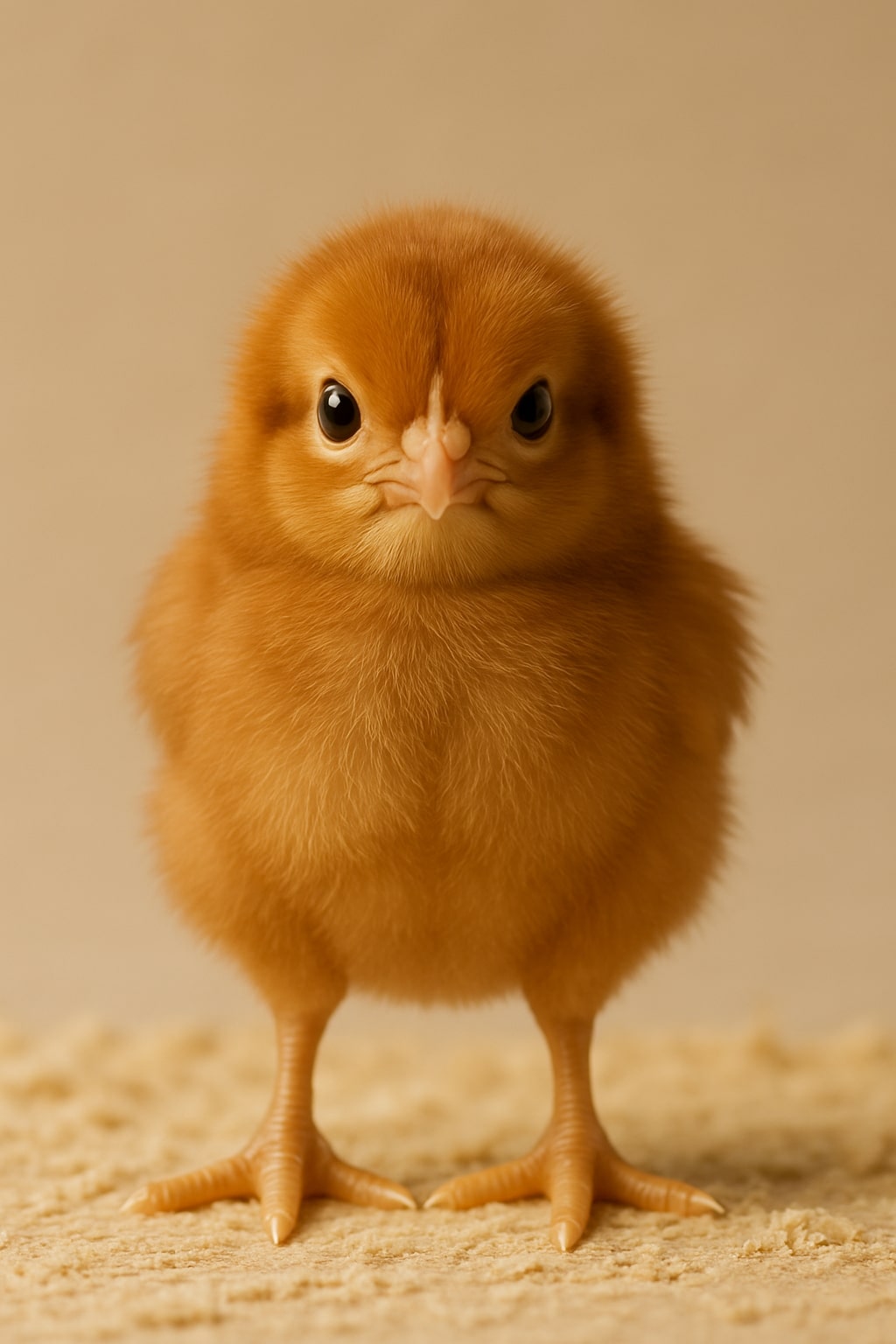
Key facts
- First eggs
- At around 19 to 20 weeks
- Target weight at 18 weeks
- 1,480 to 1,580 g (Novogen Brown)
- Feed at peak production
- About 111 to 119 g per hen per day
- Light during lay
- 16 hours a day
- Depletion
- At around 72 to 80 weeks
- Vaccination
- Marek’s at the NEXTEKCI hatchery; others on the farm
What is a brown layer?
The brown layer is a light hen with red-brown plumage, selected to produce brown-shelled table eggs. She lays without a cockerel: the eggs sold at market are not fertilised.
The reference strains include Novogen Brown and ISA Brown. NEXTEKCI layer chicks follow the same growth and laying curves as Novogen Brown.
Uses and market
Eggs are sold every day, by the tray, to shops, traders, bakeries and pastry shops, restaurants and households. Once laying has started, income is regular, almost daily. At the end of the cycle the spent hens are also sold: they are part of the flock’s income.
The start needs solid cash reserves: the pullet is fed for several months before the first egg. A layer business is not started with short-term borrowed money.
The main stages
From 0 to 5 weeks: brooding. From 6 to 16 weeks: pullet growth, with weekly weighing. From 17 to 20 weeks: preparation for lay and transfer to the laying house. At around 20 to 22 weeks: onset of lay. Then production until depletion at around 72 to 80 weeks.
Light controls the hen’s maturity: it is reduced during rearing, then increased to trigger laying, but only once the pullets have reached the right weight. A pullet of the right weight in a uniform flock at 18 weeks will lay for longer and more steadily.
Conditions in a hot climate
A hen drinks about 1.8 times what she eats, and almost twice that in very hot weather. Cool water helps the hen maintain her lay and shell strength. On the floor, allow about 4 to 5 hens per m² at 30 °C.
Layer feed, rich in calcium, replaces pre-lay feed as soon as the first eggs appear. Nest boxes are in place before laying begins, and eggs are collected at least 2 to 3 times a day, more often in hot weather. Hens can be kept on the floor or in cages: each system has its advantages and constraints.
Health and common mistakes
NEXTEKCI brown layer chicks are vaccinated against Marek’s disease at the hatchery (certificate on request). Other vaccines are given on the farm during pullet rearing, following the protocol of the vet in your area: ask for it before the chicks arrive.
Common mistakes: increasing light before the pullets have reached the right weight; reducing light during lay; setting up nest boxes too late; too few feeders, which ruins flock uniformity; letting water heat up; keeping several ages in the same house.