
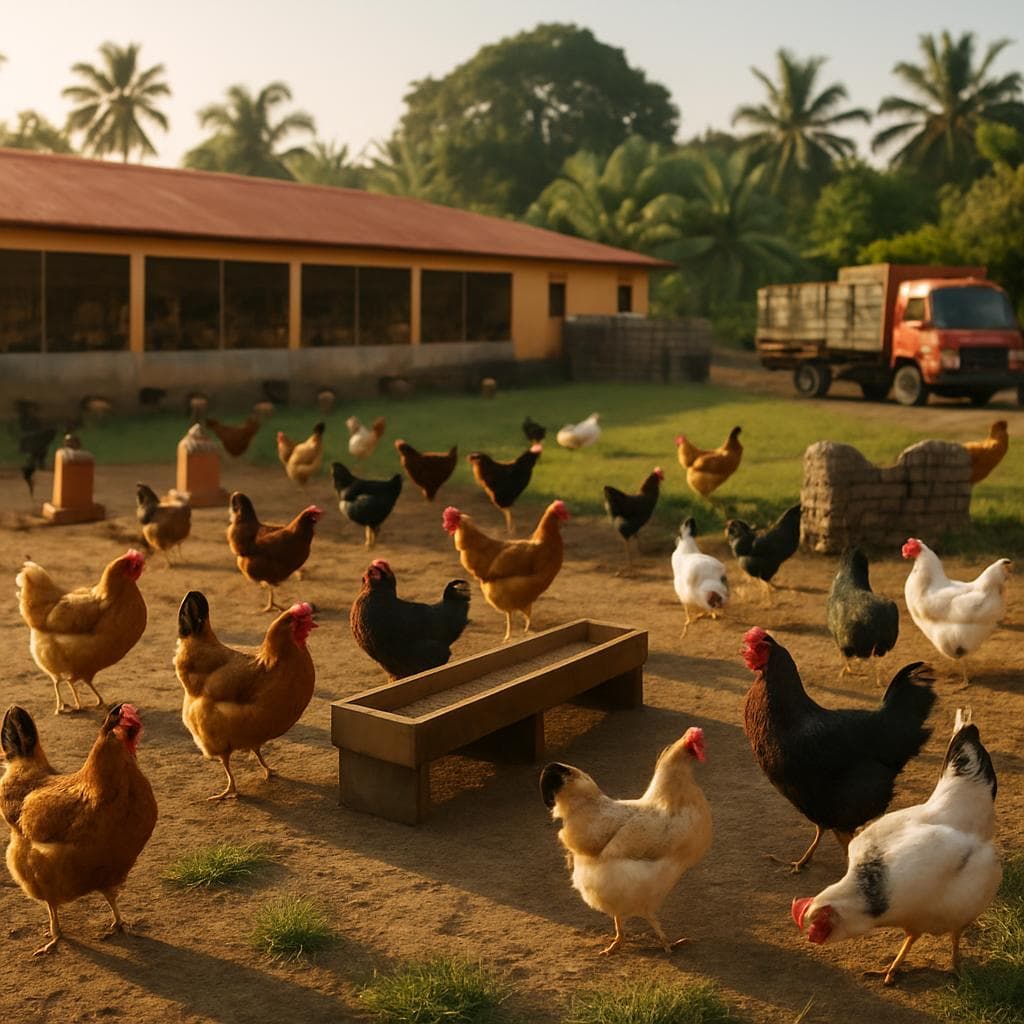
In a global context where sustainability is becoming a priority, the poultry sector in Côte d'Ivoire is also called to evolve towards more environmentally friendly practices. Recently, key players in farming, feed, genetics, and equipment gathered to discuss the necessary transitions to build a low-carbon poultry sector.
This initiative aims to reduce the carbon footprint of poultry farming, which is crucial not only for the environment but also for consumer health. Discussions focused on various strategies, including optimising poultry feed, improving farming practices, and innovating in the equipment used. For example, the use of more sustainable raw materials and the search for solutions to reduce waste are explored avenues.
Ivorian poultry farmers must pay attention to these developments. By integrating sustainable practices into their operations, they can not only contribute to environmental protection but also meet the growing expectations of consumers for ethical and healthy products. Furthermore, the transition to a greener sector could also open new market opportunities, particularly for certified organic or eco-friendly products.
However, this transition will not happen without challenges. Farmers will need to adapt to new production methods, which may require investments in training and equipment. Additionally, it is essential to stay informed about regulatory developments and government incentives that may accompany this transition.
To support farmers in this process, it is recommended to engage with sector stakeholders, such as cooperatives or professional associations, which can offer valuable resources and advice. Social media and communication platforms can also serve as channels for information and experience sharing, thus facilitating exchanges among farmers.
In summary, building a low-carbon poultry sector in Côte d'Ivoire represents a unique opportunity for farmers to position themselves as responsible and innovative actors. By adopting sustainable practices, they can not only improve their economic performance but also contribute to environmental preservation and public health. This transition towards greener poultry farming is therefore not only a necessity but also an opportunity to seize for the future of farming in Côte d'Ivoire.
--- *Source: Réussir Volailles — summary and analysis by NEXTEKCI.*