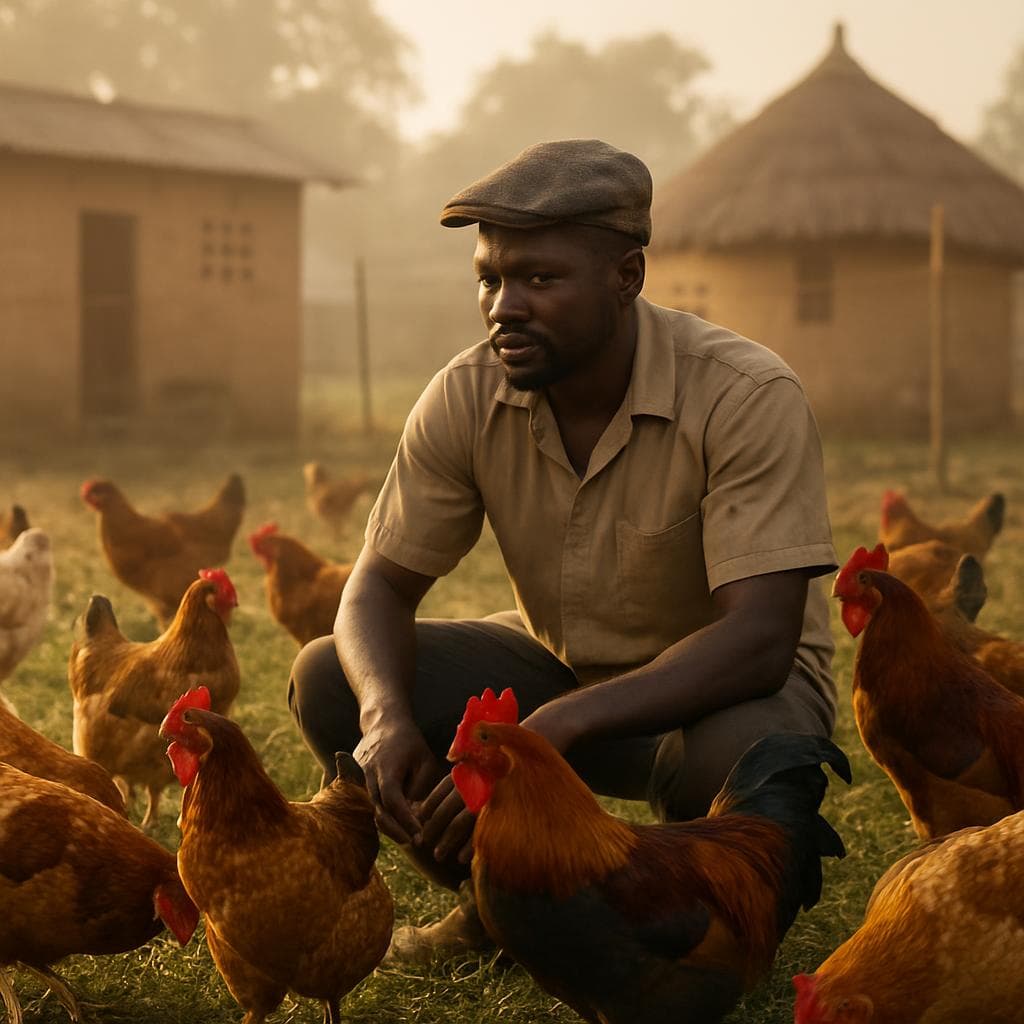
Poultry farming in Côte d'Ivoire faces many challenges, particularly regarding product quality and production autonomy. A recent initiative in Loire-Atlantique, which focuses on these two aspects, can serve as an example and inspiration for Ivorian farmers.
The trend towards autonomy in poultry production is increasingly recognised as a key success factor. For farmers, this means reducing dependence on external inputs, such as animal feed and medications. By growing their own feed and applying sustainable management practices, farmers can not only lower their costs but also ensure the quality of their production. This is particularly relevant in Côte d'Ivoire, where access to quality raw materials can sometimes be problematic.
At the same time, the emphasis on product quality is essential to meet the growing expectations of consumers. Farmers must ensure that their poultry and eggs meet high standards, both in terms of food safety and animal welfare. Consumers are increasingly concerned about the origin of their food and prefer products that guarantee a certain level of traceability. Thus, investing in responsible and transparent farming practices can not only strengthen consumer trust but also open up new market opportunities.
Ivorian farmers can also take advantage of new technologies to improve their production. The integration of poultry tracking and management systems can optimise performance, monitor animal health, and manage resources more effectively. For example, livestock management applications can help track poultry growth, manage feed stocks, and plan breeding cycles.
Finally, collaboration among farmers, suppliers, and industry stakeholders is crucial to foster innovation and the sharing of best practices. By creating networks for exchanging information and resources, farmers can benefit from collective expertise and strengthen their market position.
What this means for a farmer in Côte d'Ivoire
For a farmer in Côte d'Ivoire, the focus on autonomy and product quality means they must consider strategies to reduce their dependence on external inputs while improving the quality of their production. This may involve establishing animal feed crops, adopting animal welfare practices, and using technologies to optimise farm management. By adopting these approaches, farmers can not only improve their profitability but also meet the expectations of an increasingly demanding market.
--- *Source: Réussir Volailles — summary and analysis by NEXTEKCI.*