The recent halt of Brazilian meat imports by the European Union (EU), due to health concerns, could have significant repercussions on the poultry market in Côte d'Ivoire. Brazil, known for its massive poultry production, has expressed its concern over this decision, which could affect not only its exports but also the overall meat supply in the international market.
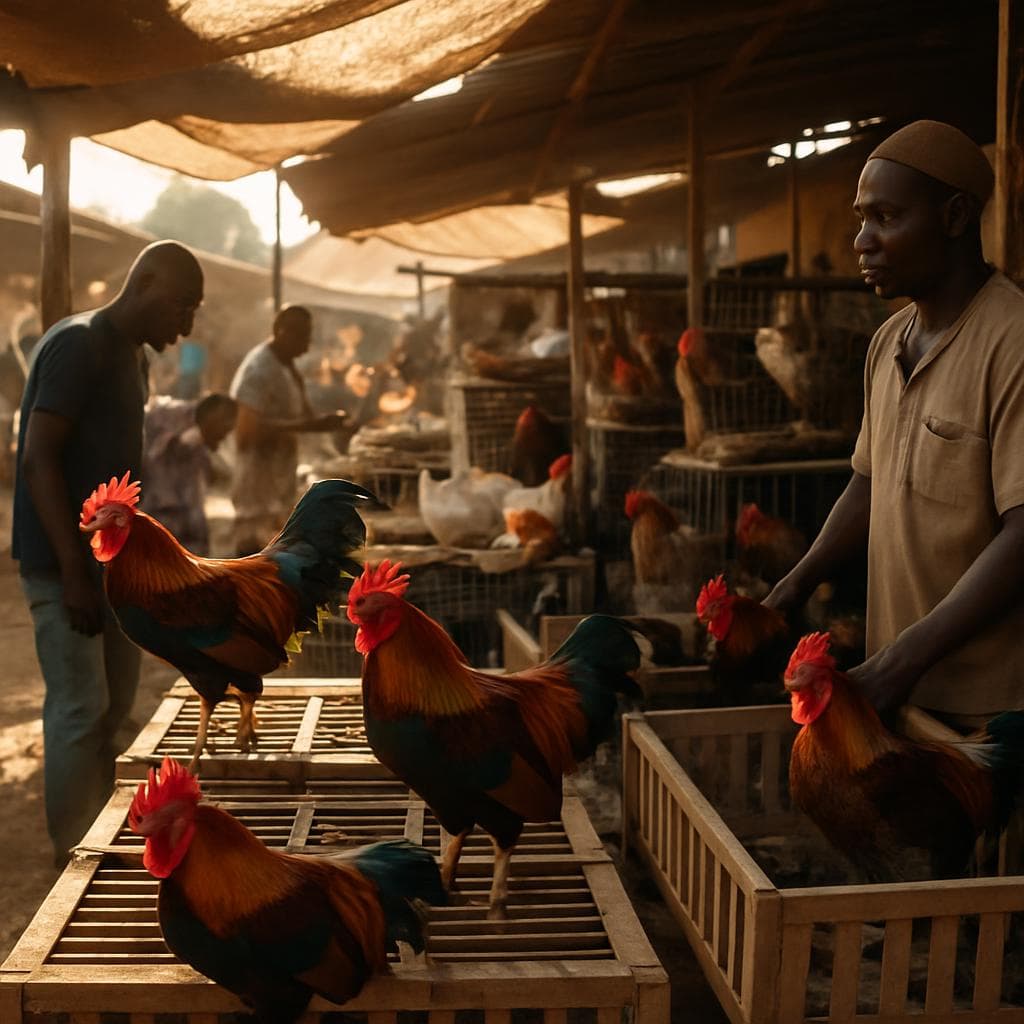
For Ivorian farmers, this situation presents both challenges and opportunities. Indeed, the suspension of imports may reduce competition in the local market, thus offering a window of opportunity for local producers. This could potentially allow Ivorian farmers to better capitalise on their production and meet the growing demand for poultry meat in the national market.
However, this situation also imposes increased vigilance regarding health standards. The concerns raised by the EU regarding health practices in Brazil remind Ivorian farmers of the importance of maintaining rigorous quality standards. Indeed, it is essential to ensure that poultry products meet health standards to prevent any risk of contamination and to safeguard public health.
Moreover, this EU decision could encourage farmers to diversify their sources of raw materials and equipment. Dependence on specific imports can prove risky, especially during periods of uncertainty in the international market. By exploring new local or regional sources, farmers can strengthen their resilience against market fluctuations.
It is also crucial for farmers to stay regularly informed about market developments and import regulations. Changes in international trade policy can have immediate repercussions on prices and the availability of poultry products. Joining information exchange networks and best practice initiatives can be beneficial for anticipating these developments.
In conclusion, the suspension of Brazilian meat imports by the EU represents a turning point for the Ivorian poultry market. Farmers must seize this opportunity to strengthen their local production while remaining vigilant about health standards. By diversifying their supplies and staying informed about market trends, they can not only ensure the quality of their products but also secure a prominent place in the national market.
--- *Source: Web-agri — summary and analysis by NEXTEKCI.*