
Managing extreme weather conditions, particularly heatwaves, has become a crucial issue for poultry farmers. Recently, a group of poultry farmers undertook a study trip to Catalonia, Spain, to observe how stakeholders in this region are facing these challenges. The lessons learned from this experience can be extremely beneficial for Ivorian farmers, especially in a context where the climate is becoming increasingly unpredictable.
In Catalonia, farmers have adopted several strategies to mitigate the effects of heat stress on their poultry. Among the practices observed, improving the layout of poultry houses stands out. It is essential to design infrastructures that promote air circulation and maintain an acceptable indoor temperature. The use of reflective materials for roofs, as well as the installation of effective ventilation systems, are some of the solutions implemented to create a more comfortable environment for the animals.
Another key method involves closely monitoring the temperature and humidity inside the buildings. Sensors can be installed to provide real-time data, allowing farmers to quickly and effectively adjust the rearing conditions. This not only helps to preserve the welfare of the poultry but also optimises their growth and productivity.
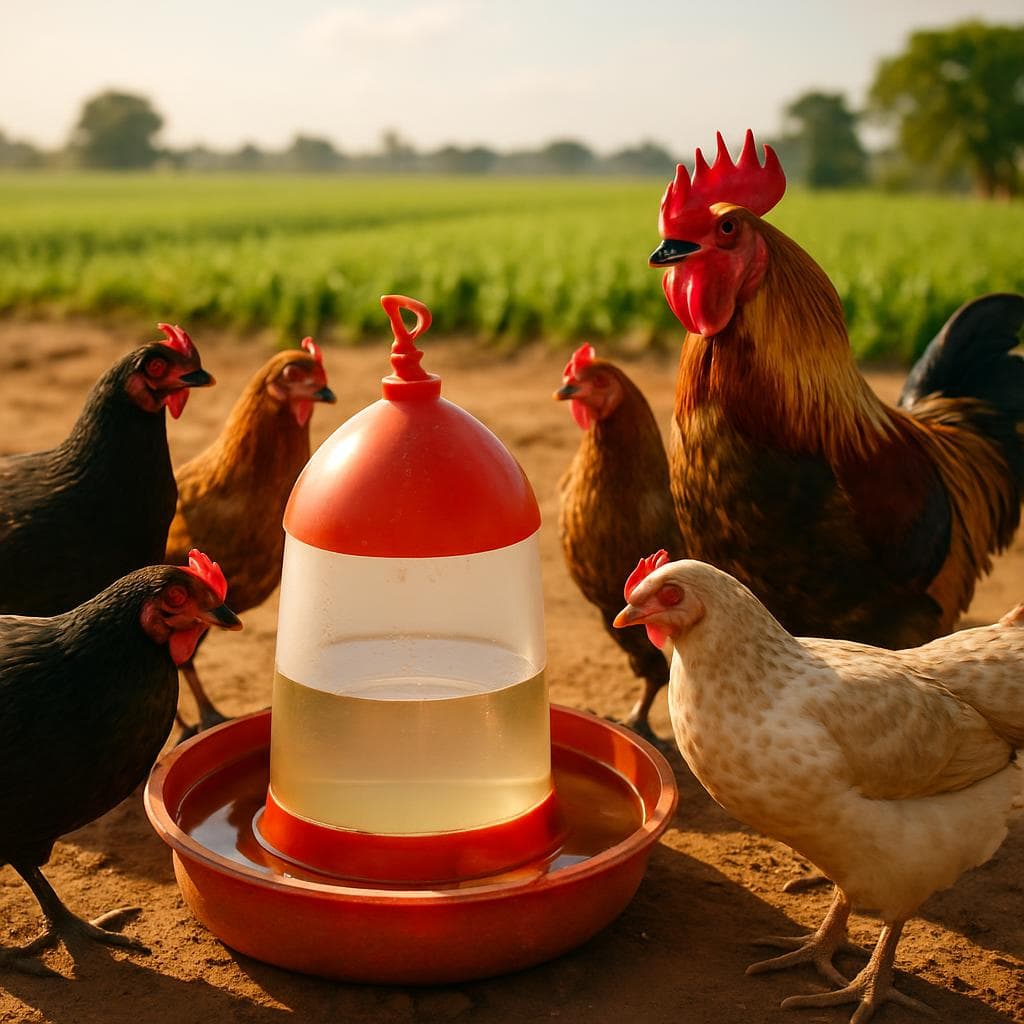
Hydration of poultry is also paramount during hot periods. Catalan farmers have established drinking systems that ensure constant access to fresh water. This is essential to prevent heat stress, which can have serious consequences on the health of the animals, even leading to mortality in extreme cases.
Furthermore, farmers have emphasised the importance of feeding. During hot periods, it is crucial to provide a balanced diet that supports the metabolism of the poultry without overloading them. Adjustments in the formulation of rations can help maintain the performance of the animals while minimising heat-related risks.
For Ivorian farmers, these practices offer concrete avenues to explore. By taking into account the climatic specifics of Côte d'Ivoire, it is possible to adapt these strategies to improve the resilience of their operations in the face of heatwaves. Investing in appropriate infrastructures, monitoring environmental conditions, and optimising feeding and hydration practices are essential steps to ensure the health and productivity of the poultry.
In conclusion, the experience of Catalan farmers in facing heat stress highlights practical and effective solutions. By integrating these lessons, farmers in Côte d'Ivoire can better prepare for climatic challenges, thus ensuring the sustainability of their poultry activities and the welfare of their animals.
--- *Source: Réussir Volailles — summary and analysis by NEXTEKCI.*