

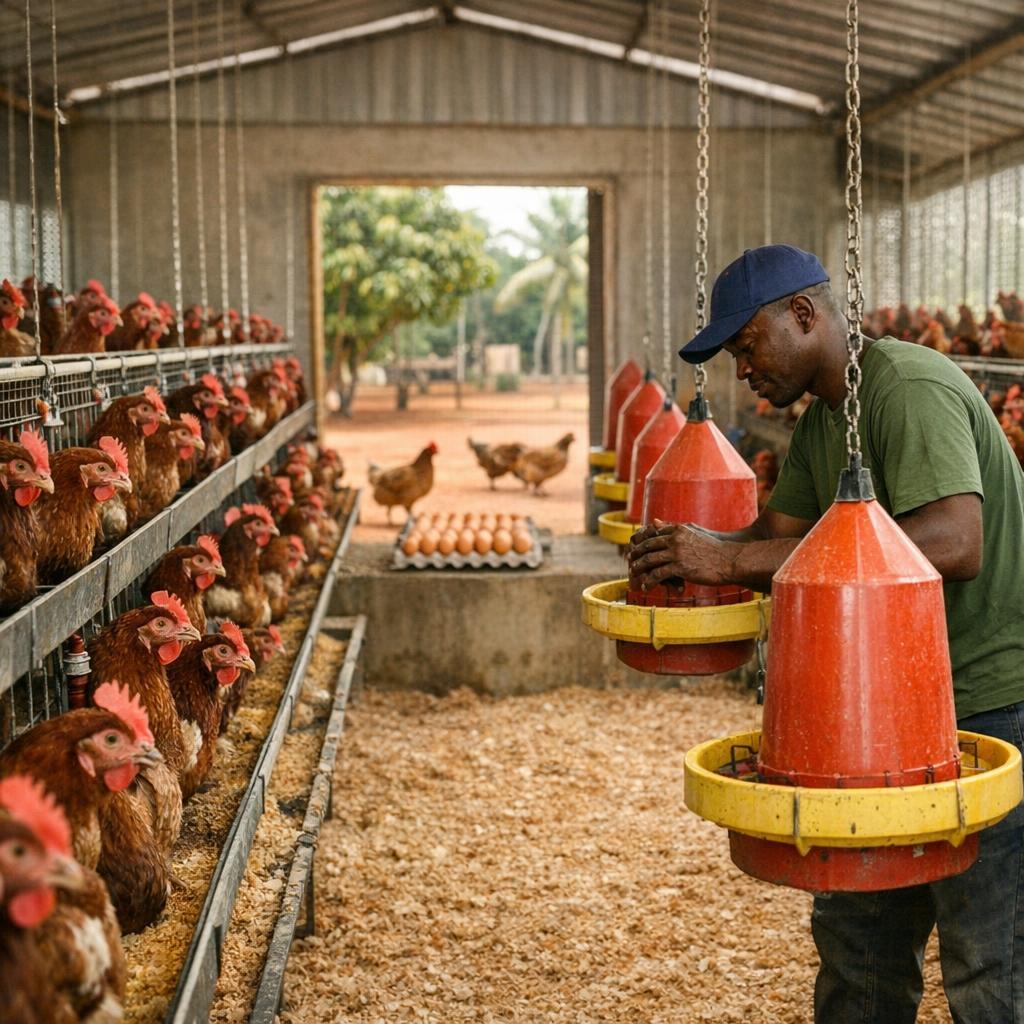
A market where several production methods coexist
In France, demand for eggs is strong, but products from cage-reared flocks continue to have a place on shop shelves. The growing interest in alternative systems therefore does not mean that all consumers have changed their habits at the same pace. Choices remain linked to several factors: product availability, shopping habits, information on packaging and household budgets.
This situation shows that a market can evolve without immediately shifting to a single model. Consumer expectations vary, and the supply chains have to accommodate them. For poultry farmers, the challenge is to know who they sell to, in what form and with what requirements for consistency.
Useful lessons, without applying them mechanically
The French context does not directly reflect that of Côte d'Ivoire. Eating habits, sales channels, rearing conditions and selection criteria can differ from one region to another. It would therefore be risky to conclude that a particular production method will become established here simply because it is gaining visibility elsewhere.
However, one idea can be applied: knowing your market better helps you make sounder decisions. Before changing a poultry farming system, a producer can talk to their regular buyers, shopkeepers and restaurateurs in their area. They can seek to understand the formats in demand, the periods when sales are more active, expectations regarding presentation and the regularity of supplies.
Differentiation can also be based on practical factors: an offer suited to retail outlets, organised collection, clean and properly graded eggs, as well as clear information about their origin and production method. Trust is built over time, through consistent quality and commitments that the poultry farmer can honour.
Observe before investing
Any change to the poultry house or poultry farming practices requires prior consideration. The available space, access to inputs, labour, animal welfare requirements and genuinely accessible markets must all be taken into account. Choices must also comply with applicable regulations and take account of advice from competent professionals.
A prudent approach is to gather feedback from several buyers, track sales over a representative period and compare demand across sales channels. These observations can guide gradual adaptation rather than a change made solely on the basis of a foreign trend.
In practical terms, for a poultry farmer in Côte d'Ivoire
First, identify the customers who buy your eggs and the criteria they prioritise. Then check whether a change in your production meets sustained local demand, rather than just a media trend. Finally, organise collection, grading and presentation consistently. The French experience is above all a reminder that there is no single choice for every market: the right strategy is the one that matches the expectations observed in your area and the resources of your farm.
--- *Source: Réussir Volailles — summary and analysis by NEXTEKCI.*