

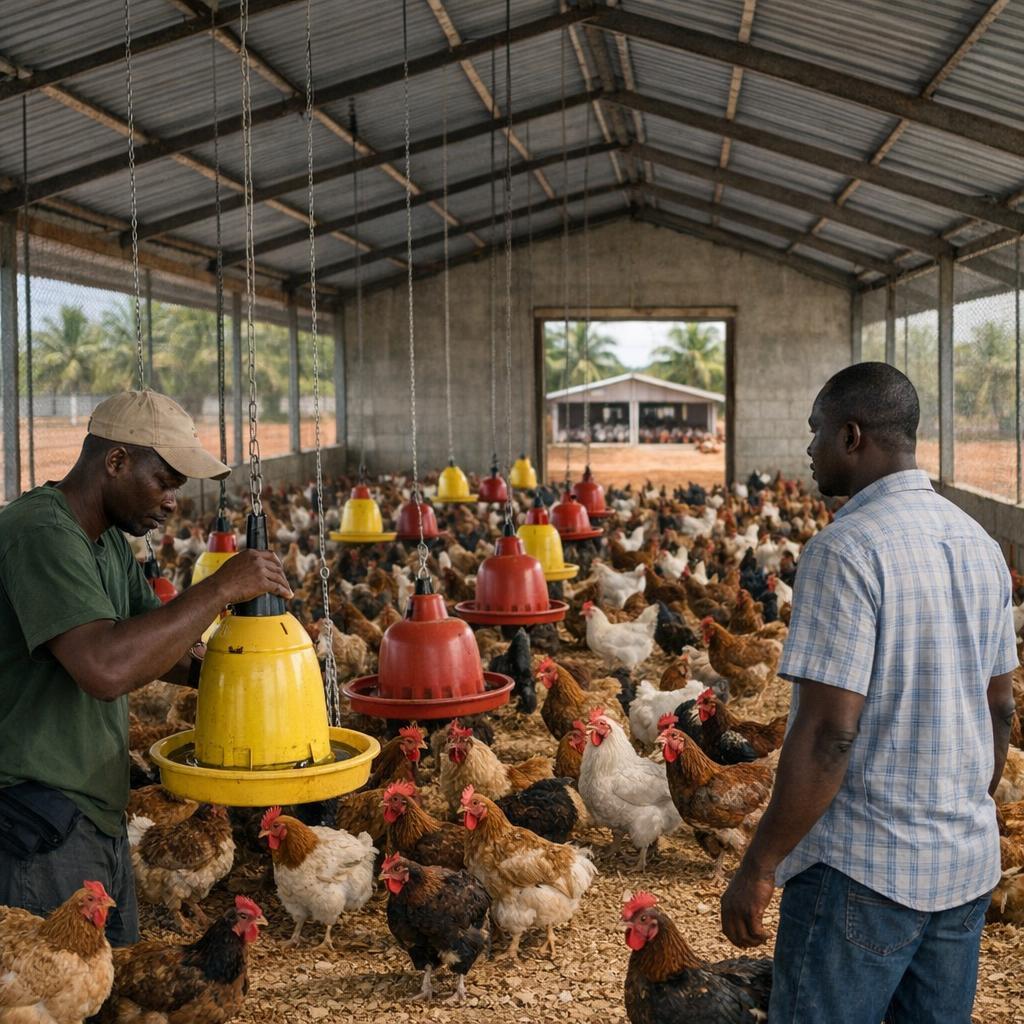
A development ambition facing realities on the ground
In France, rising chicken consumption is leading the poultry sector to consider building 2 800 new chicken houses by 2035. The goal reflects a desire to increase production capacity. However, not all projects are easy to bring to fruition: the news indicates that several are facing obstacles, although these are not detailed in the available summary.
For Ivorian poultry farmers, the point of this information is not to adopt a goal designed for another country. Contexts, markets and rules are not the same. Rather, it highlights a general reality: developing a poultry farming business does not simply mean building a poultry house or increasing the number of birds. It is necessary to check that every part of the project can work together over the long term.
Preparing your project before expanding
Before building or expanding a poultry farm, it is useful to assess demand in your area and the markets that are genuinely accessible. You should also examine access to water, ventilation, electricity, feed supplies and the availability of people able to carry out daily tasks. An installation that is poorly suited to local conditions can make work more difficult and undermine the consistency of production.
Biosecurity must be integrated from the site design stage. Providing a clear separation between clean areas and traffic zones, organising visitor checks, installing footbaths and planning the sanitary break helps to limit health risks. These measures are easier to implement when they are planned from the outset rather than added after operations begin.
The poultry farmer will also benefit from setting a realistic schedule: preparing the land, fitting out the buildings, organising supplies and ensuring equipment is available. Seeking advice from local professionals, particularly on veterinary and regulatory matters, helps identify constraints specific to the area at an early stage.
What this means in practice for a poultry farmer in Côte d'Ivoire
The lesson is simple: do not size your project solely according to your ambitions. Start with local demand, your management capacity and the resources available, then gradually increase production when the conditions are right. A written plan, regular site visits and monitoring results for each flock can help identify difficulties and adjust the organisation. If you notice signs of disease, seek advice from the local veterinarian. Well-planned growth is more robust than rushed expansion.
--- *Source: La France Agricole — summary and analysis by NEXTEKCI.*