
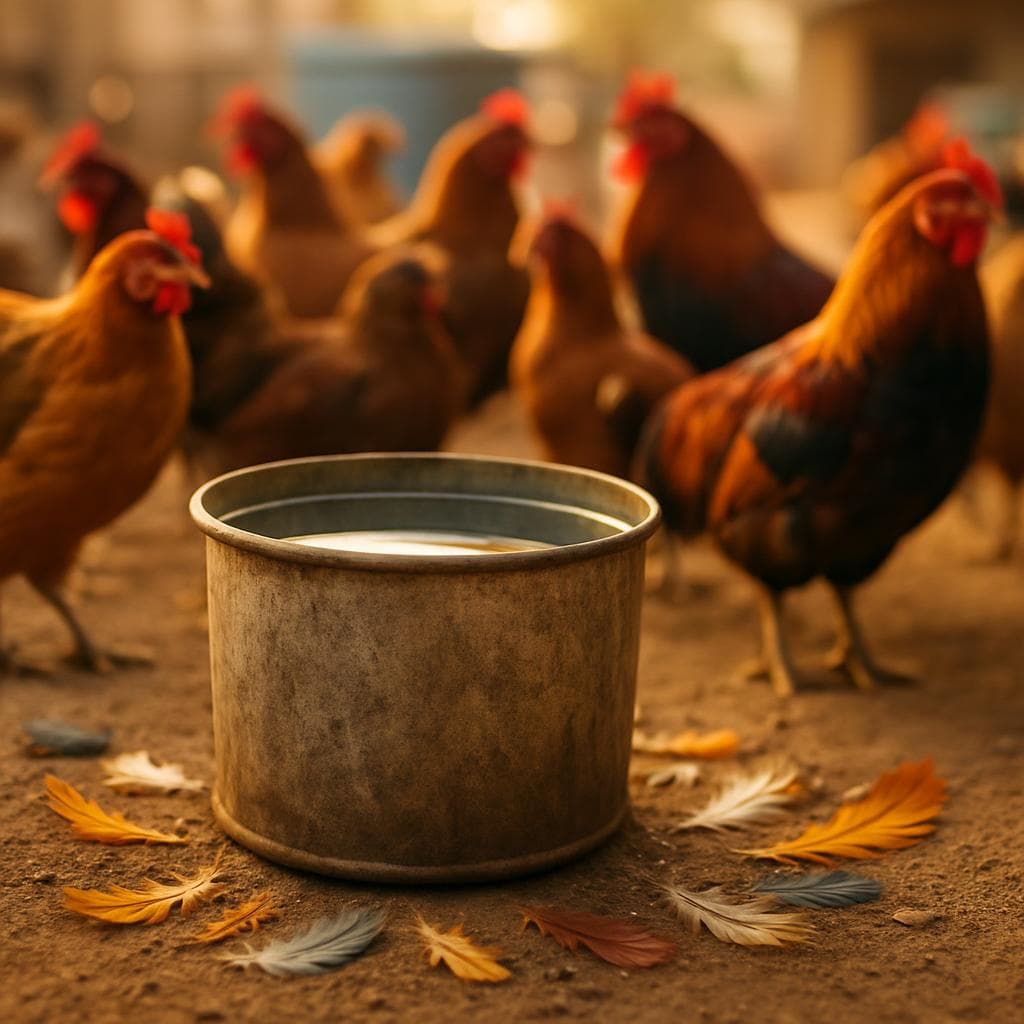
Newcastle disease, also known as avian pseudo-plague, is a highly contagious viral condition that primarily affects birds, particularly domestic poultry. In Côte d'Ivoire, where poultry farming is an important source of income, it is crucial for farmers to understand how to recognise, prevent, and react to this disease.
Recognising the symptoms
The symptoms of Newcastle disease can vary, but it is essential to remain vigilant. Among the most common clinical signs are:
- Respiratory problems: coughing, sneezing, difficulty breathing.
- Neurological signs: tremors, abnormal movements, paralysis.
- Decreased egg production: layers may reduce their production or even stop laying.
- Diarrhoea: often watery and may contain blood.
- Sudden death: in some cases, birds may die without prior signs.
It is important to note that these symptoms may also be associated with other avian diseases. A precise diagnosis by a veterinarian is therefore recommended.
Preventing the disease
Prevention is the best strategy to protect your flock against Newcastle disease. Here are some practical tips:
- Vaccination: Ensure that your poultry are properly vaccinated against Newcastle disease. Consult a veterinarian to establish a vaccination schedule suitable for your farm.
- Hygiene: Maintain a clean and disinfected environment. Regularly clean facilities, equipment, and drinkers to reduce the risk of contamination.
- Visitor control: Limit access to your farm and impose strict hygiene measures on visitors.
- Quarantine: Quarantine new birds before introducing them to your flock to prevent the spread of diseases.
- Monitoring: Regularly observe your poultry for any changes in behaviour or health. Early detection can save your farm.
Reacting in case of infection
If you suspect an infection with Newcastle disease, it is crucial to act quickly:
- Isolation: Immediately isolate sick birds to prevent the spread of the virus.
- Consult a veterinarian: Contact an animal health professional for diagnosis and treatment recommendations.
- Inform the authorities: In case of confirmation of the disease, inform the relevant authorities so they can take necessary measures to contain the outbreak.
- Avoid selling or moving birds: Do not sell your sick poultry and avoid moving them until the situation is under control.
Conclusion
Newcastle disease poses a significant risk to poultry farmers in Côte d'Ivoire. By recognising the symptoms, adopting effective preventive measures, and acting quickly in case of infection, you can protect your farm and ensure the profitability of your business. Remember to stay informed and regularly consult professionals to maintain the health of your poultry.
--- *Source: NEXTEKCI — In-house expertise — summary and analysis by NEXTEKCI.*