
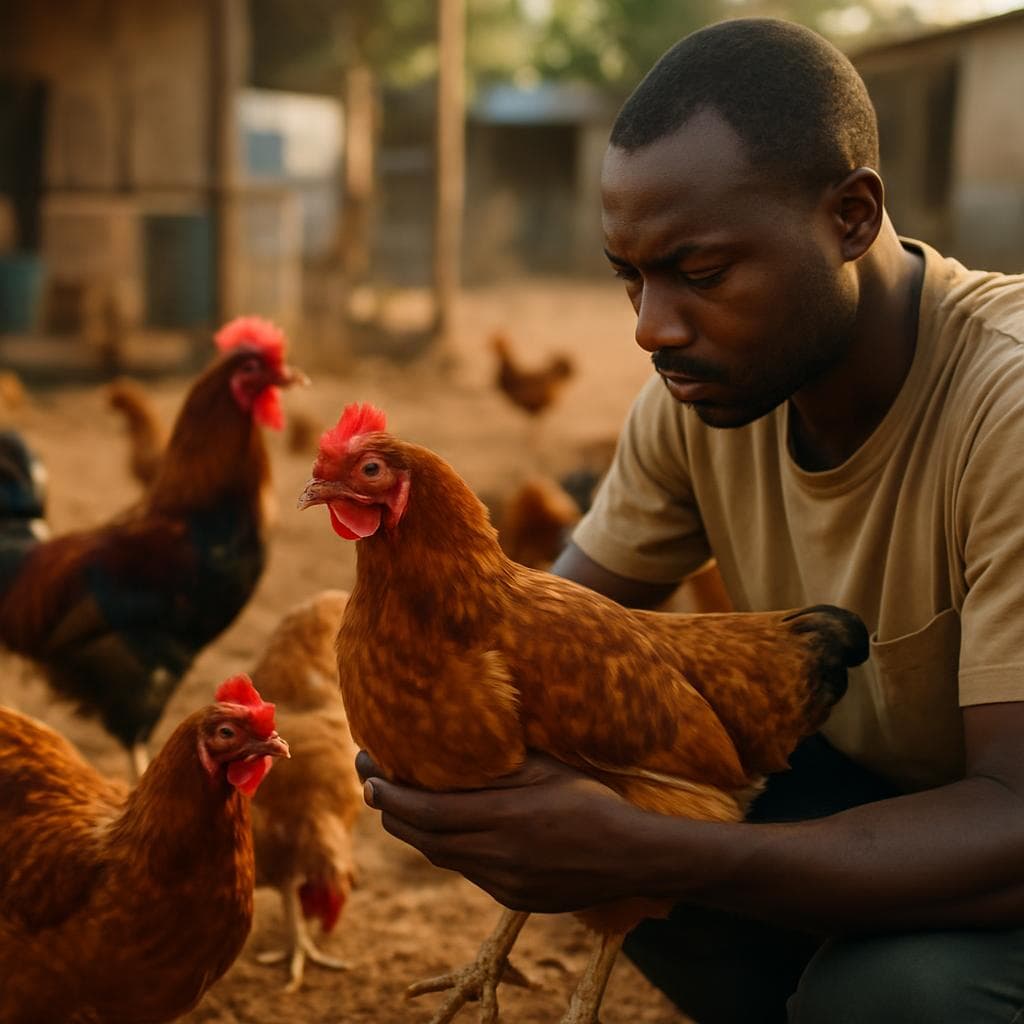
Newcastle disease, also known as avian pseudo-plague, is a viral infection that primarily affects birds, especially poultry. It can lead to significant economic losses for farmers due to the high mortality it can cause. It is therefore essential to know the clinical signs, prevention methods, and measures to take in case of suspected infection.
Recognising the disease
The symptoms of Newcastle disease can vary depending on the virulence of the virus. Among the most common clinical signs are:
- Respiratory problems: coughing, sneezing, difficulty breathing.
- Nervous disorders: tremors, paralysis, disordered movements.
- General condition alteration: decreased appetite, ruffled feathers, depression.
- Diarrhoea: liquid and coloured droppings may be observed.
- Mortality: in severe cases, mortality can reach alarming rates in flocks.
It is crucial to act quickly if you observe these signs in your poultry.
Preventing the disease
Prevention is the best strategy to protect your flock from Newcastle disease. Here are some practical tips:
- Vaccination: Ensure that your poultry are properly vaccinated against Newcastle disease. Vaccination programmes should be tailored to the age and type of poultry.
- Hygiene: Maintain good hygiene in your farm. Regularly clean the facilities, equipment, and drinkers to reduce the risk of contamination.
- Movement control: Limit the movement of birds between farms and avoid contact with unvaccinated poultry.
- Health monitoring: Conduct regular health checks on your poultry and be attentive to any changes in behaviour or physical condition.
- Training: Educate yourself and train on best farming and biosecurity practices.
Reacting in case of suspicion
If you suspect an infection of Newcastle disease in your farm, it is imperative to act quickly:
- Isolation: Immediately isolate sick birds to prevent the spread of the virus.
- Veterinary consultation: Contact a veterinarian for an accurate diagnosis and advice on measures to take.
- Report to authorities: Inform local health authorities, especially if you have doubts about the disease. This can help contain a potential outbreak.
Conclusion
Newcastle disease poses a significant risk to poultry farmers in Côte d'Ivoire. By adopting rigorous preventive measures and remaining vigilant to clinical signs, you can protect your flock. Do not wait to act: educate yourself, vaccinate your poultry, and ensure you adhere to good hygiene practices. If in doubt, do not hesitate to consult a veterinarian for advice tailored to your situation.
--- *Source: NEXTEKCI — In-house expertise — summary and analysis by NEXTEKCI.*