
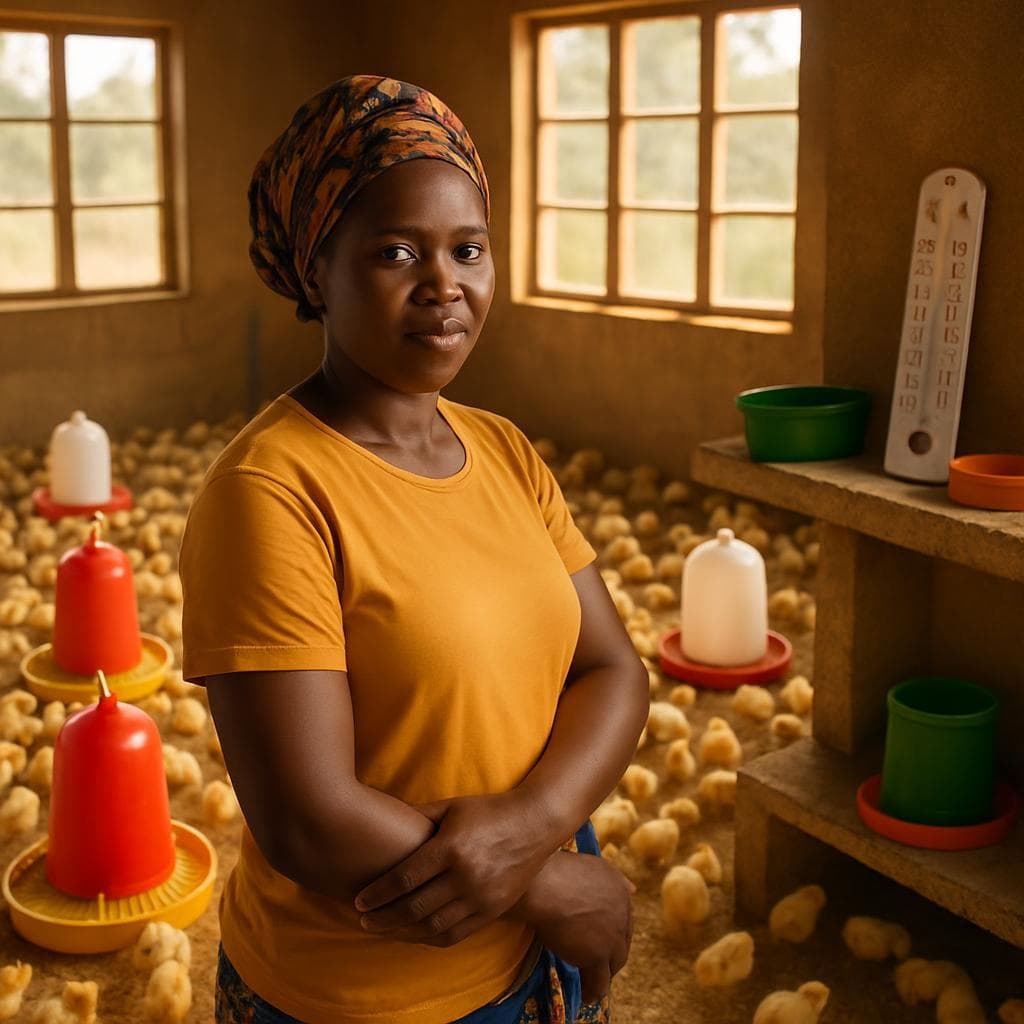
The first week of a chick's life is crucial for its development and survival. Unfortunately, it is also a period when mortality can be high. Understanding the causes of this mortality and implementing appropriate solutions is essential for every poultry farmer in Côte d'Ivoire.
Causes of chick mortality
- Inappropriate environmental conditions: Chicks are very sensitive to temperature fluctuations. A temperature that is too low can lead to hypothermia, while a temperature that is too high can cause heat stress. It is therefore fundamental to maintain a stable temperature in the poultry house, generally around 32 to 35°C for the first few days.
- Nutritional problems: Inadequate feeding can have fatal consequences for chicks. The first hours of life are crucial, and it is recommended to provide high-quality starter feed, rich in protein and essential nutrients. Ensure that chicks have access to clean, fresh water as soon as they arrive.
- Diseases and infections: Chicks can be vulnerable to various diseases, including bacterial and viral infections. It is therefore vital to ensure good biosecurity in the hatchery. This includes regular cleaning of equipment, disinfecting surfaces, and isolating newcomers.
- Stress and excessive handling: Stress from excessive handling or a noisy environment can also cause mortality issues. Limit interventions on the first day of life and ensure that the environment remains calm and serene.
Solutions to reduce mortality
- Temperature monitoring: Use thermometers to monitor the temperature of your building. Appropriate heating can be installed to maintain the necessary warmth, especially during cool nights.
- Adequate feeding: Invest in quality feeds specifically formulated for chicks. Ensure that feed is available at all times, avoiding stock shortages.
- Implementation of biosecurity protocols: Establish strict rules regarding the entry and exit of people and equipment in your rearing space. Preventive vaccination may also be considered based on veterinary recommendations.
- Training and awareness: Educate yourself and your employees on best farming practices. Training on handling chicks and managing rearing conditions can make a significant difference.
Conclusion
The first week of a chick's life is decisive for its future. As farmers, it is our responsibility to create an environment conducive to their development. By closely monitoring rearing conditions, providing quality feed, and applying rigorous biosecurity measures, we can significantly reduce chick mortality. Commit today to implementing these tips to ensure the health and productivity of your farm.
--- *Source: NEXTEKCI — In-house expertise — summary and analysis by NEXTEKCI.*