
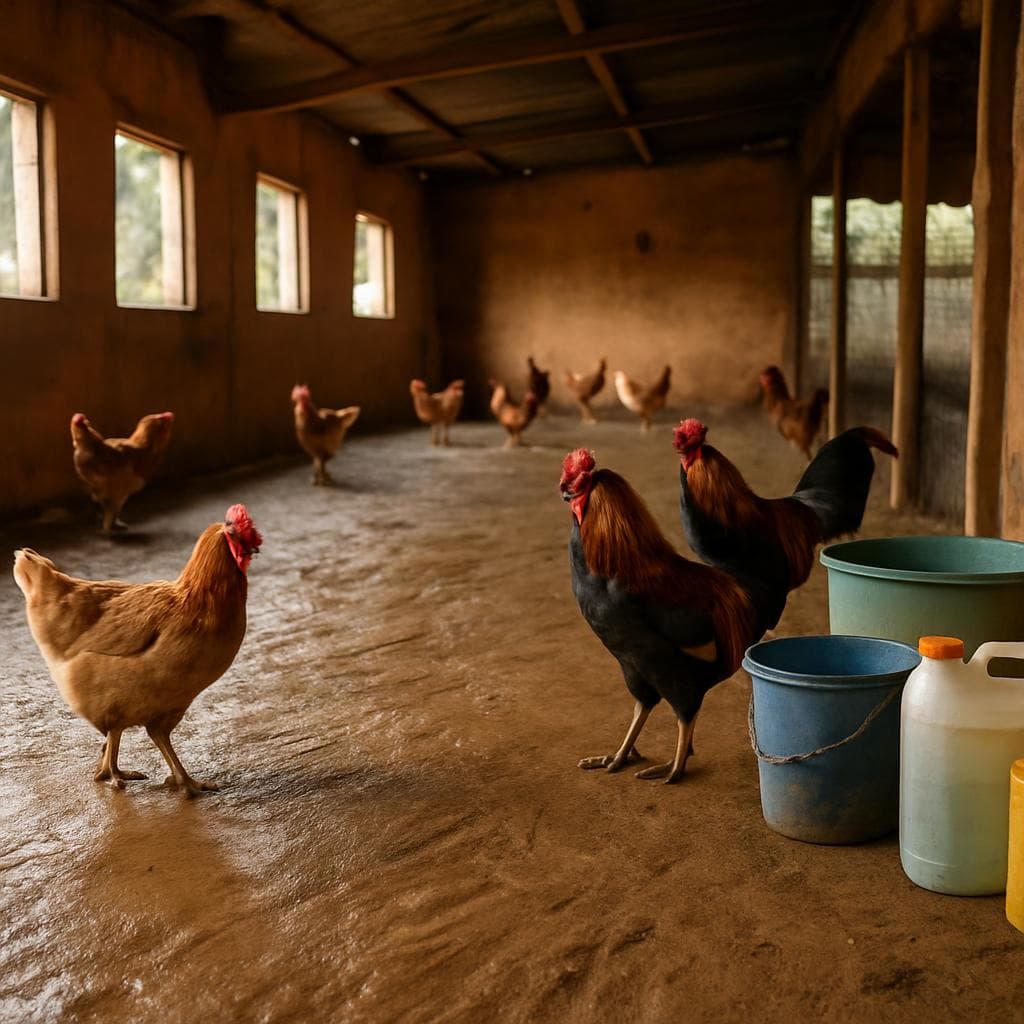
The sanitary break is an essential practice in poultry farming, allowing for the reduction of disease risks and ensuring a healthy environment for new flocks of poultry. In Côte d'Ivoire, where climatic conditions can favour the proliferation of pathogens, it is imperative to master this step well.
Duration of the sanitary break
The duration of the sanitary break depends on several factors, including the population density of the previous flock and the diseases present in the farm. In general, a sanitary break of at least two to three weeks is recommended. This allows for breaking the cycle of disease transmission and preparing the environment for the arrival of new poultry. During this period, it is crucial to monitor environmental conditions and ensure that the building is well-ventilated.
Cleaning
Cleaning is the first step of the sanitary break. It involves removing all waste, used litter, and unnecessary equipment. Here are some practical steps for effective cleaning:
- Removal of debris: Remove all litter, food scraps, and droppings. Use appropriate tools to facilitate this task.
- Brushing: Brush surfaces, walls, and equipment to eliminate stuck residues.
- Vacuuming: If possible, use an industrial vacuum cleaner to remove dust and small particles.
Disinfection
After cleaning, disinfection is crucial to eliminate remaining pathogens. Here are the steps to follow:
- Choice of disinfectant: Select an effective disinfectant against avian pathogens. Ensure that it is suitable for use in poultry environments.
- Application: Apply the disinfectant to all surfaces, including walls, floors, equipment, and ventilation systems. Be sure to follow the recommended doses by the manufacturer.
- Contact time: Allow the disinfectant to act for the recommended time to ensure its effectiveness. This may vary depending on the product used.
- Rinsing: In some cases, it may be necessary to rinse surfaces after disinfection, especially if the product used may be irritating to the poultry.
Complementary practices
It is also advisable to check and maintain ventilation and heating equipment during the sanitary break. This ensures that, upon the arrival of new poultry, the environment will be optimal for their well-being. Furthermore, implementing strict biosecurity measures from the outset helps to prevent the introduction of diseases into your farm.
Conclusion
For poultry farmers in Côte d'Ivoire, adhering to sanitary break protocols is essential to ensure the health of your animals and the profitability of your activity. Take the necessary time to clean and disinfect your facilities before introducing a new flock. By following these tips, you will contribute to creating an environment conducive to the growth and productivity of your poultry. Do not hesitate to inquire about available products and consult experts to optimise your farming practices.
--- *Source: NEXTEKCI — In-house expertise — summary and analysis by NEXTEKCI.*