
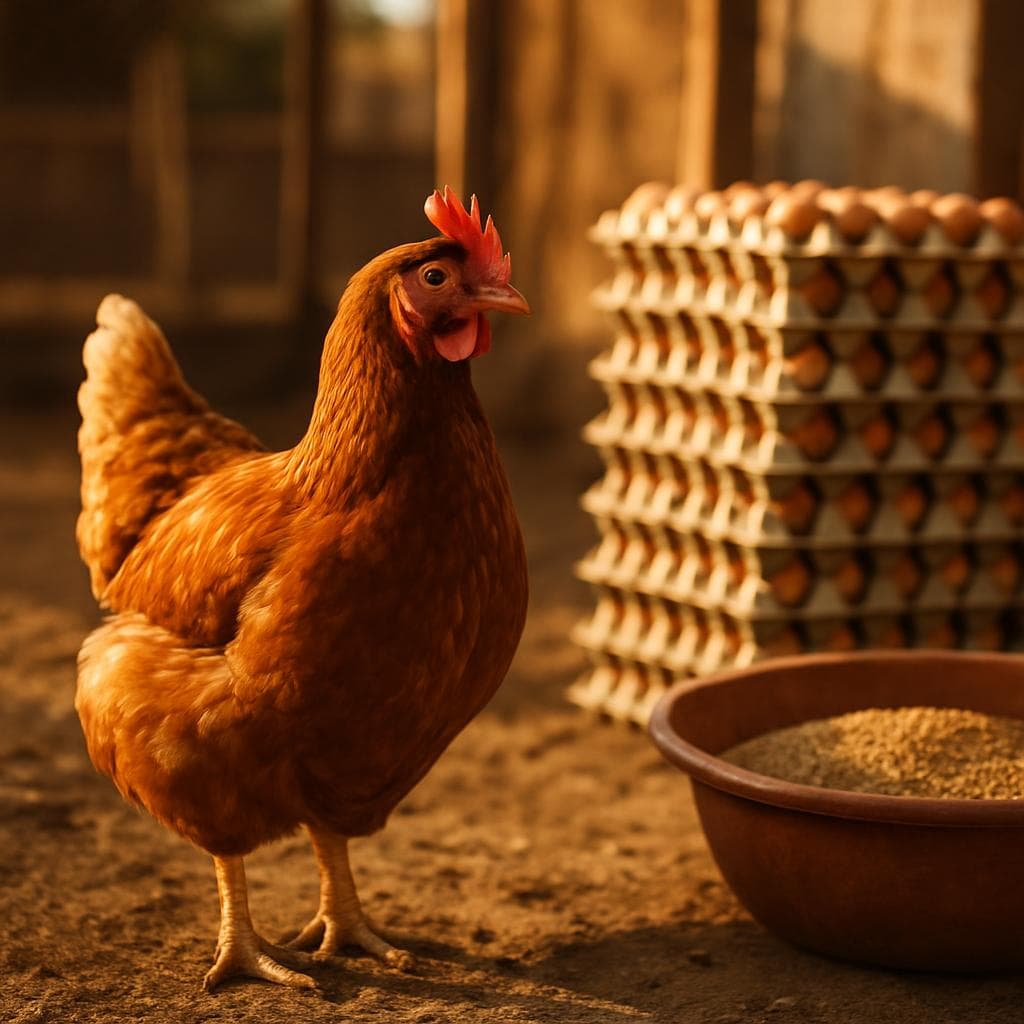
Vaccination of laying hens is a fundamental step in poultry farming, allowing for the prevention of numerous diseases that can affect the health of the birds and, consequently, their egg production. In this article, we will detail the vaccination programme for laying hens, from their day of birth until their entry into laying.
Day 1 to Day 7: The first vaccinations
From their birth, chicks must be protected against certain diseases. It is recommended to start with vaccination against Marek from the very first day. This viral disease is highly contagious and can lead to significant losses.
From Day 7, it is advisable to vaccinate against Gumboro (Gumboro disease), which affects the immune system of the birds. This vaccination is crucial to ensure good resistance to future infections. Ensure that the vaccines are administered by a veterinarian or a qualified technician to guarantee their effectiveness.
Day 14: Vaccination against infectious bronchitis
Around Day 14, vaccination against infectious bronchitis is essential. This respiratory disease can lead to growth and production problems. Vaccination prevents respiratory complications and promotes healthy development of the hens.
Day 21: Vaccination against avian coryza
At three weeks, it is recommended to vaccinate against avian coryza, a bacterial infection that can cause weight loss and reduce egg production. This vaccination helps maintain the overall health of the flock.
Day 28: Second dose of Gumboro
A second dose of vaccine against Gumboro disease is administered at four weeks. This reinforces the immunity acquired during the first vaccination and ensures continued protection against this disease.
Day 35: Vaccination against Newcastle disease
At five weeks, vaccination against Newcastle disease is paramount. This viral disease is very serious and can cause massive losses in your farm. Effective vaccination at this stage is crucial for the health of the birds.
Day 42: Preparation for the start of laying
As the start of laying approaches, it is advisable to carry out a booster vaccination against the most common diseases, including infectious bronchitis and Newcastle disease. This ensures that the hens are protected at the time they begin to produce eggs.
Conclusion
A rigorous vaccination programme is essential to ensure the health and productivity of your laying hens. By following this vaccination schedule, you minimise the risks of diseases and optimise the profitability of your farming. Do not forget to consult a veterinarian to adapt this programme to your specific situation and obtain advice on the available vaccines. Act now to protect your flock and ensure quality egg production in Côte d'Ivoire.
--- *Source: NEXTEKCI — In-house expertise — summary and analysis by NEXTEKCI.*