
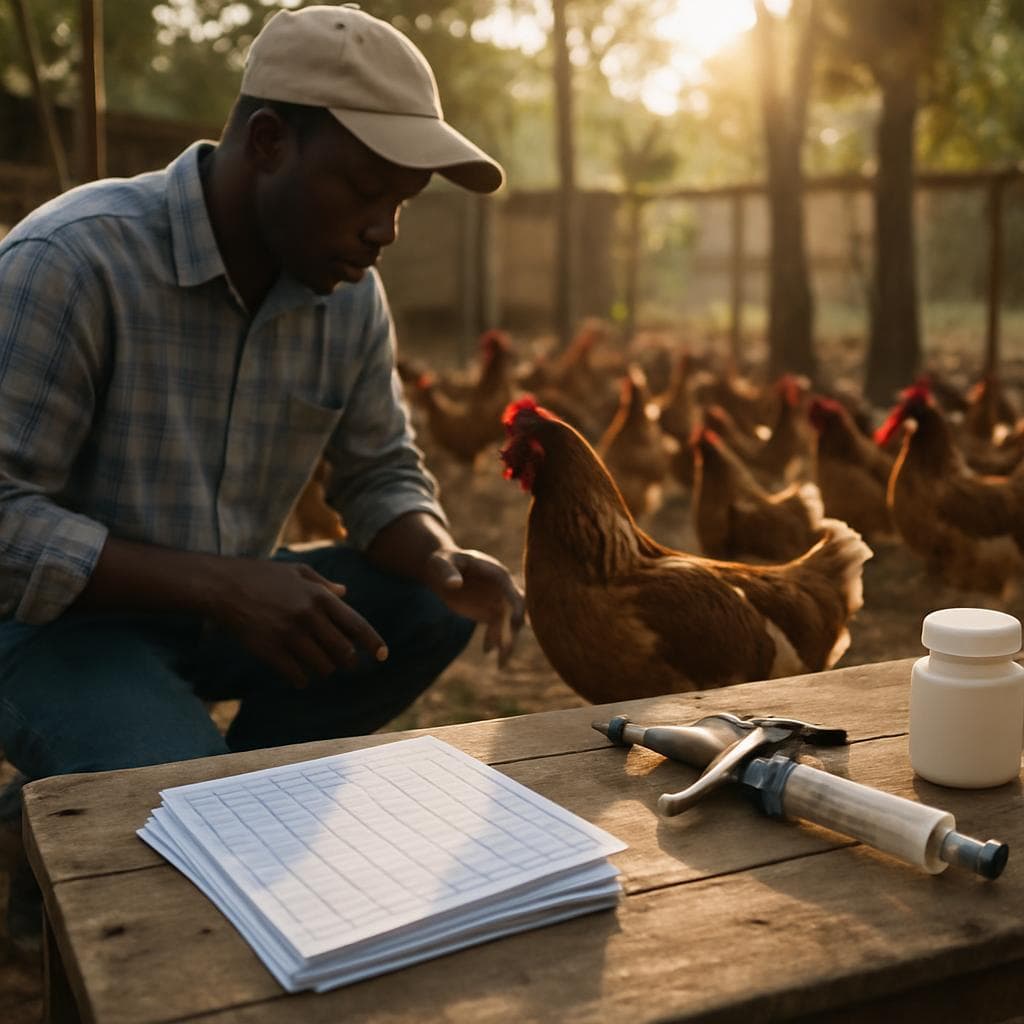
Gumboro disease, also known as infection with the infectious bursal disease virus (IBDV), is a viral condition that primarily affects young poultry, particularly chicks aged 3 to 6 weeks. This disease can cause significant losses in farms, making prevention all the more crucial for Ivorian poultry farmers.
Why is Gumboro disease dangerous?
The Gumboro virus attacks the immune system of young birds, particularly the cells of the bursa of Fabricius, an essential organ for the development of antibodies. When the immune system is compromised, birds become vulnerable to other infections and diseases, which can lead to high mortality rates. Symptoms include a decrease in appetite, depression, diarrhoea, and, in severe cases, rapid death of the subjects.
Modes of transmission
The Gumboro virus spreads primarily via the faecal-oral route. Infected birds excrete the virus in their droppings, which can contaminate the environment, water, and feed. It is also possible for the virus to be transmitted through contaminated equipment, clothing, or shoes.
Preventive measures to adopt
- Vaccination: Vaccination is the most effective method to prevent Gumboro disease. It is recommended to vaccinate chicks as early as 3 weeks of age, following an appropriate vaccination programme. Consult your veterinarian to determine the most suitable vaccine for your farm.
- Hygiene and biosecurity: Maintaining good hygiene is essential to prevent the spread of the virus. Regularly clean the facilities, disinfect the equipment, and limit access to unauthorised persons. Ensure that water and feed are always clean and uncontaminated.
- Health monitoring: Closely observe your poultry for any signs of disease. Early detection allows for quick action and limits the spread of infection. If in doubt, do not hesitate to consult a veterinarian.
- Stress management: Stress can weaken the immune system of birds, making them more susceptible to infections. Ensure that your poultry benefit from a calm environment, a balanced diet, and access to clean water.
- Training and awareness: Stay informed about the latest developments in avian health and best farming practices. Participating in training or workshops can help you better understand Gumboro disease and implement effective preventive measures.
Conclusion
Gumboro disease poses a major risk to young poultry in Côte d'Ivoire. By adopting preventive measures such as vaccination, rigorous hygiene, and health monitoring, you can protect your farm and reduce losses. Take concrete actions today to strengthen the health of your poultry and ensure the profitability of your poultry farming activity. Stay vigilant and do not hesitate to seek advice from professionals to ensure the health of your flock.
--- *Source: NEXTEKCI — In-house expertise — summary and analysis by NEXTEKCI.*