
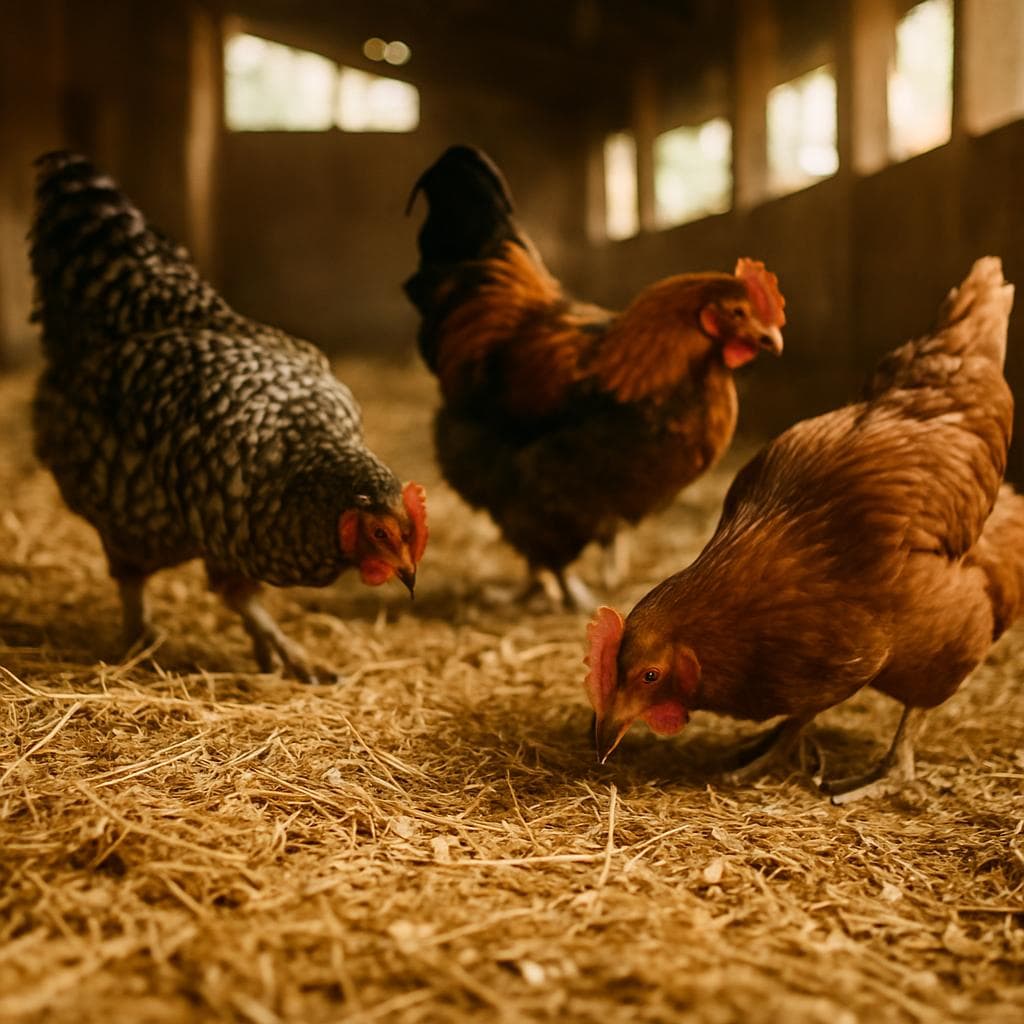
The litter in the chicken coop plays a crucial role in the health and welfare of poultry. In Côte d'Ivoire, the choice of materials, their thickness, and regular maintenance are aspects to be seriously considered to optimise rearing conditions.
Materials available in Côte d'Ivoire
Several types of materials can be used for chicken coop litter. Here are some of the most common:
- Palm nut shells: This material is often available and inexpensive. Palm nut shells are absorbent and help control moisture, which is essential in a tropical climate like that of Côte d'Ivoire.
- Straw: Straw is another popular choice. It is also absorbent and provides good thermal insulation. However, it is important to ensure that it is clean and free from mould.
- Sand: Sand can be used, especially in outdoor chicken coops. It allows for good drainage and helps prevent diseases. However, it must be renewed regularly to avoid the accumulation of waste.
- Wood shavings: Although less common, wood shavings can also be used. They are light and absorbent, but be sure to use untreated shavings to avoid health risks.
Thickness of the litter
The thickness of the litter is a determining factor for its effectiveness. In general, a thickness of 10 to 15 centimetres is recommended. This thickness allows for the absorption of droppings and maintains a dry environment. Litter that is too thin can lead to moisture accumulation, thus promoting the development of bacteria and diseases. Conversely, litter that is too thick can make cleaning more difficult.
Maintenance of the litter
Regular maintenance of the litter is essential to ensure the health of the poultry. Here are some practical tips:
- Regular cleaning: It is recommended to remove droppings and soiled parts of the litter every day. This helps prevent odours and reduces the risk of diseases.
- Partial renewal: In addition to daily cleaning, a partial renewal of the litter should be carried out each week. This involves adding new litter to maintain the recommended thickness.
- Disinfection: From time to time, it is necessary to disinfect the chicken coop. This can be done after a rearing cycle or when signs of diseases appear. Use appropriate disinfectants and follow the recommendations to ensure effectiveness.
- Moisture monitoring: In a humid climate, it is crucial to monitor the moisture in the chicken coop. Adequate ventilation can help maintain a dry and healthy environment.
Conclusion
As a poultry farmer in Côte d'Ivoire, it is essential to pay particular attention to the litter in your chicken coop. Choosing the right materials, adhering to the recommended thickness, and regularly maintaining the litter are key actions to ensure the health of your poultry and optimise your production. Do not hesitate to put these tips into practice and adjust your approach according to the specifics of your farming.
--- *Source: NEXTEKCI — In-house expertise — summary and analysis by NEXTEKCI.*