
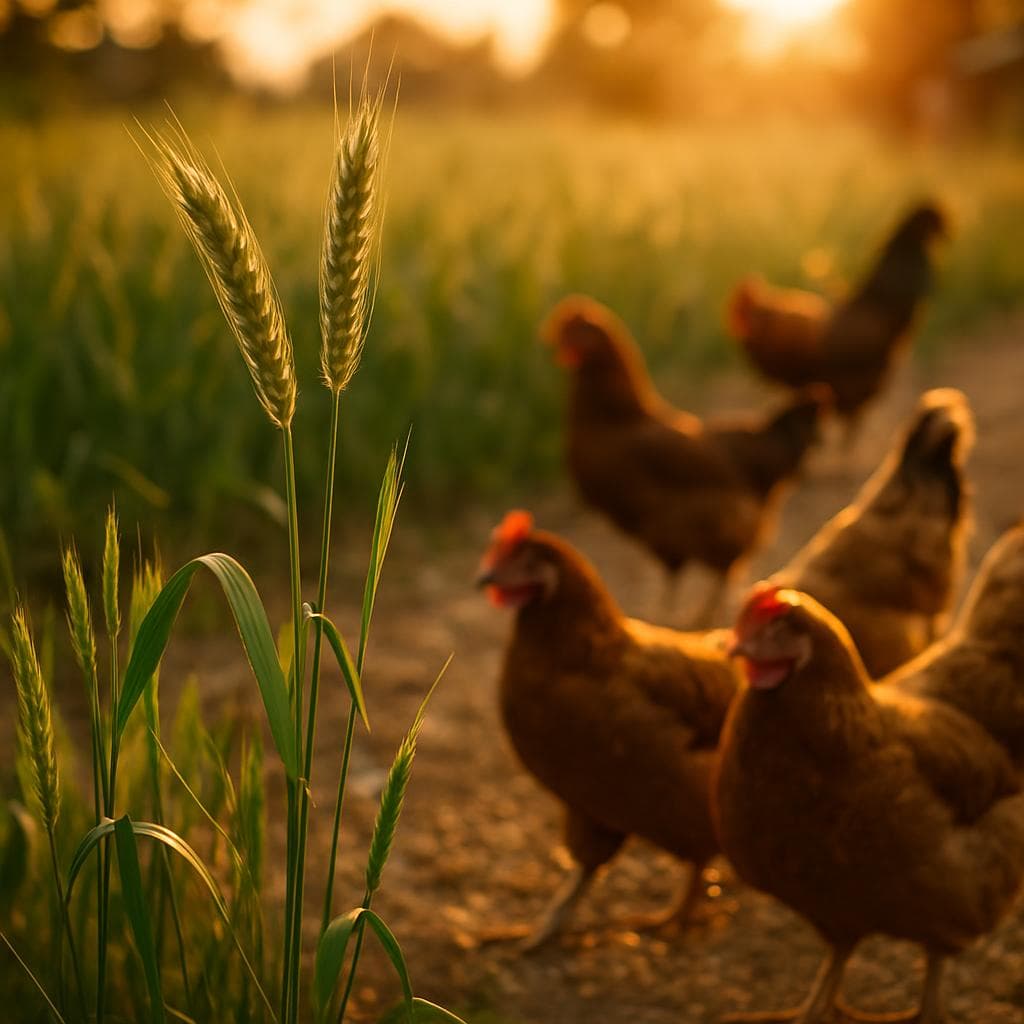
Decarbonisation of agricultural production has become a central topic in the debate on the future of sustainable agriculture. Poultry farmers, who heavily rely on cereals as a staple feed, need to pay attention to this issue, as it could influence their activities on several levels.
A cereal farmer-poultry producer in France, engaged in this approach, has highlighted the importance of reducing the carbon footprint of his crops. This initiative aims to make agricultural production more environmentally friendly by adopting practices that minimise greenhouse gas emissions. For poultry farmers in Côte d'Ivoire, this raises crucial questions about feed supply and the agricultural practices to adopt.
Cereals, particularly maize and sorghum, are essential components in poultry diets. The quality and availability of these raw materials directly influence the health of the animals and, consequently, the profitability of the farming. By integrating decarbonisation practices into cereal production, farmers can not only contribute to environmental protection but also potentially improve the quality of their harvests.
Among the decarbonisation methods are the use of conservation tillage techniques, crop rotation, and the application of organic fertilisers. These practices can help maintain soil fertility while reducing the need for chemical inputs. For farmers, this means access to better quality feed, which can translate into better growth and health of the poultry.
However, this transition to more sustainable practices requires an investment of time and resources. Farmers must be willing to educate themselves and adapt to new farming methods. This may involve training, sharing experiences with other farmers, or even collaborating with researchers to test innovative approaches.
Finally, it is essential to keep in mind that animal feed prices can fluctuate based on the availability of cereals and the agricultural practices adopted. Farmers must therefore remain attentive to market trends and innovations in sustainable agriculture. Current feed prices are communicated via WhatsApp, allowing farmers to stay informed about daily prices.
In conclusion, the decarbonisation of cereal production represents a major challenge for poultry farmers in Côte d'Ivoire. By adopting sustainable agricultural practices, they can not only contribute to environmental preservation but also improve the quality of their poultry production. Farmers must therefore prepare for this transition, which could be beneficial both economically and ecologically.
--- *Source: La France Agricole — summary and analysis by NEXTEKCI.*