
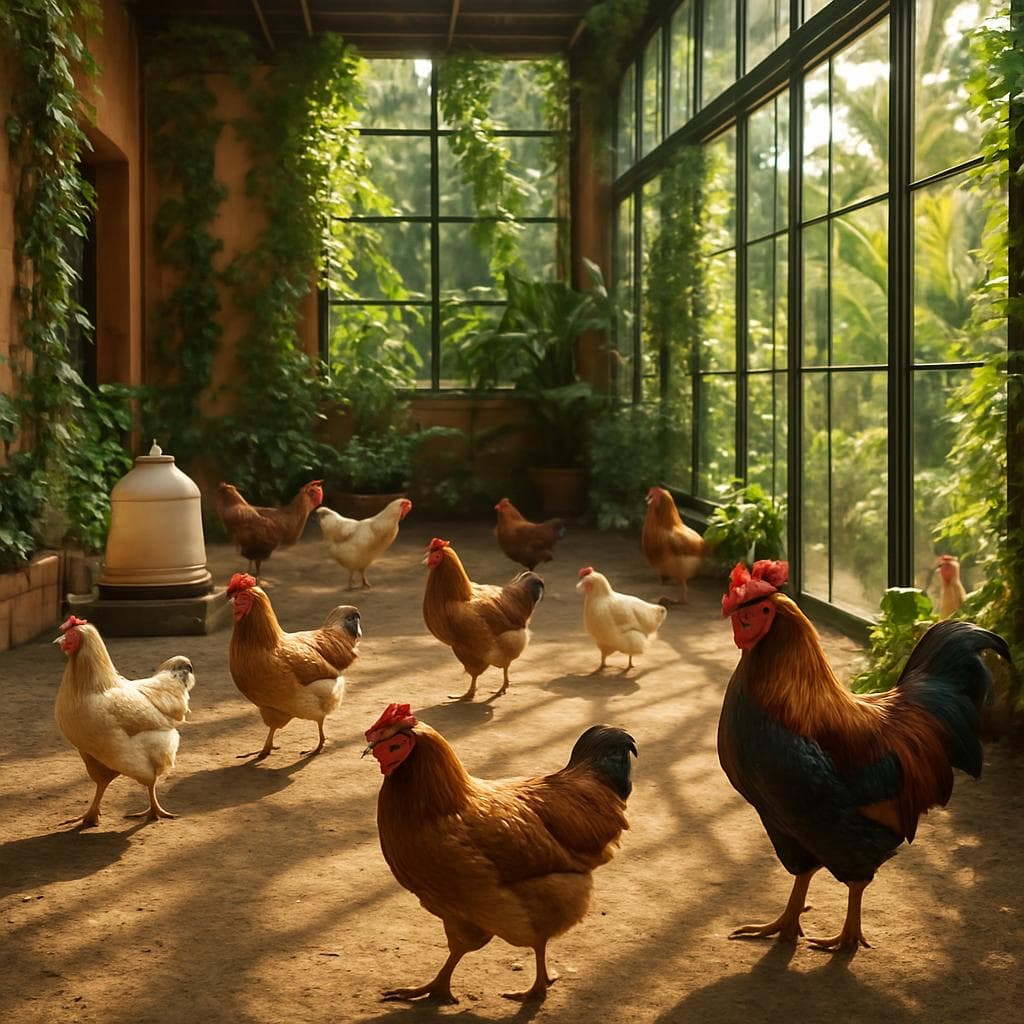
In the poultry sector, innovation is essential for improving farming conditions and optimising productivity. Recently, the idea of integrating winter gardens into poultry buildings has sparked growing interest. This trend, which involves creating green and bright spaces inside the facilities, presents several advantages that could benefit Ivorian farmers.
Firstly, winter gardens help to reduce stocking density in buildings. By providing additional spaces, they promote better welfare for the poultry. The animals, having more space to move, can express natural behaviours, which is essential for their physical and mental health. This can also help to reduce stress, a factor often linked to health issues in poultry.
Another notable advantage of winter gardens is the provision of natural light. Light plays a crucial role in the development of poultry, influencing their growth and production. Adequate exposure to light can improve egg quality and chick growth, which is vital for farmers looking to maximise their yield. Furthermore, natural light can also reduce artificial lighting costs, which is an important consideration in managing operating expenses.
By integrating natural elements into the buildings, farmers can also enhance their facilities. A more pleasant environment can not only improve the quality of life for the poultry but also strengthen the image of the farm with clients and partners. This can be a significant asset in a market that is increasingly sensitive to sustainable practices and animal welfare.
However, it is important for farmers to carefully plan the implementation of such arrangements. The design of winter gardens must take into account local climatic specifics and the needs of the poultry. Good ventilation, access to water, and appropriate space management are essential to ensure the success of this initiative.
In summary, the integration of winter gardens into poultry buildings represents an interesting opportunity for farmers in Côte d'Ivoire. It could not only improve animal welfare and productivity but also enhance the farms. For farmers, it is crucial to gather information and assess the possibilities of adopting this innovative approach, while considering the technical and economic constraints of their operations. Ultimately, this trend could mark a step towards more sustainable and responsible poultry farming in the country.
--- *Source: La France Agricole — summary and analysis by NEXTEKCI.*