The recent revision of the directive on industrial emissions, known as the IED directive, raises questions among poultry farmers. Although this directive is primarily focused on reducing pollutant emissions from industrial facilities, it could also affect the poultry sector, particularly large-scale operations.
To determine if your farm will be affected, it is essential to understand the application criteria of this directive. In general, poultry operations that exceed a certain production capacity threshold may be subject to stricter regulations. This means that farmers managing large facilities will likely have to comply with more rigorous environmental standards.
The IED directive aims to reduce the environmental impact of industrial activities by imposing limits on greenhouse gas emissions and other pollutants. For farmers, this could mean the need to adopt more sustainable practices, such as optimising waste management, reducing energy consumption, and improving animal welfare. These changes may incur additional costs, but they can also pave the way for opportunities for innovation and modernisation of farming practices.
Another important point to consider is the timeline for implementing the new rules. Farmers need to prepare for these changes, as they could come into effect within a relatively short period. It is therefore advisable to stay informed about regulatory developments and to start considering adaptations in farming practices as soon as possible.
Finally, the consequences of this directive may vary depending on the size and type of farm. Smaller operations may not be directly affected, while larger ones will likely need to invest in cleaner technologies and more sustainable production methods. This could also influence competitiveness in the local and international market, as consumers become increasingly sensitive to the environmental practices of producers.
What does this mean concretely for a farmer in Côte d'Ivoire?
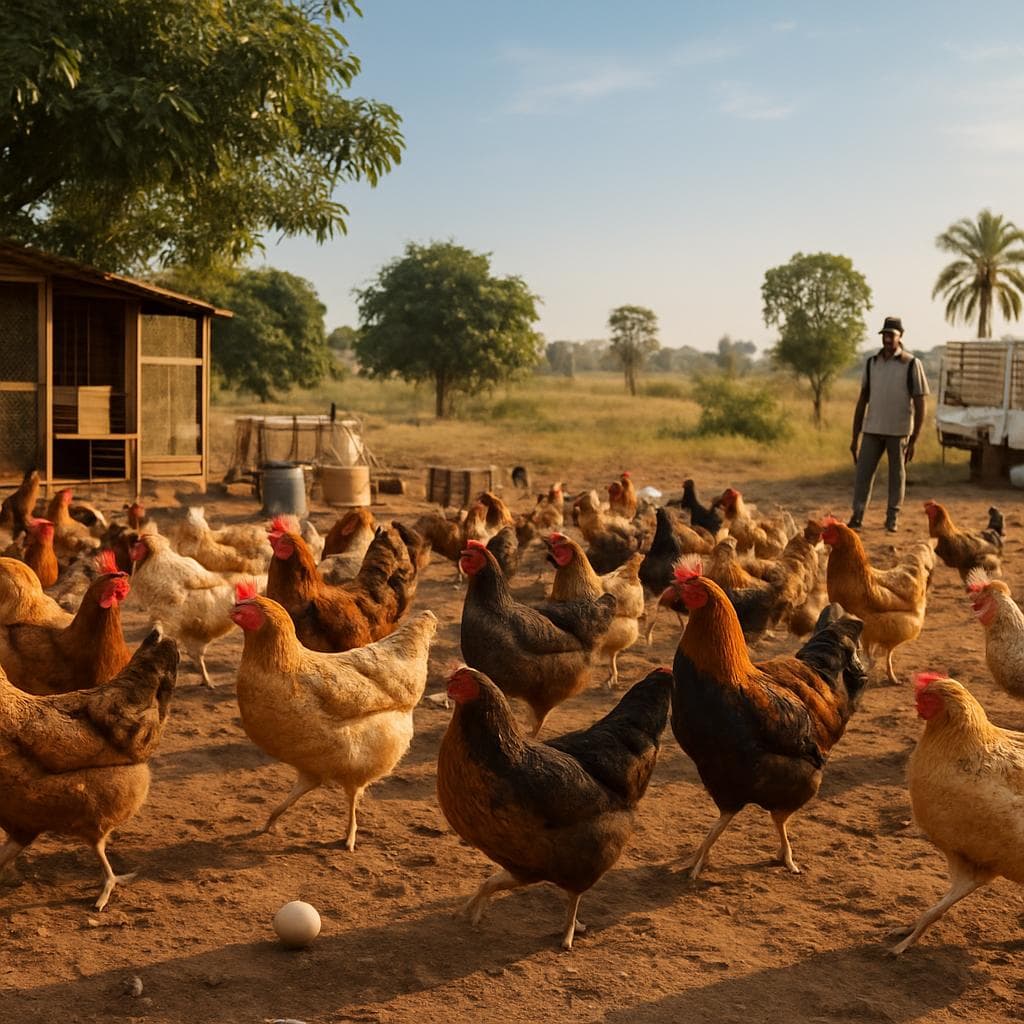
For a poultry farmer in Côte d'Ivoire, the revision of the IED directive could mean the need to adapt their farming methods to meet new regulatory requirements. This may involve investments in more eco-friendly equipment, better waste management, and the implementation of sustainable practices. It is crucial to stay informed about these developments and to assess how these changes may affect the profitability and viability of the poultry operation. By anticipating these developments, farmers can not only comply with the new rules but also position themselves favourably in the market by adopting environmentally friendly practices.
--- *Source: Réussir Volailles — summary and analysis by NEXTEKCI.*