
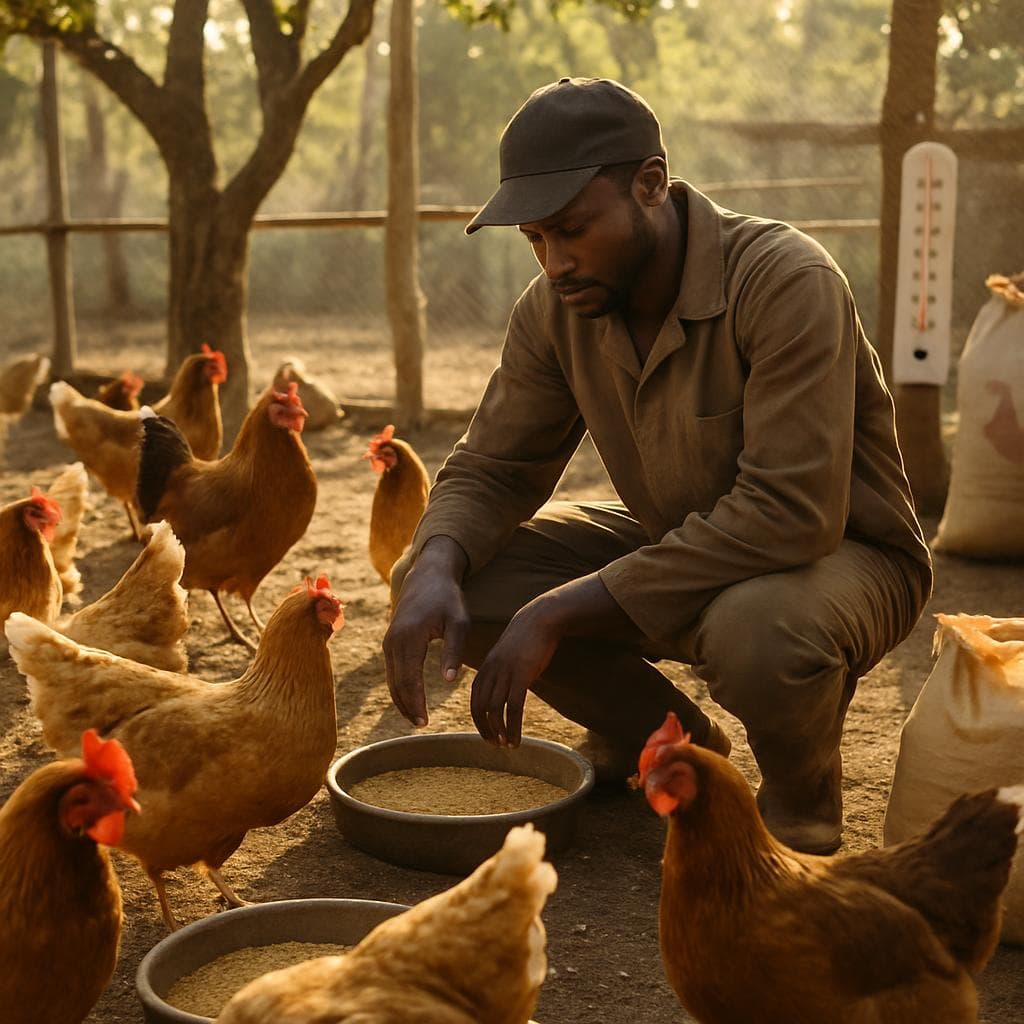
Coccidiosis is a parasitic disease caused by protozoa of the genus Eimeria, which primarily infect the intestines of poultry. In Côte d'Ivoire, this condition is particularly concerning for poultry farmers, as it can lead to significant losses in terms of growth and profitability. In this article, we will discuss the means of prevention and treatment of coccidiosis to help farmers protect their flock.
Understanding coccidiosis
Coccidia multiply rapidly under favourable conditions, particularly in humid and overcrowded environments. Symptoms of coccidiosis may include diarrhoea, loss of appetite, dehydration, and in severe cases, mortality. It is crucial to detect the early signs in order to implement corrective measures quickly.
Prevention of coccidiosis
- Hygiene and disinfection: Maintain a clean environment by regularly cleaning shelters and equipment. Disinfecting the living areas of poultry is essential to reduce the parasitic load. Use appropriate disinfectant products and follow the manufacturers' recommendations.
- Management of farming: Avoid overcrowding. Sufficient space per animal reduces stress and decreases the transmission of parasites. Also, plan for rotation of flocks between different buildings to limit the spread of coccidia.
- Feeding: Provide a balanced and quality diet to strengthen the immune system of the poultry. The addition of natural additives, such as certain plant extracts, can also help in preventing infections.
- Regular monitoring: Conduct regular health checks on your poultry. Observe feeding behaviours and signs of illness. Faecal examinations can also help detect the presence of coccidia.
Treatment of coccidiosis
If coccidiosis is diagnosed, it is essential to act quickly. Here are some steps to follow:
- Veterinary consultation: Consult a veterinarian for an accurate diagnosis and appropriate treatment recommendations. They may prescribe anticoccidial medications, which are often effective in treating the infection.
- Isolation of sick animals: Isolate infected poultry to prevent the spread of the disease to the rest of the flock. This will also allow for better management of their treatment.
- Hydration and nutrition: Ensure that sick poultry have access to clean water and nutritious feed to aid their recovery. Adding vitamins and electrolytes to the water can help support their health.
Conclusion
Coccidiosis poses a major challenge for poultry farmers in Côte d'Ivoire, but with adequate preventive measures and prompt treatment, it is possible to protect your flock and your margins. Stay vigilant and do not hesitate to seek advice from professionals to ensure the health of your poultry. By acting proactively, you can secure your production and improve the profitability of your farming.
--- *Source: NEXTEKCI — In-house expertise — summary and analysis by NEXTEKCI.*