
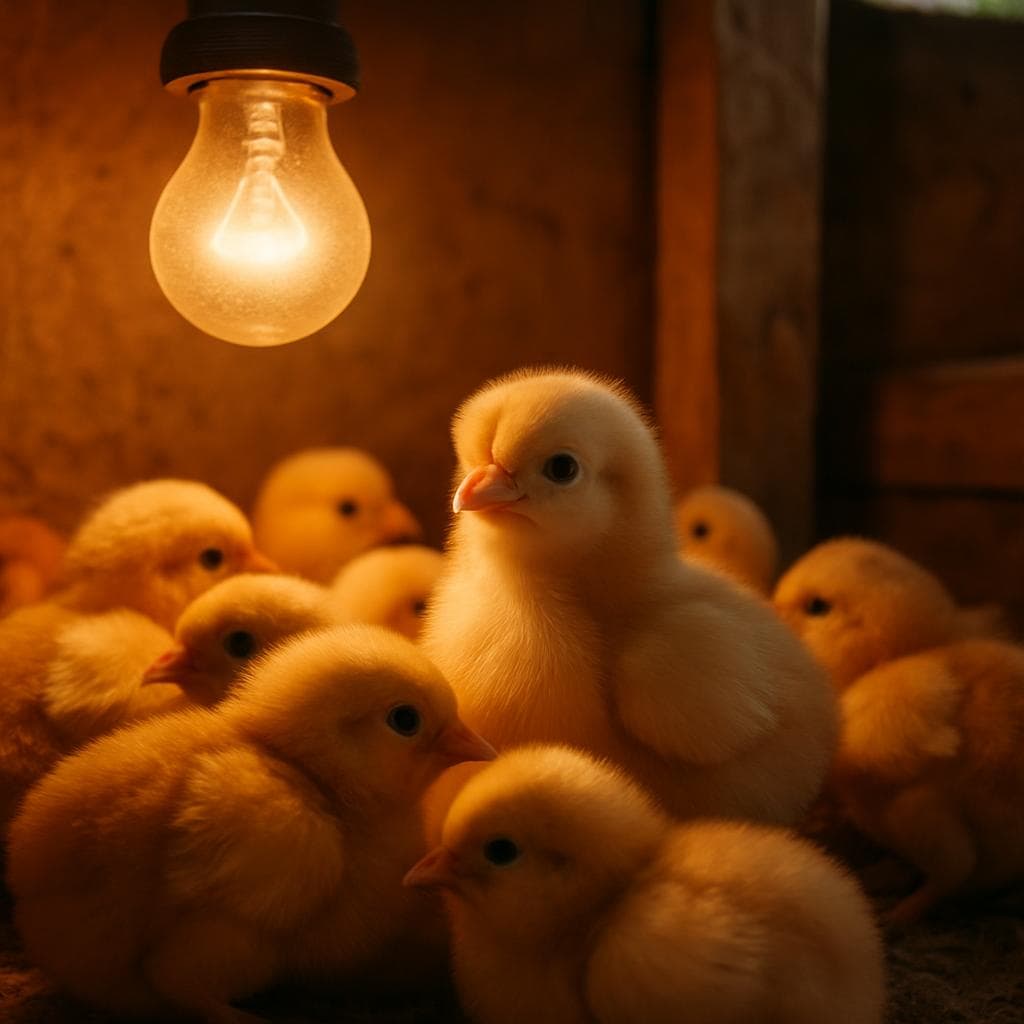
The first hours of a chick's life are decisive for its growth and survival. Good preparation and appropriate care can make all the difference. Here are the key steps to follow to ensure a good start for your day-old chicks.
1. Preparing the environment
Before the arrival of the chicks, it is essential to prepare their environment. The temperature should be maintained between 32 and 35 °C for day-old chicks. Use heat lamps or suitable heaters to reach this temperature. Also, ensure that the floor is clean and dry, and that the shelters are well-ventilated to avoid excessive humidity.
2. Feeding
Upon arrival, it is crucial to provide quality feed. The chicks should have access to a special starter feed, rich in protein (20-24%) and vitamins. Plan for about 100 g of food per chick for the first three days. Water should also be fresh and clean, accessible at all times. Consider adding electrolytes to the water to help the chicks rehydrate after transport.
3. Managing stress
Transport can be stressful for the chicks. To minimise this stress, avoid handling them too often in the first hours. Allow them to acclimatise to their new environment. You can also play soft music to create a calm atmosphere. Ensure that the chicks have enough space to move around without feeling cramped.
4. Observation and monitoring
The first 72 hours are also the ideal time to observe the behaviour of the chicks. Check that they are feeding and hydrating properly. A chick that remains isolated or does not eat may be a sign of a problem. It is recommended to perform regular checks every two hours to ensure their well-being.
5. Vaccination
Depending on local health recommendations, consider vaccinating your chicks in the days following their arrival. This may include vaccines against Marek's disease or infectious bronchitis. Consult a veterinarian to establish a vaccination schedule suitable for your farm.
Conclusion
The first 72 hours after receiving your chicks are crucial for their development. By carefully preparing their environment, providing quality feed, minimising stress, and monitoring their behaviour, you maximise their chances of survival and growth. Don’t wait to put these tips into practice and ensure that your chicks start their lives in the best possible conditions. As a poultry farmer in Côte d'Ivoire, your attention to detail from the outset can make all the difference for the success of your farming.
--- *Source: NEXTEKCI — In-house expertise — summary and analysis by NEXTEKCI.*