
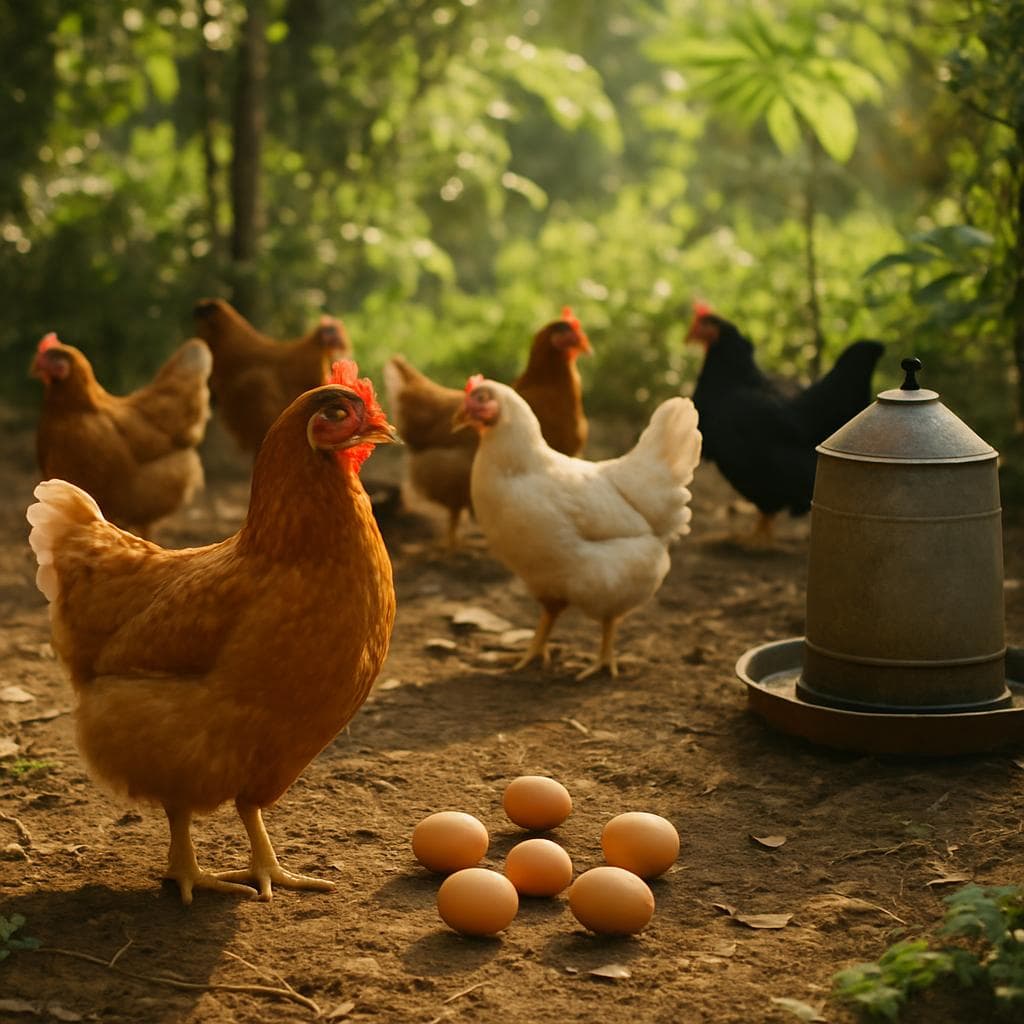
The issue of avian health is essential for poultry farmers, particularly concerning laying hens. A recent study revealed a significant increase in the prevalence of salmonella, with 212 outbreaks identified in 2025, marking a 15% increase compared to the previous year. This situation deserves particular attention, as it can have repercussions on the production and marketing of eggs.
Salmonella are bacteria that can cause foodborne infections in humans, highlighting the importance of controlling their presence in poultry farms. The source of samples, the age of the animals, and their vaccination status are crucial elements for understanding the origin of this increase. Farmers must therefore be vigilant and implement preventive measures to protect their flocks.
The increase in cases of salmonella can be attributed to several factors, including farming conditions, biosecurity management, and vaccination practices. It is therefore essential for farmers to reassess their management and hygiene protocols. Particular attention must be paid to the quality of feed, the cleanliness of facilities, and waste management, all of which can influence the health of poultry.
Furthermore, the vaccination status of the animals plays a key role in preventing infections. Farmers must ensure that their poultry are properly vaccinated, following the recommendations of veterinarians and poultry specialists. Vaccination should not be neglected, as it constitutes an essential barrier against infectious diseases.
In Côte d'Ivoire, where poultry farming is an important economic activity, managing health risks is crucial. Farmers must be informed and trained on best practices in animal health. This includes regular monitoring of the health status of animals, implementing prevention protocols, and collaborating with animal health professionals.
In conclusion, the increase in the prevalence of salmonella in laying hens in 2025 is a wake-up call for Ivorian farmers. This means it is imperative to strengthen biosecurity measures, improve farming practices, and ensure the vaccination of poultry. By adopting a proactive approach, farmers can not only protect their flocks but also guarantee food safety for consumers. Vigilance and education are therefore essential to face this health challenge.
--- *Source: Réussir Volailles — summary and analysis by NEXTEKCI.*