
Poultry encyclopedia · NEXTEKCI School · Feed raw materials
Soybean meal
Soybean meal is the main source of protein in poultry feeds. Its protein is the best balanced of all plant proteins and rich in lysine. It must have been properly heated: raw or undercooked soya contains factors that block digestion.
Key facts
- Main role
- Protein
- Protein content
- Around 44 to 48% depending on quality
- Strong point
- Rich in lysine, well-balanced protein
- Weak point
- Rather short of methionine
- Key check
- Correct heat treatment (neither raw nor burnt)
What it is
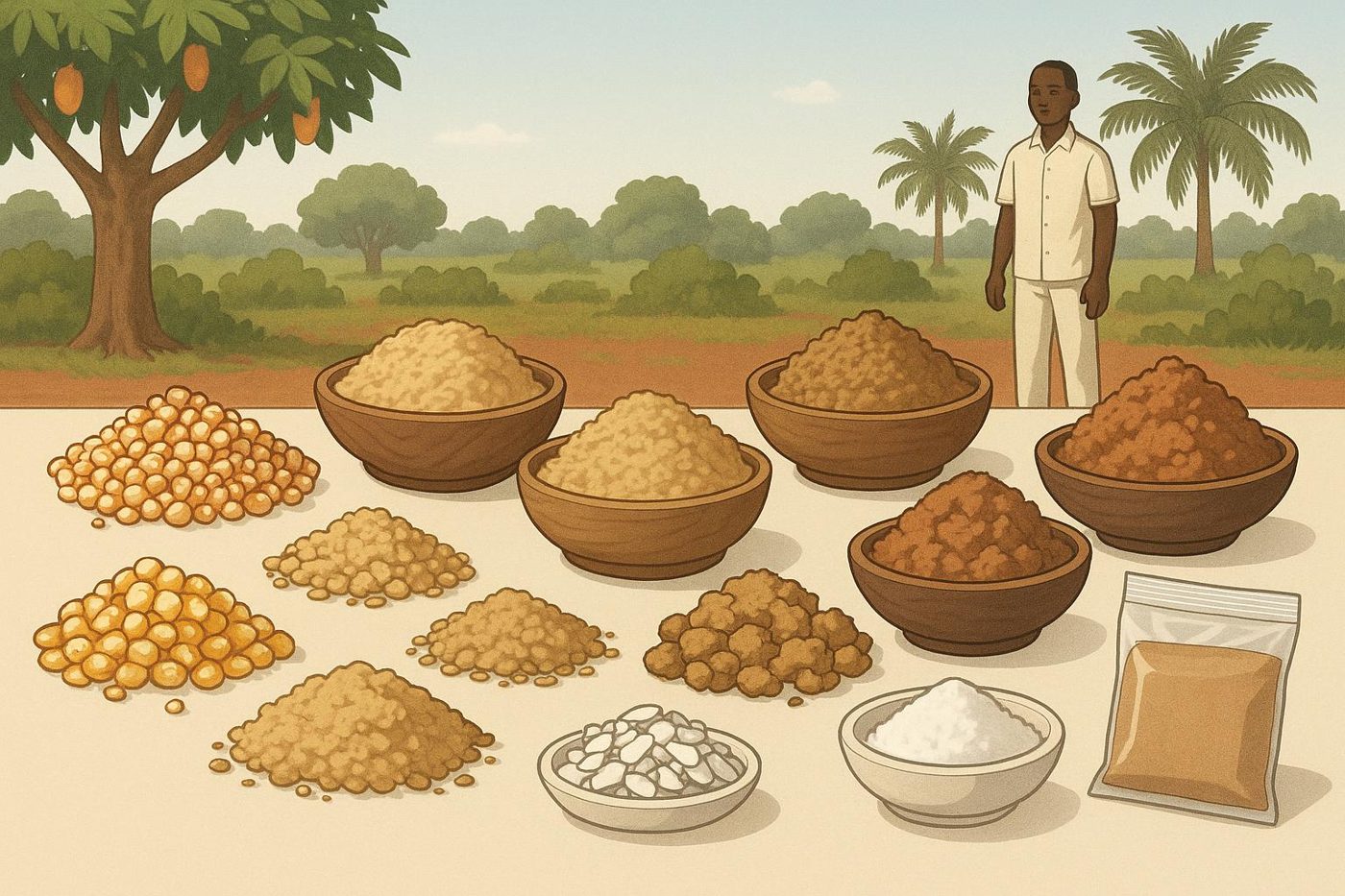
Soybean meal is what remains of the soya bean after its oil has been extracted. It comes as a meal or small flakes, light beige to golden brown in colour. Its protein content is around 44 to 48%, depending on how much of the hull has been removed from the bean.
There is also whole soya bean, cooked (toasted or extruded), which keeps its oil: it provides both protein and a lot of energy.
Its role in the ration
Soybean meal provides protein, that is, the amino acids that build muscle, feathers and eggs. It is particularly rich in lysine, the amino acid maize lacks most: this is why the maize-soya pair is the basis of most poultry feeds in the world.
Its protein is still rather short of methionine, which the nutritionist often makes up with synthetic methionine. The young chick, which has the highest protein needs, is the one that depends most on good-quality meal.
Heat treatment: the point that makes all the difference
Raw soya beans contain "anti-nutritional factors", in particular trypsin inhibitors, which block the digestion of protein: the birds eat but grow badly, and the pancreas becomes enlarged. The heat applied while the meal is being made destroys them.
But excessive heating in turn damages the lysine. Good meal is therefore cooked just enough. Manufacturers check this with simple laboratory analyses (urease activity, protein solubility). Soya beans are never fed raw to poultry.
Quality, storage and availability
Good meal has an even colour and a smell of toasted nuts, without any burnt, rancid or mouldy smell. A very pale colour can signal undercooking; a very dark one, overcooking. It is stored dry, on pallets, away from the moisture that makes it go mouldy.
In West Africa, much of the soybean meal is imported, and local soya production exists and is growing. Because its quality can vary, a serious manufacturer asks for the guaranteed protein content and checks the batches.
Common mistakes
Feeding raw or barely roasted soya beans "because it is soya": the flock eats and does not grow. Buying meal without knowing its protein content, then being surprised that the feed does not give the same result.
Replacing soya with another oilseed meal, weight for weight, without redoing the formula: other meals have neither the same protein content nor the same amino acid balance. The amount of meal in the feed is set by the nutritionist or the manufacturer.