
Poultry encyclopedia · NEXTEKCI School · Feed raw materials
Dicalcium phosphate
Dicalcium phosphate supplies the phosphorus that cereals and oilseed meals provide poorly, plus some calcium. Without enough phosphorus, bones stay soft and legs weaken. It must be of a grade intended for animal feed, with the fluorine removed.
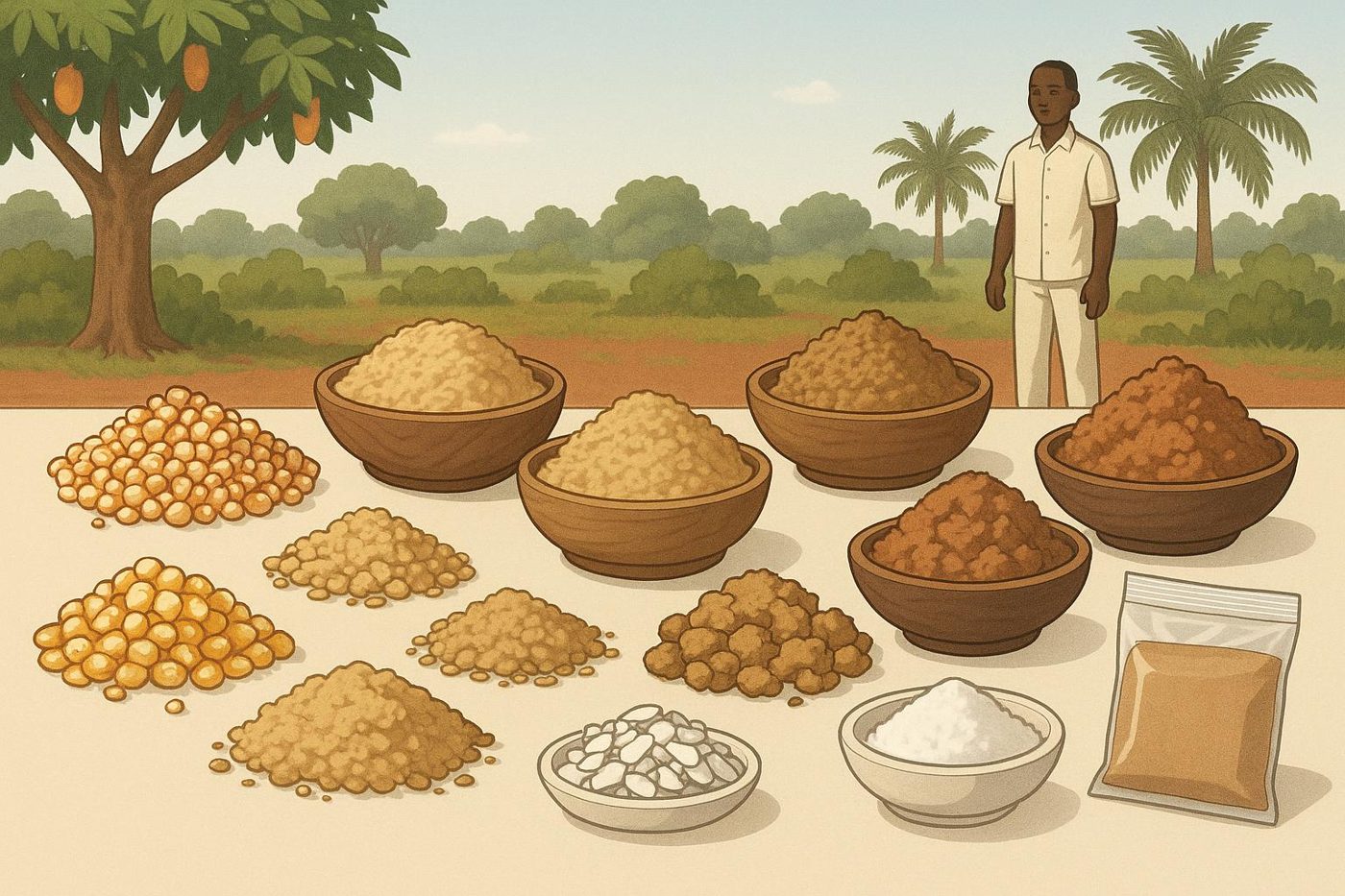
Key facts
- Main role
- Phosphorus (bones, growth, body energy)
- Phosphorus content
- Around 18%
- Calcium content
- A little over 20%
- Required quality
- Feed grade, defluorinated
- Deficiency
- Soft bones, lameness, rickets
What it is
Dicalcium phosphate is a mineral obtained from phosphate rock, treated and purified for animal feed. It comes as a white to grey powder or small granules.
There are other phosphates (monocalcium, rock phosphates); they do not have the same richness or quality, and cannot be swapped for one another without redoing the formula.
Its role in the ration
Phosphorus is used to build bones, together with calcium, and is involved in almost everything the body does: growth, use of energy, laying. Cereals, brans and oilseed meals contain it, but largely in the form of phytates, which poultry digest poorly.
Dicalcium phosphate provides readily usable phosphorus. The nutritionist works in terms of "available phosphorus" and calculates the amount needed according to the age and type of bird. Many feeds also contain an enzyme, phytase, which releases part of the phosphorus in plant materials; its use is the manufacturer’s responsibility.
Deficiency and excess
A lack of phosphorus (or a poor balance with calcium and vitamin D) gives soft, deformed bones: lame chicks, twisted legs, rickets, a soft breastbone. In layers, the bones weaken and the hen may be unable to stand.
Conversely, too much phosphorus in layers interferes with the use of calcium and can worsen the shell. The right level is a matter for the formula, not for guesswork additions.
Quality, storage and availability
Untreated rock phosphates can contain a lot of fluorine, which is toxic to birds over time (damaged bones and beaks, slower growth). Only a feed-grade, defluorinated phosphate is therefore used, with a label stating its phosphorus and calcium content.
In Côte d’Ivoire, dicalcium phosphate is mainly imported and sold by suppliers of feed raw materials. It is stored dry, in closed bags: moisture makes it cake into lumps.
Common mistakes
Replacing phosphate with bone powder of unknown origin: it can carry germs and its content is uncertain. Using a "fertiliser" phosphate or an undefluorinated rock phosphate.
Forgetting the phosphate when making feed on the farm, or mixing it badly: some birds get too much, others not enough, and lameness appears. Lameness also has other causes: the vet helps tell them apart.