

Protection that is not measured uniformly
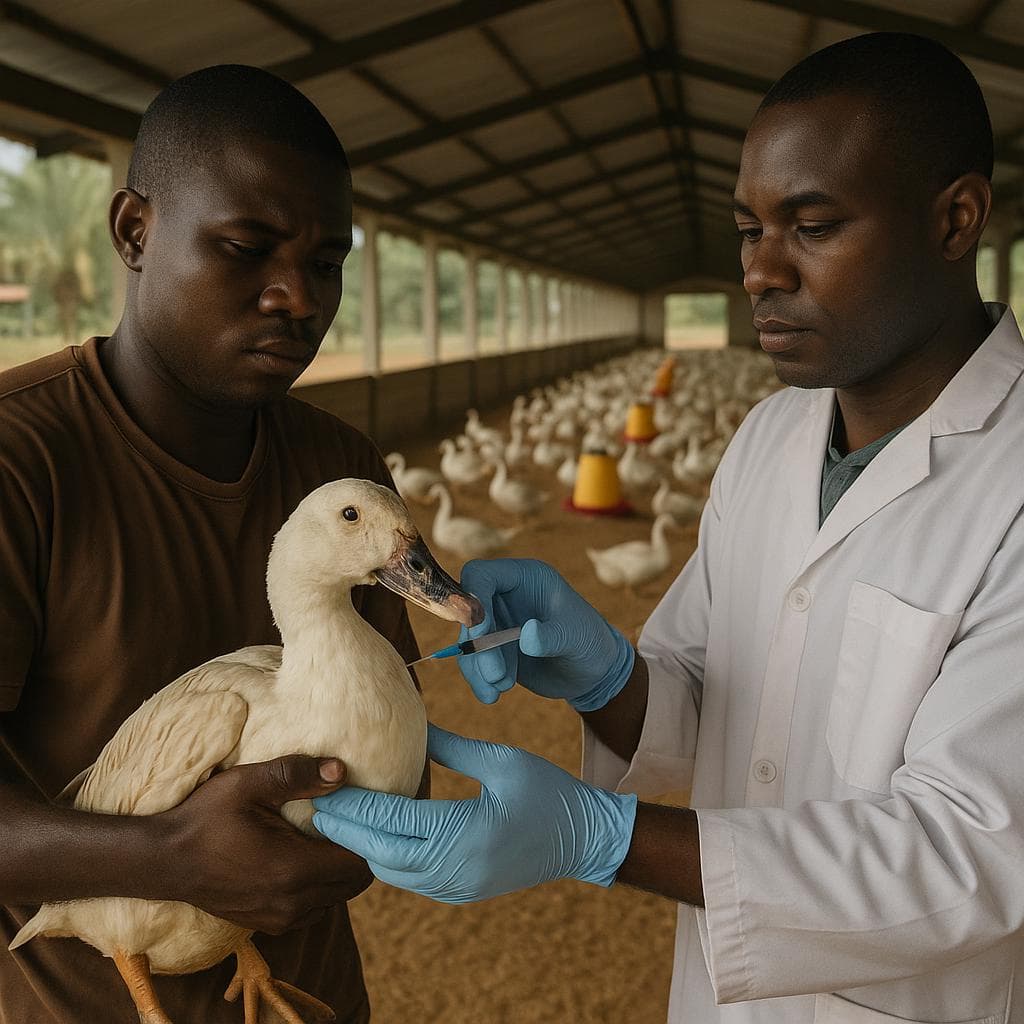
A large-scale study led by Anses looked at the immune response of groups of ducks vaccinated against highly pathogenic avian influenza (HPAI). The key finding is that this response can vary from one animal or group to another. In other words, vaccination does not necessarily lead to the same level of response throughout a flock.
This variability is an important consideration for health management. It is a reminder not to regard vaccination as an absolute guarantee against infection or the circulation of the virus. Its effectiveness depends in particular on the correct implementation of the protocol and the health situation in which the animals are kept. However, the information available in the study summary does not make it possible to specify the causes of these differences or quantify their extent.
Vaccination is part of a set of measures
For a poultry farmer, the first step is to follow the instructions of the veterinary services and the professional supporting the farm. The choice of protocol, schedule, administration conditions and follow-up after vaccination must be adapted to the animals and the local context. It is also useful to keep accurate records: dates, groups concerned, interventions carried out and any unusual signs observed.
Biosecurity remains essential. Limiting access to poultry houses, controlling movements, protecting access to water and feed, cleaning equipment and avoiding contact with wild birds all help reduce the opportunities for the virus to be introduced. These actions do not replace vaccination when it is prescribed; they complement it.
Monitoring the flock remains just as important. A drop in consumption, unusual mortality or respiratory signs must be reported promptly to a veterinarian or the relevant authorities. Even when a group has been vaccinated, these signs should not automatically be attributed to a harmless cause, nor should seeking health advice be delayed.
What this means in practice for a poultry farmer in Côte d'Ivoire
If you keep ducks, do not assume that all the animals will react in the same way after vaccination. Follow the recommended protocol, keep a record of the procedures and maintain strict biosecurity measures. If you notice suspicious signs or abnormal mortality, isolate the animals concerned if this can be done without risk and contact a professional promptly. Daily vigilance remains essential to protect the flock and limit the spread of a disease.
--- *Source: Réussir Volailles — summary and analysis by NEXTEKCI.*