

A goal that reflects changing expectations
In the news, an organisation representing the French poultry sector is highlighting a goal: to ensure that 90 % of laying hens are reared cage-free by 2030. A visit organised in the south-east of France was intended to illustrate the involvement of various stakeholders in this development. Beyond this goal, the subject highlights the growing importance attached to rearing conditions and the way in which sectors adapt to market expectations.
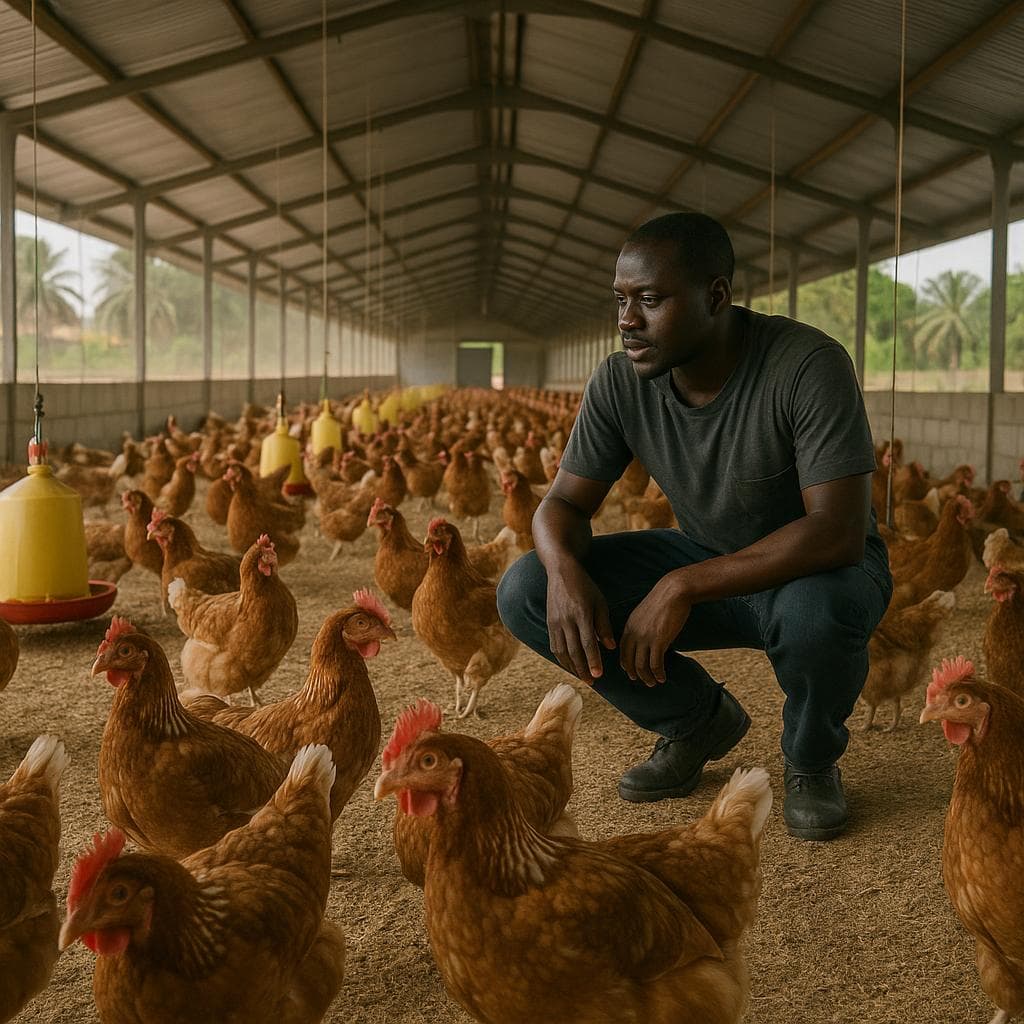
Cage-free rearing encompasses several systems. Hens may be reared on the floor in a poultry house, or have access to an outdoor area, depending on the production method. These solutions are not simply a matter of removing cages: they require suitably designed facilities, attentive flock management and regular monitoring.
Management requirements to consider
In a cage-free system, birds have greater freedom of movement. But this change must be accompanied by good management of the litter, ventilation, feed and drinking water. Risks of injury, feather pecking and disease must also be limited, while making it easier to collect eggs and monitor the birds. Stocking density, the layout of resting areas and the quality of hygiene all play an important role.
These changes may require adaptations to poultry houses and practices. Before making any decision, a poultry farmer should therefore assess whether their facilities are suitable, what skills are available and which markets they wish to serve. The choice of system cannot be separated from biosecurity: protective measures against pathogens remain essential, particularly when birds have access to the outdoors.
The announced goal concerns a European sector; on its own, it does not constitute an obligation for producers in Côte d'Ivoire. Climatic conditions, infrastructure, consumption habits and local regulations must be taken into account. It is preferable to seek information from the relevant technical services before modifying a poultry farm.
What this means in practice for a poultry farmer in Côte d'Ivoire
This news is an invitation to plan ahead, not to automatically copy a foreign model. A poultry farmer in Côte d'Ivoire can start by assessing the comfort of their poultry, the condition of the litter, air circulation and how easy it is to monitor the birds. They can also note the difficulties encountered and ask for technical advice before investing or modifying their poultry house. A successful transition depends on choices suited to the local context, good disease control and consistent management practices.
--- *Source: Réussir Volailles — summary and analysis by NEXTEKCI.*