

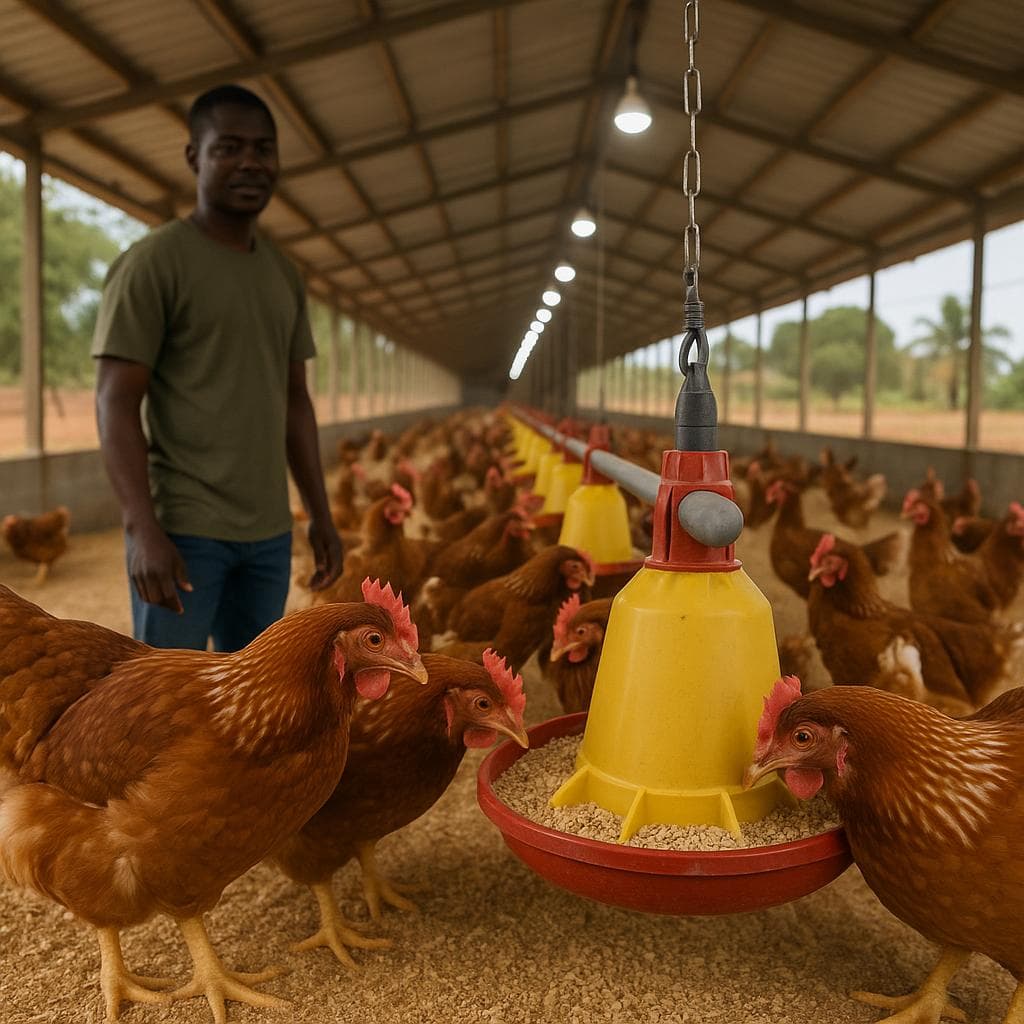
Recent news regarding the intensification of cattle farming in Uruguay and Paraguay raises interesting questions for the poultry sector in Côte d'Ivoire. As these countries seek to increase their beef exports, particularly due to the European ban on Brazilian cattle, it is essential for Ivorian farmers to understand the market dynamics and their potential impacts on poultry farming.
The rise of cattle farming in South America, particularly in countries like Uruguay and Paraguay, may have several consequences for the poultry market. On one hand, the increase in beef supply could lead to heightened competition in the international market. Poultry farmers in Côte d'Ivoire may face price pressures, especially if demand for beef increases in regions traditionally dominated by poultry.
On the other hand, this situation may also present opportunities for Ivorian farmers. If beef becomes less competitive in certain markets, this could encourage consumers to turn more towards poultry, which is often perceived as a more affordable and healthier alternative. Poultry farmers could thus benefit from an increase in domestic demand, which could offset the effects of international competition.
From a health perspective, it is crucial for farmers to ensure the quality of their production. The increase in international trade of meat, whether beef or poultry, can also heighten the risk of disease spread. Farmers must therefore be vigilant and implement strict hygiene practices to ensure the health of their poultry. This includes appropriate vaccinations, a balanced diet, and regular monitoring of animal health.
Finally, it is important to note that these developments in the beef market may also influence the prices of raw materials used for poultry feed. A fluctuation in grain prices, for example, could have a direct impact on poultry production costs. Farmers must therefore stay informed about market trends and adjust their strategies accordingly.
What does this concretely mean for a farmer in Côte d'Ivoire?
For poultry farmers, these developments highlight the importance of diversifying their income sources and remaining flexible in the face of market changes. It is essential to monitor consumption trends and adapt their production accordingly. In parallel, implementing good sanitary practices and cost management can help maintain the competitiveness of their farming. Ultimately, a proactive and informed approach will enable Ivorian farmers to successfully navigate a constantly evolving environment.
--- *Source: Réussir Volailles — summary and analysis by NEXTEKCI.*