
Benchmarks for better managing poultry farming
Monitoring carried out at broiler farms is beginning to bring technical and economic results to light. These first observations do not guarantee performance for all farms: production conditions, work organisation and markets vary from one farm to another. Their value lies rather in reminding us that management decisions benefit from being based on data collected on site.
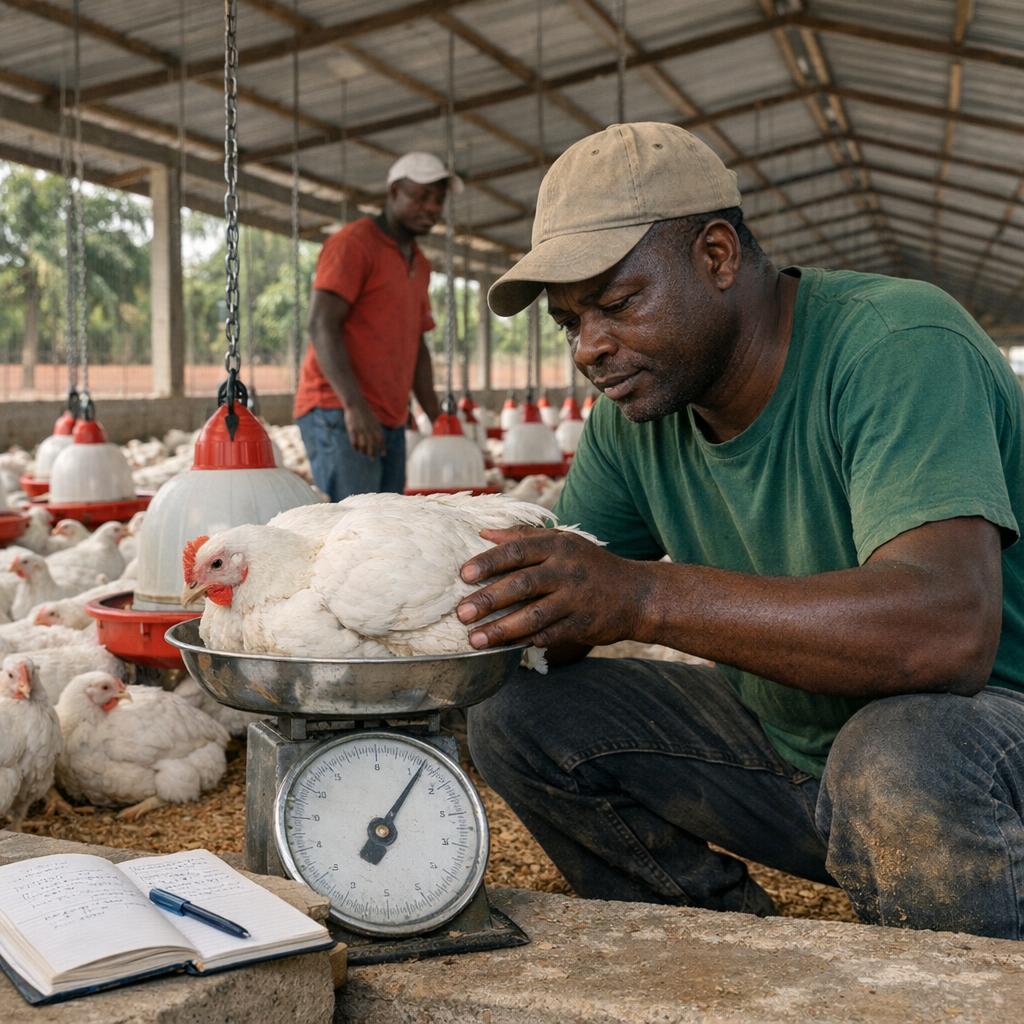
For the poultry farmer, the first step is to record the important details of each flock. They can track the number of chicks placed, losses recorded over the course of the cycle, feed consumption, weights recorded during checks and the age at which the birds are sold. The length of the sanitary break and notable events in the poultry house should also be recorded. This information makes it possible to compare their own results from one cycle to the next, without drawing conclusions from a single observation.
Linking technical performance and economic results
Technical performance influences the organisation and expenses of the farm. High feed consumption, uneven growth or unusual losses can reduce the number of birds available for sale and complicate sales planning. But each indicator must be interpreted with caution: the climate, water quality, ventilation, stocking density, poultry farming practices and market conditions can all have an impact.
A monitoring logbook, even a simple one, is therefore a decision-making tool. At the end of the cycle, the poultry farmer can compare their observations with their purchases, expenses and income, then identify discrepancies to investigate. Comparing flocks reared under similar conditions is more informative than relying on general figures that do not necessarily reflect their situation. If results are unusual or there are visible signs of disease, it is best to seek advice from the local veterinarian.
What this means in practical terms for a poultry farmer in Côte d'Ivoire
Before starting a new flock, prepare a record sheet with indicators that you will actually be able to collect. During rearing, record the data regularly and keep supporting documents related to purchases and sales. At the end, review the results with the people supporting you, particularly your adviser or veterinarian if a health problem has arisen. This method does not promise a specific result, but it helps you understand what happened, better plan the next cycle and make decisions suited to your farm.
--- *Source: Réussir Volailles — summary and analysis by NEXTEKCI.*