

Making activities work in complementary ways
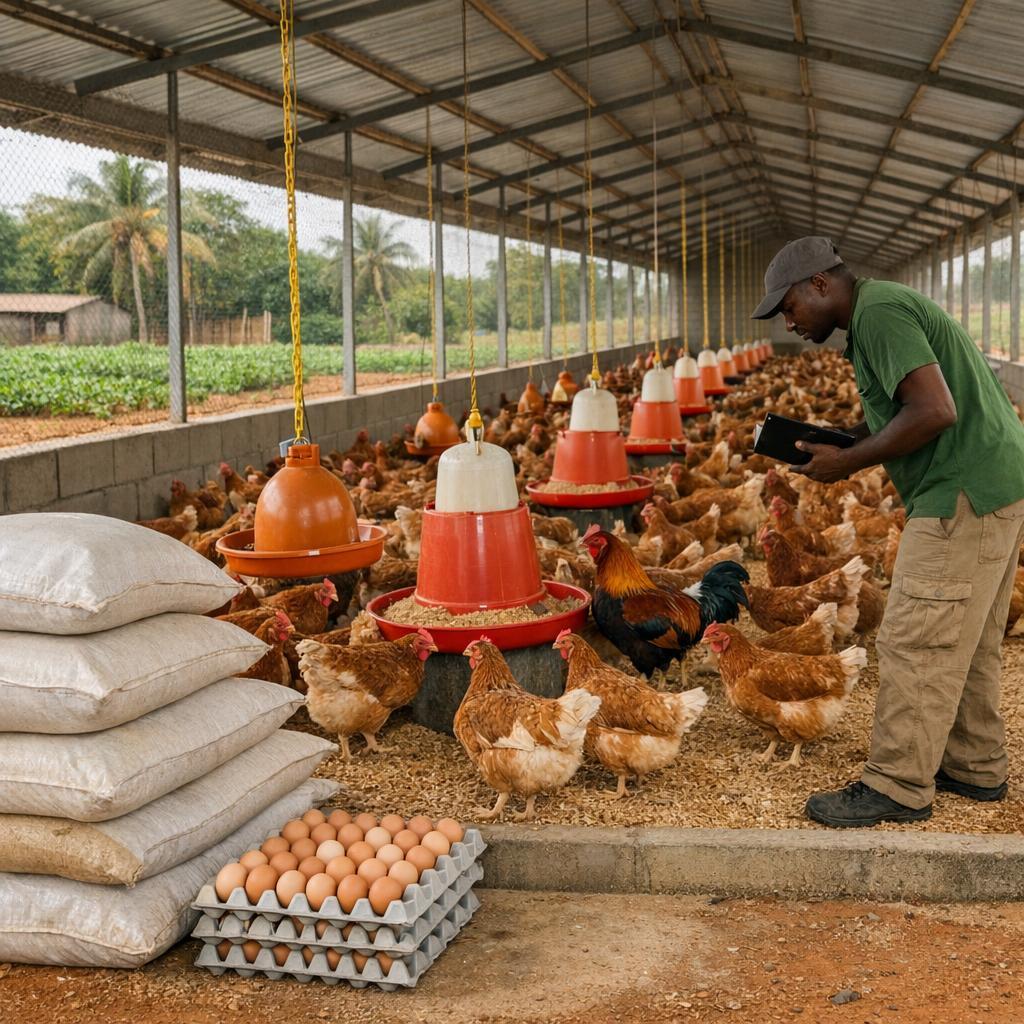
A farm that combines several types of production can seek to make better use of its resources. In the model presented in the news, agricultural and livestock activities are organised to complement one another, while direct sales bring the producer closer to their customers. The point for a poultry farmer is not to reproduce this organisation exactly, but to consider possible links between their activities and ways to manage their operations more effectively.
In poultry farming, this reflection begins with a practical assessment: which inputs are available locally, which tasks take the most time, which products are in demand nearby and which skills are already available on the farm? The answers help to choose realistic improvements rather than adding activities without a clear plan.
Autonomy is built step by step
Strengthening one’s autonomy does not mean producing everything oneself. It can involve better planning supplies, limiting losses, organising storage or regularly monitoring the consumption and results of each flock. Simple records, kept regularly, make it possible to identify discrepancies and make better-informed decisions.
Diversification can also spread activities across different periods and open up new markets. But it requires time, skills and suitable organisation. Before adding a type of production, the poultry farmer must check that they have the necessary space, can comply with hygiene rules and that there is sufficient demand. An overly broad project can distract attention from the main activity.
Processing and direct sales are other options to consider. They can bring the producer closer to consumers and allow them to present their products more effectively. However, they require control over storage, quality, applicable rules and the regularity of sales. It is prudent to start on a scale compatible with the farm’s capabilities and to observe customer feedback.
What this means in practice for a poultry farmer in Côte d'Ivoire
For an Ivorian poultry farmer, the first step may be to list their workloads, recurring needs and the markets accessible in their locality. They can then test one improvement at a time: plan purchases better, reduce avoidable losses or explore a new sales channel, then monitor the results before investing further.
The priority remains to maintain good poultry farming practices: clean poultry houses, well-maintained equipment, controlled visitors and sanitary break periods organised between flocks. Useful diversification is diversification that strengthens the farm’s stability without compromising the attention given to the poultry or the quality of service provided to customers.
--- *Source: La France Agricole — summary and analysis by NEXTEKCI.*