

Can a logo sum up rearing conditions?
In France, two animal protection associations have brought legal action concerning a logo displayed on poultry products. They believe that the way this sign is presented could mislead consumers about the animals’ living conditions. The proceedings will determine whether the information provided is sufficiently precise and whether the logo genuinely reflects the practices it suggests.
This controversy highlights an important question for the entire sector: what does the expression “animal welfare” actually mean? A symbol or phrase on packaging attracts attention, but does not always make it possible to understand the criteria used. To be useful, an approach must explain the requirements applied, how they are checked and what evidence makes it possible to verify compliance.
Practices that can be observed every day
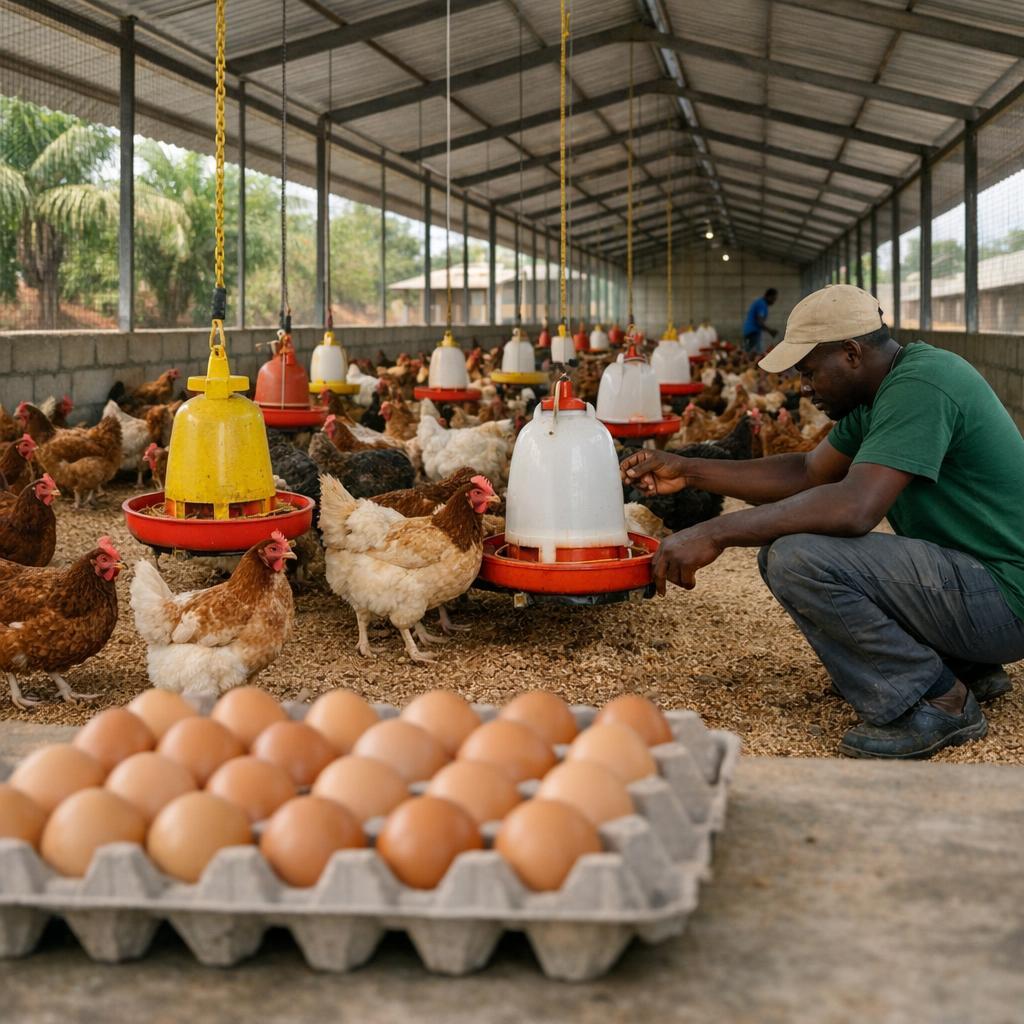
For the poultry farmer, welfare is not limited to communication aimed at consumers. It is built through the daily management of the poultry house: regular access to water and feed, well-maintained litter, suitable ventilation, temperature control and careful observation of the birds. Stocking density, the condition of the equipment and how quickly a problem is identified also matter in flock management.
These points require consistency. An observation round makes it possible to spot changes in behaviour, an unusual distribution of the birds or a drop in their activity. Recording interventions and observations also helps track the flock’s progress and explain the practices put in place. When a worrying sign appears, the poultry farmer should seek advice from the local veterinarian.
Quality schemes can help provide the market with better information, provided their criteria are understandable and verifiable. A logo alone cannot replace either good practices on the farm or detailed information. Clarity of requirements is also essential for professionals: it makes it possible to know what is expected and to prepare the organisation of poultry farming accordingly.
What this means in practical terms for a poultry farmer in Côte d'Ivoire
Although this case concerns the French market, the principle is useful in Côte d'Ivoire: do not reduce the quality of poultry farming to an advertising slogan. Focus on the fundamentals, record important observations and ask for precise explanations when you are offered a set of specifications or a quality scheme. Careful management of day-old chicks, good control of the poultry house environment and veterinary follow-up when there is a problem all help you manage your flock more effectively. Beyond logos, it is concrete, consistent and verifiable practices that strengthen trust in the poultry sector.
--- *Source: Réussir Volailles — summary and analysis by NEXTEKCI.*