
Climate and resilience: heat, rain, breakdowns, power cuts, planning to last
A farm almost never dies on an ordinary day. It dies on a day at 36 °C with a six-hour power cut, from a rain that cuts the road on feed delivery day, from a pump that fails on a Sunday. Resilience is the ability to take those days without losing the flock. It is prepared when all is well: calculated reserves, tested back-ups, written actions. This lesson teaches you to size the reserves of water, feed, energy and litter, to choose and maintain the back-ups, and to run the flock on the day everything piles up.
13 min read · 20-question assignment at the end (16 to pass)
 By Abdul Hussein ChoumanFounder of NEXTEKCI · Agnibilékrou hatchery since 2006
This lesson is part of Level 14 — Environment, regulation and sustainability. It opens to registered students who have passed the level 13 exam. Levels 1 to 5 remain readable by everyone.
A farm almost never dies on an ordinary day. It dies on a day at 36 °C with a six-hour power cut, from a rain that cuts the road on feed delivery day, from a pump that fails on a Sunday. Resilience is the ability to take those days without losing the flock. It is prepared when all is well: calculated reserves, tested back-ups, written actions. This lesson teaches you to size the reserves of water, feed, energy and litter, to choose and maintain the back-ups, and to run the flock on the day everything piles up.
- ✓Define a farm's resilience and identify the four shocks of the Ivorian climate
- ✓Size the reserves of water, feed, energy and litter with a worked calculation
- ✓Choose, install and maintain the back-ups: generator, pump, tank, spare brooder
- ✓Run the flock on the day of the shock with written actions in the right order
- Resilience: taking the shock without losing the flock
- The reserves: the worked calculation
- The back-ups: generator, pump, ventilation, heat
- The day of the shock: the actions in order
- Planning to last: the resilience calendar
- Going further
- •Resilience = margin on each link (water, feed, air, heat, people) + written instruction; shocks pile up, you size for the pile-up; in heat, 2 to 4 hours without ventilation are enough to lose heavy broilers.
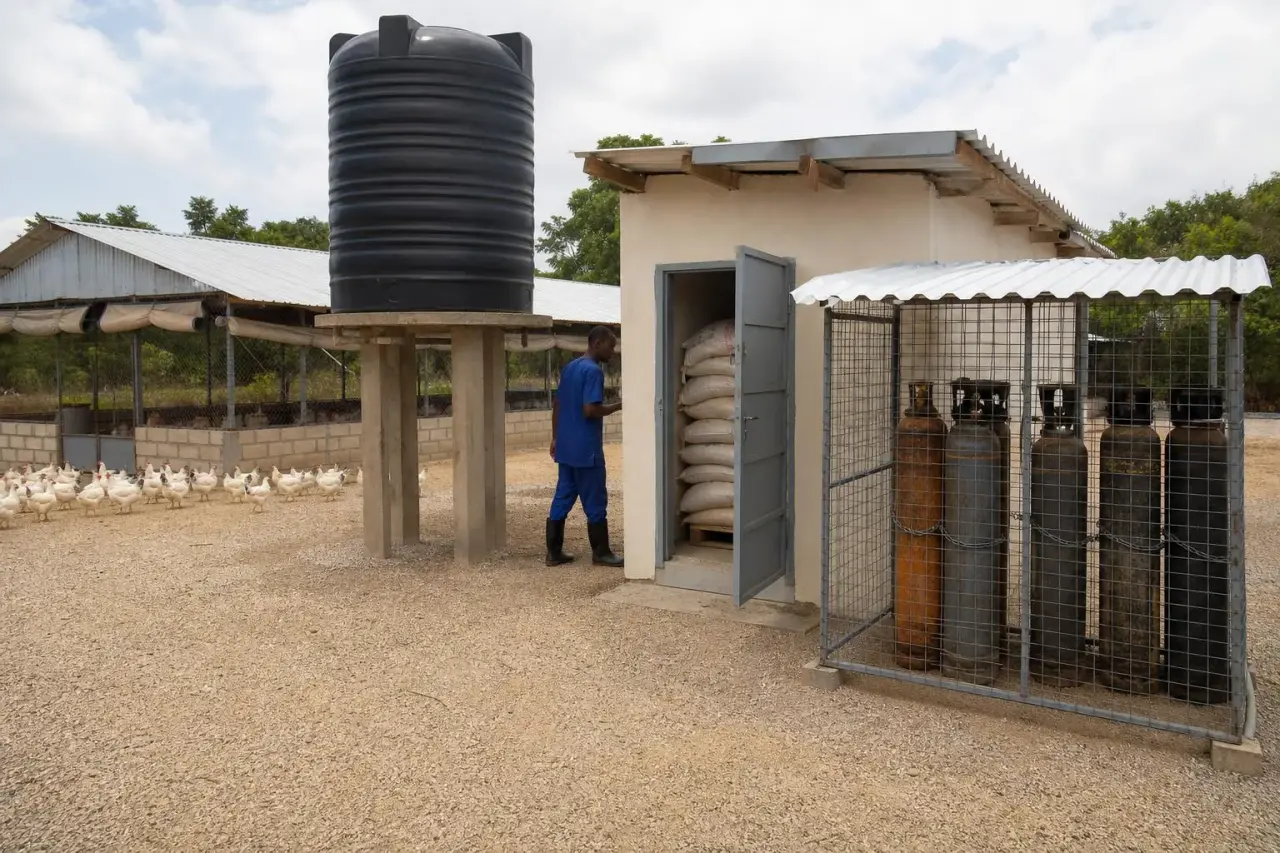
- •Reserves for 6,000 broilers: 8,000 L tank (2 to 3 days), 190 bags (7 to 10 days, never more than 2 to 3 weeks), 54 L of diesel, 320 kg of gas at start, 24 m³ of spare litter, a parts box; Monday round.
- •Generator of about 10 kVA for 6 kW of load, started motor by motor, room 30 m away, changeover switch, 15-minute test every week; water tower by gravity; spare brooder and supervised charcoal.
- •On the day of the shock: posted instruction, actions in order (generator, fans, curtains, water, feed removed, readings every 30 minutes), losses and duration noted.
- •Calendar: Monday (reserves, generator), month (fans, pump, numbers), January (heat, density at 5 per m²), March-April (rains, back-up feed depot), every flock (gas, brooder), every year (shocks book, one weakness corrected).
© NEXTEKCI, Agnibilékrou · Lessons protected by copyright · Terms of use · Privacy policy