
Case study: a flock that does not grow despite good feed, where to look?
A farmer calls: "My chickens are not growing, and yet I bought the best feed." It is the most frequent sentence in the trade, and the answer is almost never in the bag. This case tells a real situation from the Agnibilékrou area, the clues gathered one by one, the technician's reasoning, the decision taken, and what should have been done before. Read it like an investigation: at each step, ask yourself what you would have checked.
12 min read · 20-question assignment at the end (16 to pass)
 By Abdul Hussein ChoumanFounder of NEXTEKCI · Agnibilékrou hatchery since 2006
This lesson is part of Level 7 — Feed and nutrition. It opens to registered students who have passed the level 6 exam. Levels 1 to 5 remain readable by everyone.
A farmer calls: "My chickens are not growing, and yet I bought the best feed." It is the most frequent sentence in the trade, and the answer is almost never in the bag. This case tells a real situation from the Agnibilékrou area, the clues gathered one by one, the technician's reasoning, the decision taken, and what should have been done before. Read it like an investigation: at each step, ask yourself what you would have checked.
- ✓Piece together the clues of a lagging flock from the records and the field
- ✓Apply the search order: water, feed, distribution, climate, health
- ✓Distinguish a feed problem from a feed access problem
- ✓Draw from the case the measures to take before the next flock
- The situation
- The clues: what the books say
- The clues: what the house says, at 2 pm
- The reasoning
- The decision and the result
- What should have been done before
- Going further
- •A flock that does not eat points first to what stops it from eating; a flock that eats and does not grow points to the feed or to health.
- •Search order: books (weight, feed, water, temperature, batches, mortality), then house at 2 pm: water, feed, distribution, climate, health; local veterinarian to rule out health.
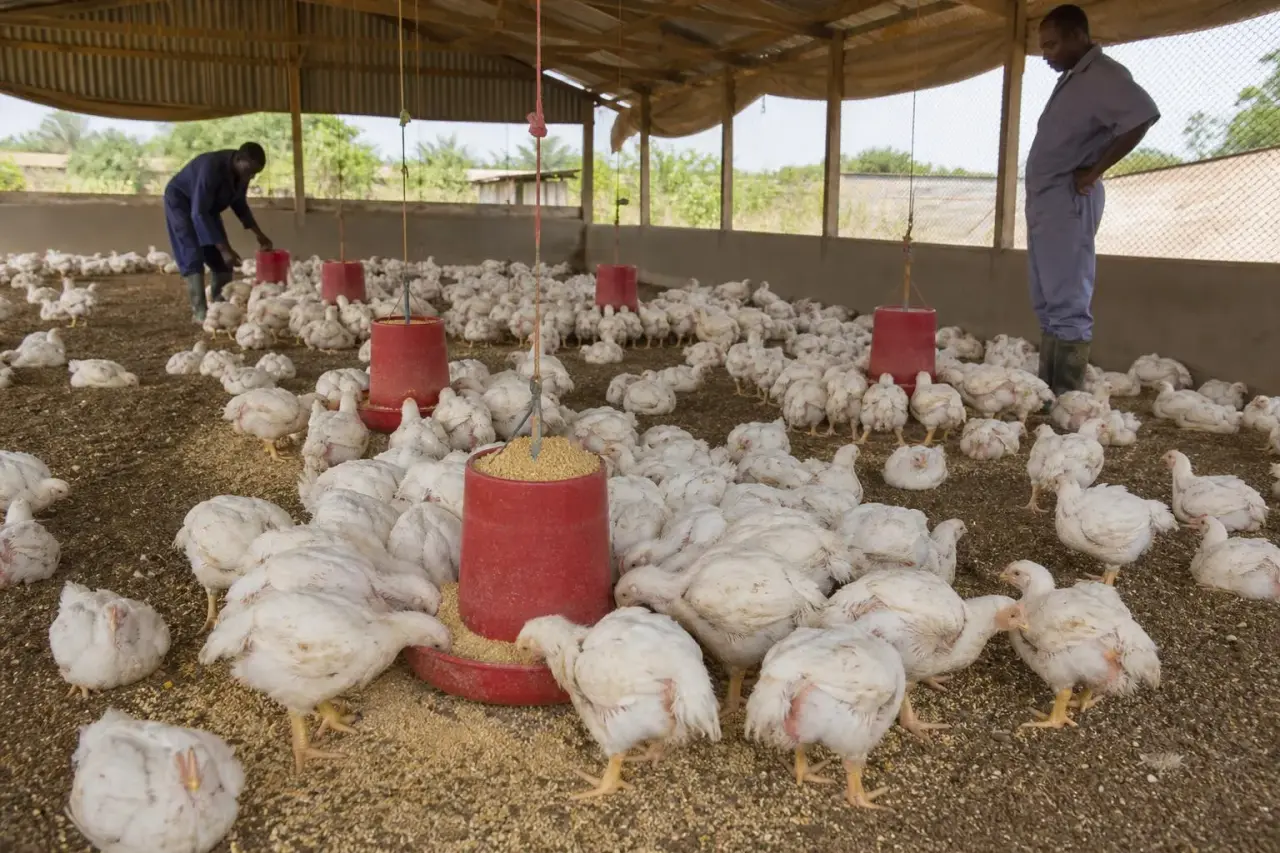
- •In this case: water at 37 °C and weak nipples at the back, 28% fines, 81 birds per feeder too low and too full, 7-week-old batch under the sheet, 7.8 birds per m² at 34 °C while NEXTEKCI advises 5 in hot periods.
- •Free corrections the same day: shade, buried pipe, flushes, pressure, feeders added and raised, filling to one third in the cool hours, bottoms emptied; decisions for the next flock: store, sieve test, density.
- •A delay is corrected but not erased: daily records (water, feed, water-to-feed ratio) give the alert fifteen days before the scale.
© NEXTEKCI, Agnibilékrou · Lessons protected by copyright · Terms of use · Privacy policy