

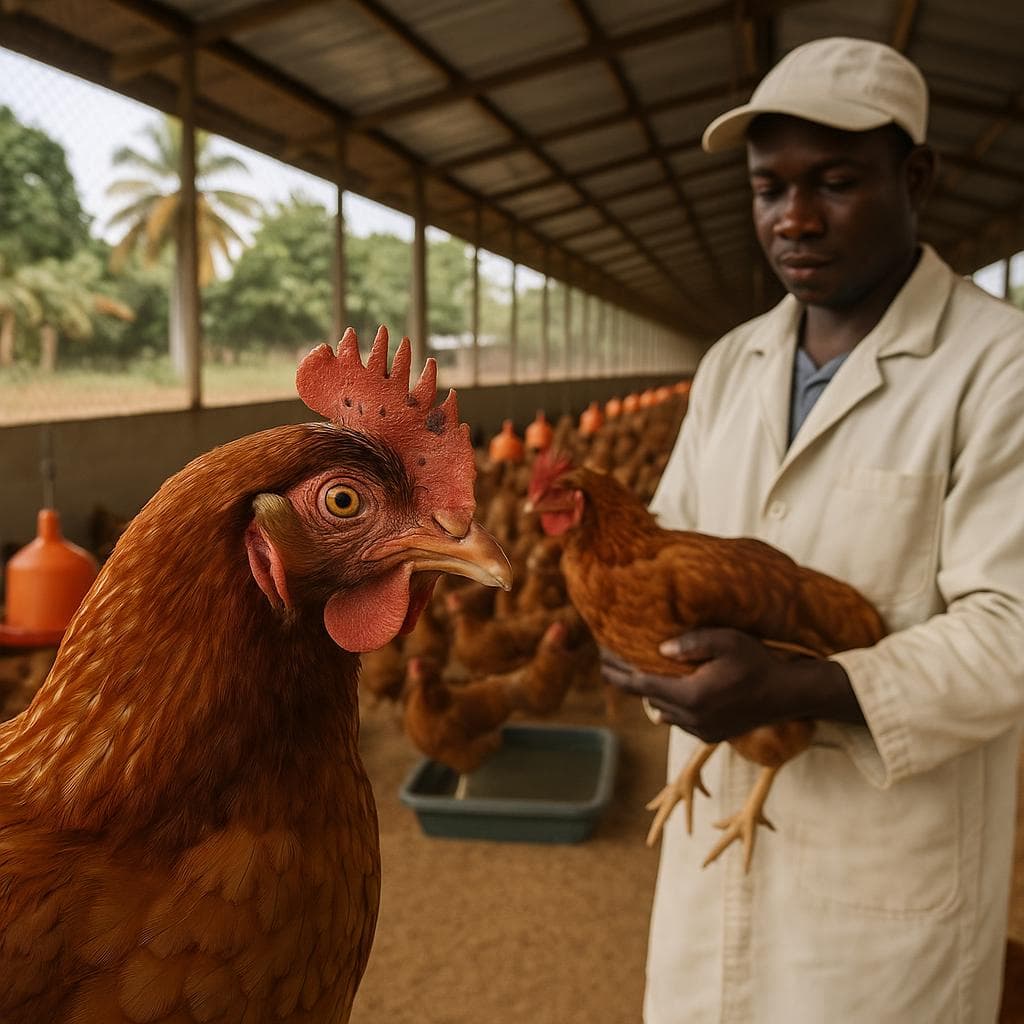
Identifying signs in poultry
Avian pox is a viral disease that affects chickens and other birds. It occurs mainly in two forms, which can sometimes appear together.
The cutaneous form causes spots followed by scabs, especially on featherless areas: the comb, wattles, around the eyes and sometimes the legs. The lesions can interfere with sight or access to water and feed when they are near the eyes or beak. Do not automatically mistake these scabs for injuries or other skin problems: monitor how they develop and seek a veterinarian’s advice.
The so-called wet form causes plaques or deposits in the mouth and throat. The bird may have difficulty swallowing or breathing, eat less and become weak. These signs require a rapid response, as several diseases can cause similar symptoms.
Responding without spreading the virus
As soon as you suspect avian pox, separate affected birds from the rest of the flock in a clean, dry and well-ventilated area. Use drinkers and feeders reserved for these birds. Begin care and egg collection with healthy birds, then finish with the sick ones, washing your hands and cleaning your footwear and equipment after each visit.
Avoid pulling off the scabs: this can irritate the tissues and contaminate the environment. Regularly remove soiled litter and dispose of it safely, without spreading it near poultry houses or water points. Clean the equipment before disinfecting it with a suitable product, following its instructions for use.
Mosquitoes can transmit the virus from one bird to another. Remove stagnant water around the chicken coop, maintain the surrounding area and, if possible, fit mosquito screens over openings while maintaining good ventilation. Also limit visits and the movement of animals between flocks.
Protecting the flock and seeking advice
Contact a veterinarian or poultry technician to confirm the suspicion and determine what to do. Vaccination can help prevent the disease, but it must be part of a programme suited to the poultry farming operation. In the event of a suspected case or confirmed outbreak, seek advice before any vaccination: it does not treat birds that are already sick.
Keep affected birds calm and check that they can drink and eat. Do not administer antibiotics without professional advice: they do not act against a virus. Record the signs observed and how they develop to help with the assessment.
In Côte d'Ivoire, if you see unusual scabs or breathing difficulties, isolate the affected poultry, reduce movement in the chicken coop and promptly contact a professional. Early detection and rigorous hygiene practices help limit the spread.
--- *Source: NEXTEKCI — In-house expertise — summary and analysis by NEXTEKCI.*