
Technical guide · NEXTEKCI School
Coloured and hybrid chicken rearing guide
Red broilers, barred grey, hybrids: hardy, heat-tolerant and in high demand
Benchmarks: Hubbard Premium (Redbro, barred grey, hybrids)
Download the guide (PDF)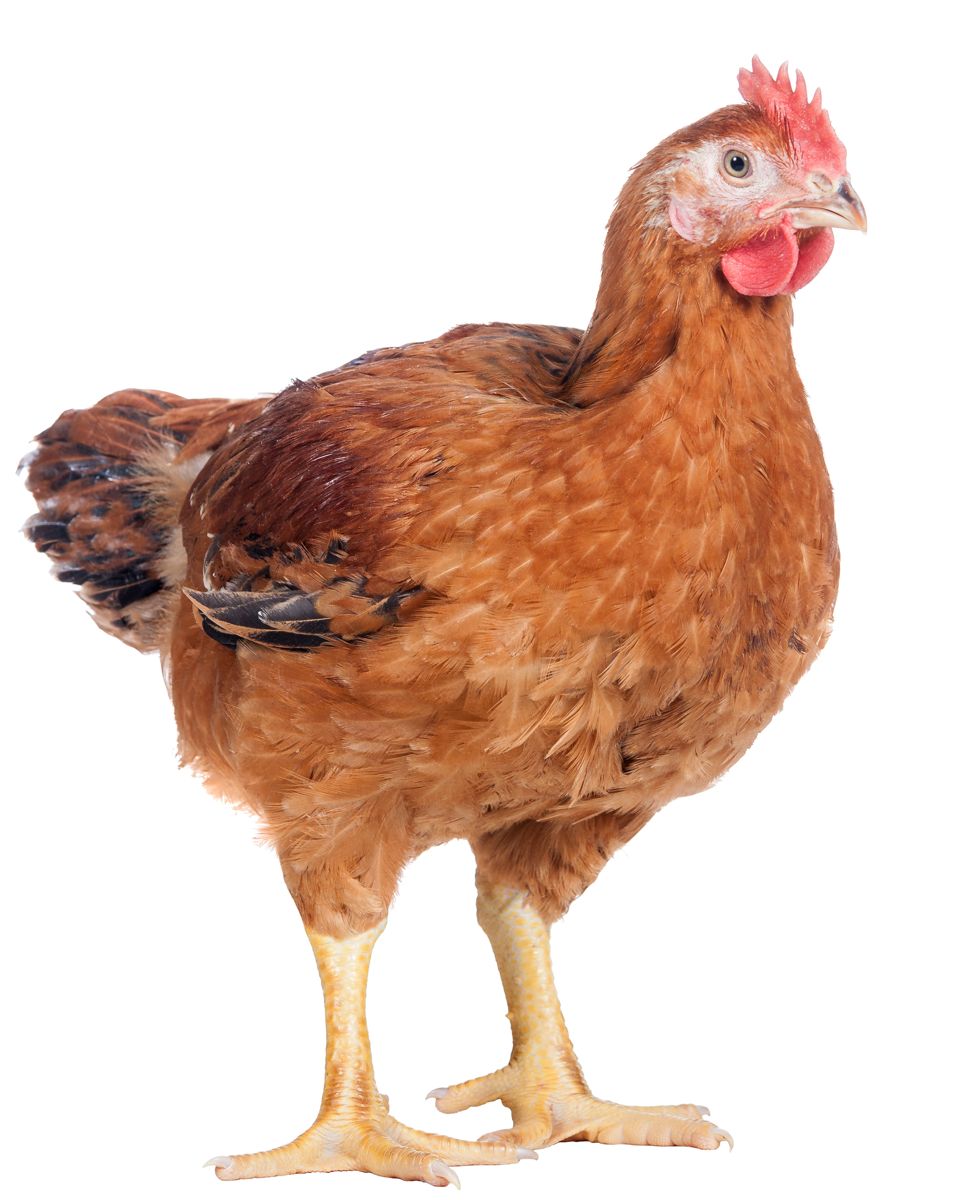
1. Why rear coloured chickens
Coloured chickens grow more slowly than white broilers, but they are hardier, cope better with heat and give firmer meat, close to that of a village chicken. They often sell for a higher price, per bird or by weight, at markets, in maquis (local eateries) and for festive occasions.
- Hardy: they cope better with management lapses and with heat.
- Firm, tasty meat, much appreciated in Côte d’Ivoire (the “improved poulet bicyclette”, or improved village chicken).
- Flexible sale: from 8 to 14 weeks depending on the weight sought and the market.
- Can go out on a free-range run from 4 to 5 weeks, if the farm is protected.
NEXTEKCI red broiler, barred grey and hybrid chicks follow the same curves as the Hubbard Premium reference range (Redbro, Hubbard JA).
2. The chickens in the range
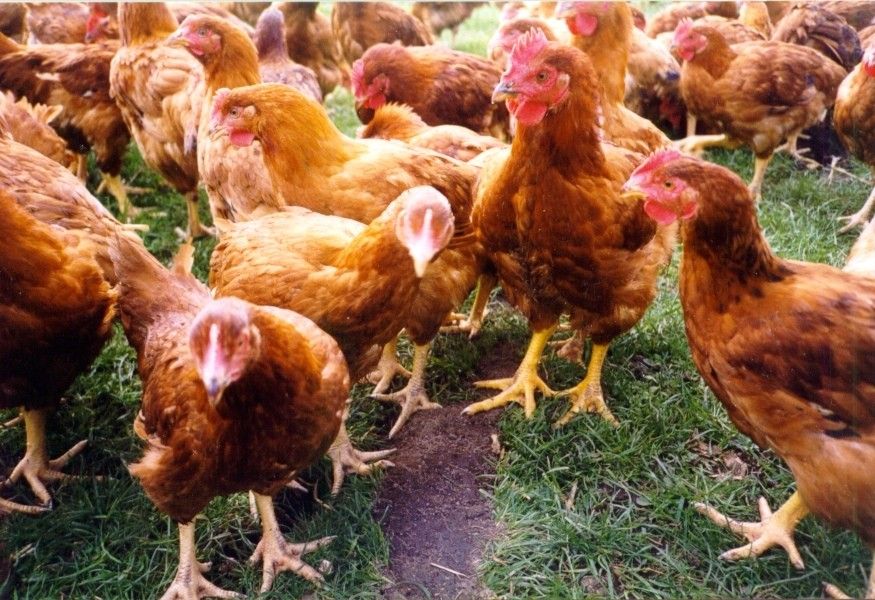
Red broiler (Redbro)
- Dark red plumage, black tail
- Yellow skin and shanks
- The heaviest in the range: about 2.4 kg at 56 days (target)
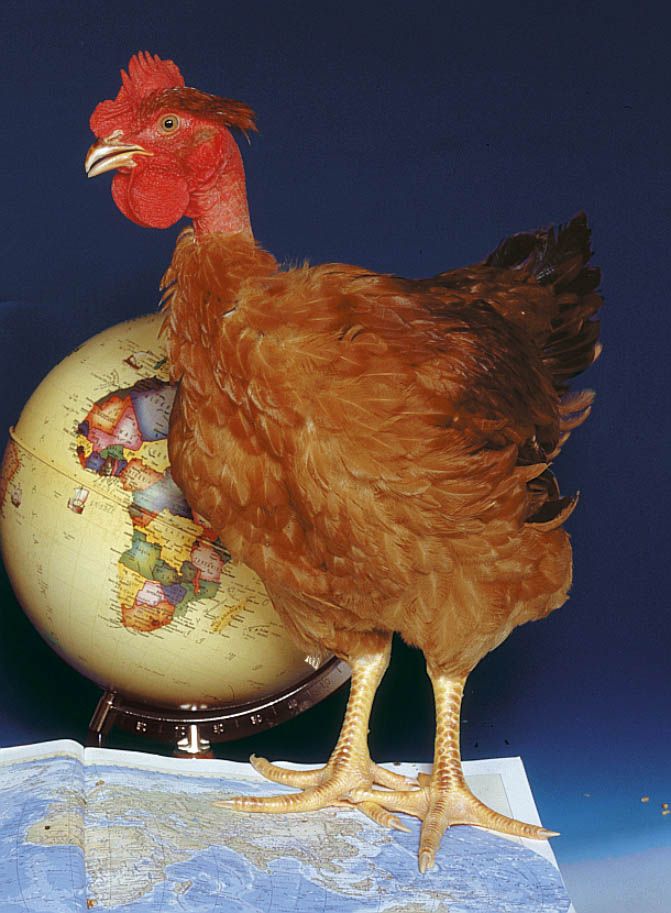
Naked-neck red broiler
- Same colour, but featherless neck
- Copes better with heat
- About 2.3 kg at 56 days (target)
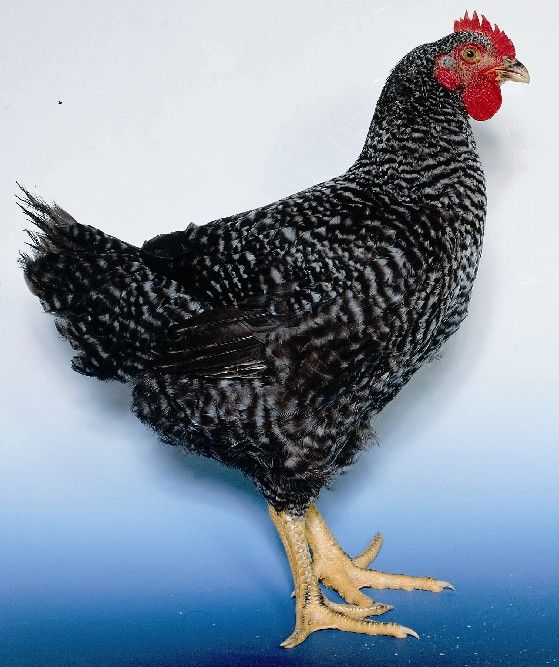
Barred grey
- Grey and black barred plumage
- Yellow skin and shanks
- About 2.3 kg at 56 days (target)
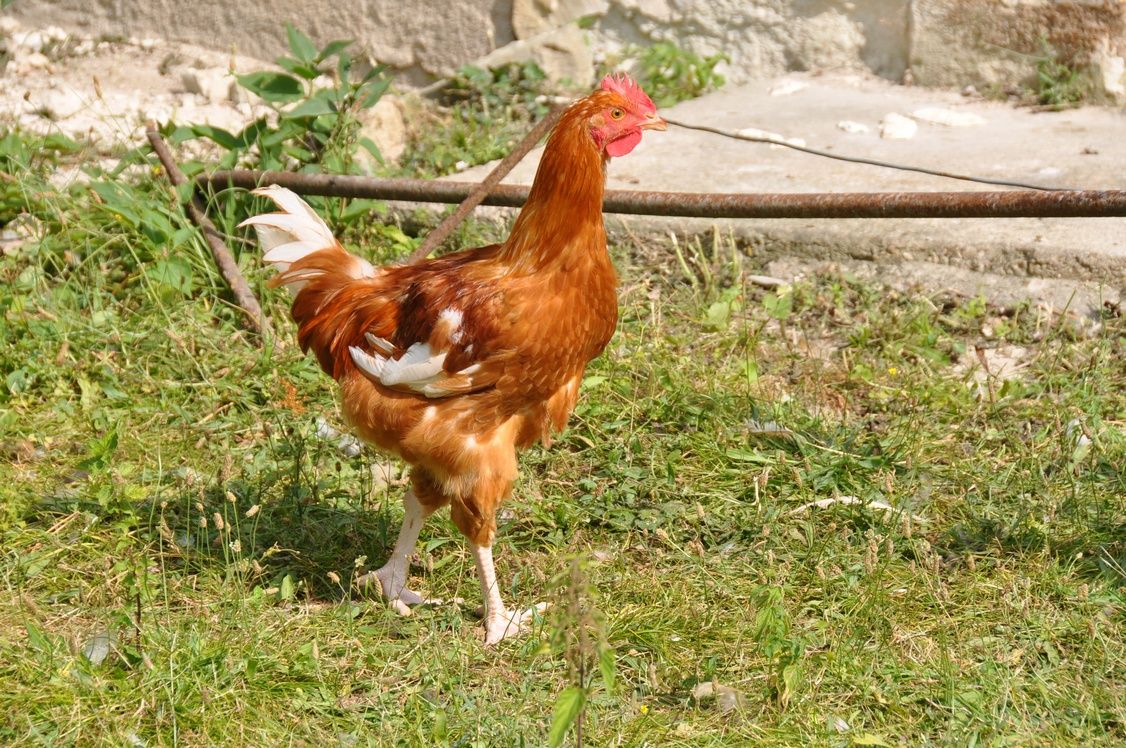
Red hybrid, white skin
- Red plumage, white skin and shanks
- Slow growth, firm meat
- About 1.6 kg at 56 days, 2 kg at 70 days
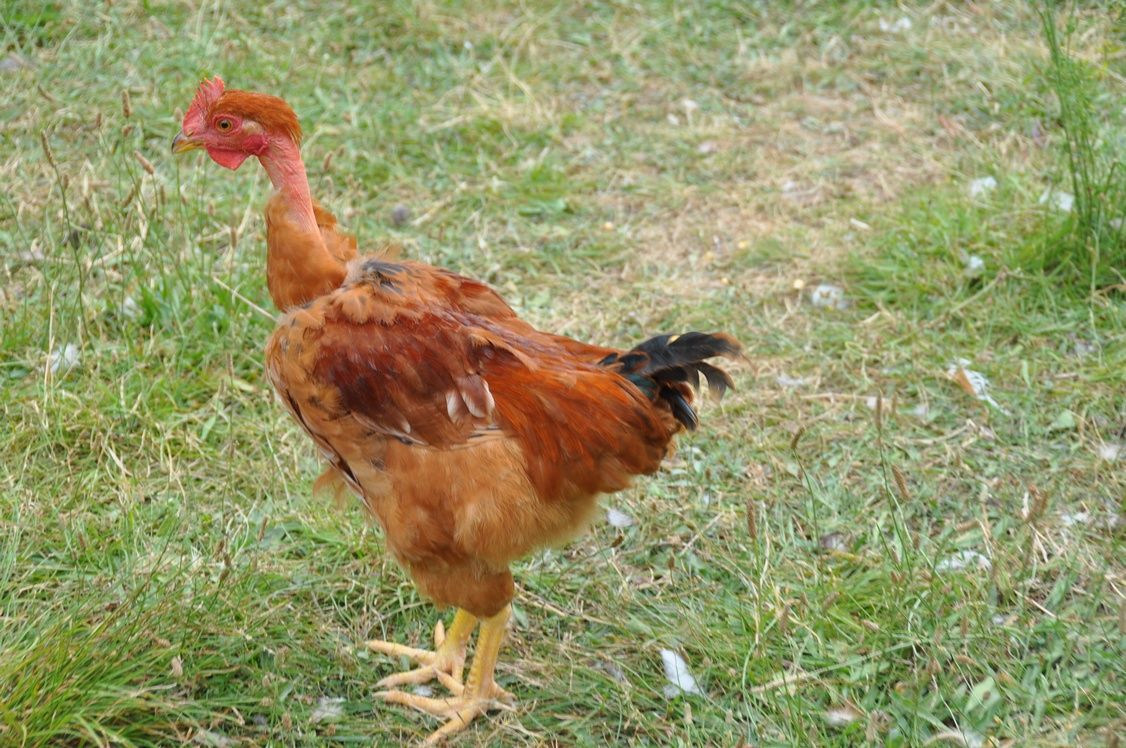
Naked-neck red hybrid
- Dark red, naked neck, yellow skin and shanks
- Very hardy, comfortable in strong heat
- About 2 kg at 70 days
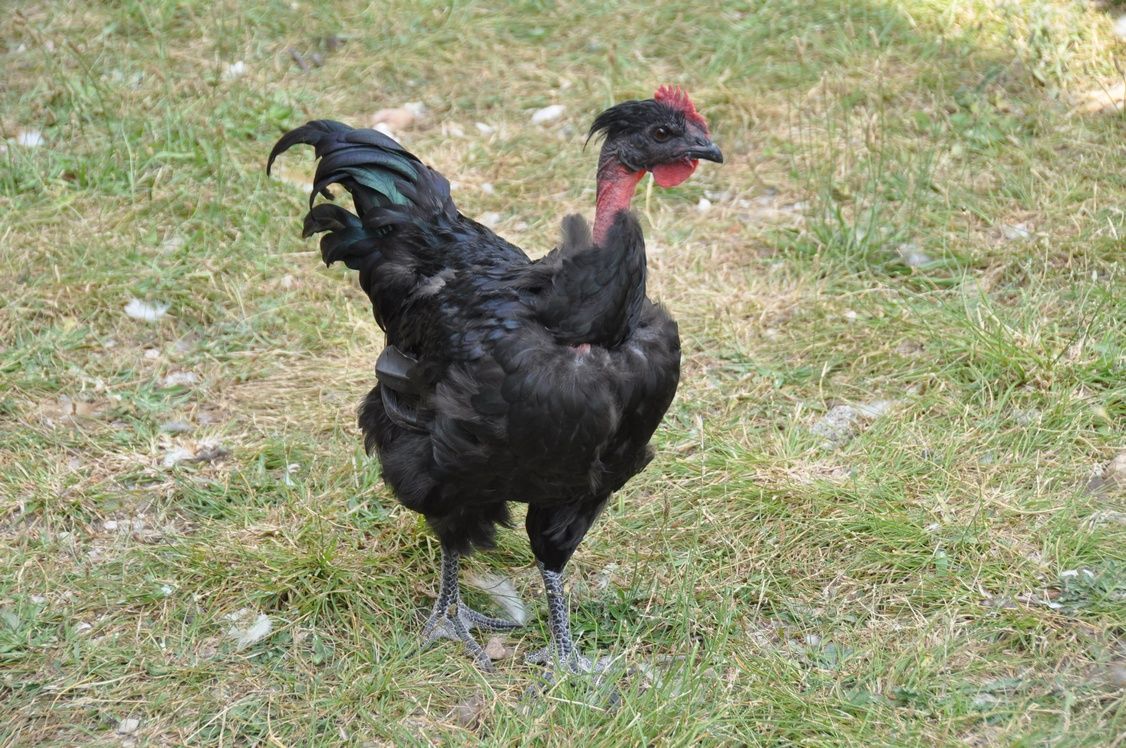
Naked-neck black hybrid
- Black to grey plumage, naked neck, black shanks
- “Village chicken” look
- About 2 kg at 70 days
Photos: Hubbard
The naked neck is not a defect: these chickens have fewer feathers, lose heat more easily and suffer less when it is very hot.
3. Growth targets
These weights are targets achieved under good conditions, with a standard crumbled feed. In an open-sided house, in strong heat, expect them to be often 10 to 25% lower. Weigh every week and compare.
Red broiler (Redbro)
| Age | Average liveweight | Feed conversion ratio (FCR) | Carcass yield |
|---|---|---|---|
| 28 days | 0.94 kg | 1.64 | — |
| 35 days | 1.29 kg | 1.77 | 64.8% |
| 42 days | 1.66 kg | 1.89 | 66.2% |
| 49 days | 2.03 kg | 2.01 | 67.5% |
| 56 days | 2.38 kg | 2.16 | 68.7% |
| 63 days | 2.71 kg | 2.34 | 69.7% |
| 70 days | 3.02 kg | 2.54 | 70.5% |
| 84 days | 3.60 kg | 2.93 | 71.5% |
Indicative Hubbard Premium performance
Barred grey
| Age | Average liveweight | Feed conversion ratio (FCR) | Carcass yield |
|---|---|---|---|
| 28 days | 0.91 kg | 1.58 | — |
| 35 days | 1.25 kg | 1.71 | 64% |
| 42 days | 1.61 kg | 1.82 | 65.4% |
| 49 days | 1.96 kg | 1.94 | 66.8% |
| 56 days | 2.30 kg | 2.09 | 67.9% |
| 63 days | 2.62 kg | 2.26 | 68.9% |
| 70 days | 2.92 kg | 2.45 | 69.7% |
| 84 days | 3.48 kg | 2.83 | 70.6% |
Indicative Hubbard Premium performance
Naked-neck red broiler
| Age | Average liveweight | Feed conversion ratio (FCR) | Carcass yield |
|---|---|---|---|
| 28 days | 0.91 kg | 1.66 | — |
| 35 days | 1.25 kg | 1.79 | 64.7% |
| 42 days | 1.61 kg | 1.91 | 66.1% |
| 49 days | 1.96 kg | 2.03 | 67.4% |
| 56 days | 2.30 kg | 2.19 | 68.6% |
| 63 days | 2.62 kg | 2.37 | 69.6% |
| 70 days | 2.92 kg | 2.56 | 70.4% |
| 84 days | 3.48 kg | 2.96 | 71.4% |
Indicative Hubbard Premium performance
Hybrids (red white-skinned, naked-neck red, naked-neck black)
| Age | Average liveweight | Feed conversion ratio (FCR) | Carcass yield |
|---|---|---|---|
| 28 days | 0.63 kg | 1.58 | — |
| 35 days | 0.87 kg | 1.71 | 62.7% |
| 42 days | 1.12 kg | 1.82 | 64% |
| 49 days | 1.37 kg | 1.94 | 65.3% |
| 56 days | 1.61 kg | 2.09 | 66.5% |
| 63 days | 1.83 kg | 2.26 | 67.4% |
| 70 days | 2.04 kg | 2.45 | 68.2% |
| 84 days | 2.43 kg | 2.83 | 69.1% |
| 98 days | 2.79 kg | 3.18 | 69.6% |
Indicative Hubbard Premium performance (the white-skinned red hybrid eats slightly less: FCR 2.02 at 56 days)
Carcass yield is the share of liveweight recovered as oven-ready chicken. It increases with age.
4. Choosing the selling age
The longer you keep a chicken, the heavier it gets, but the more it eats for each kilo gained (the feed conversion ratio rises). The right selling age is the one at which the price you get comfortably covers the feed of the last week.
Guidelines for choosing
| What your market wants | Recommended chicken | Indicative selling age |
|---|---|---|
| 1.5 to 2 kg chicken, firm meat | Hybrids | 56 to 70 days |
| 2 to 2.5 kg chicken | Red broiler, barred grey | 56 to 63 days |
| Large festive chicken (3 kg and over) | Red broiler | 70 to 84 days |
5. Flock management
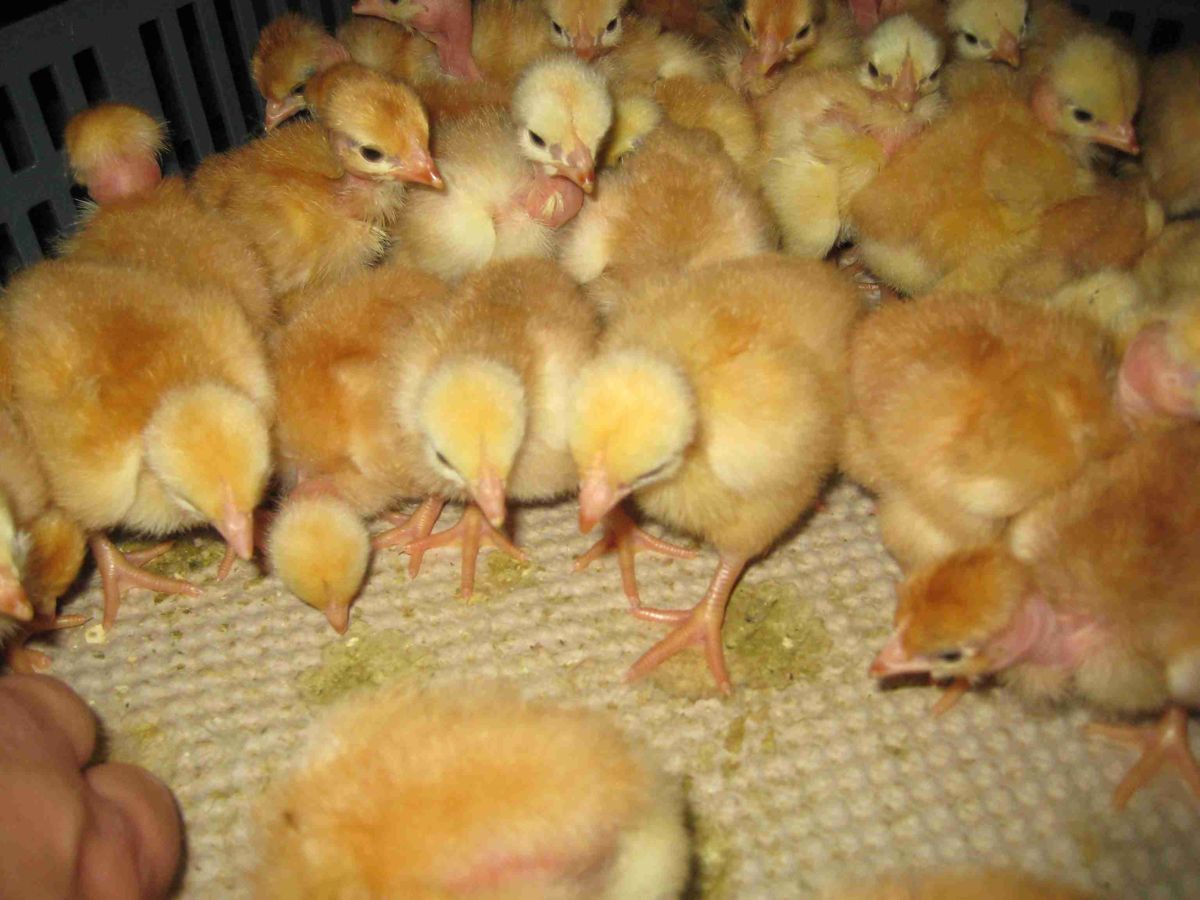
Brooding is done exactly as for white broilers: clean, pre-heated house, floor at 32 °C, water and feed straight away, crop check at 24 hours (see the white broiler guide).
Differences from white broilers
| Point | Coloured chicken |
|---|---|
| Stocking density in the house | 6 to 8 birds per m² (fewer if you keep them up to 12 weeks) |
| Feed | Standard crumbled feed at the start; starter, grower then finisher |
| Duration | 8 to 14 weeks instead of 5 to 6 |
| Free-range run | Possible from 4 to 5 weeks, if the farm is fenced and protected |
| Heat | Better tolerated, especially by naked-neck birds |
The rules that do not change
- Clean, cool water at all times: a chicken drinks about twice what it eats, much more in strong heat.
- Dry litter: remove wet patches around the drinkers.
- Weigh every week and compare with the targets.
- Moving air after 14 days, with no draughts on the chicks before that.
Source: Cobb (Broiler Management Guide)
6. Health and sale
NEXTEKCI coloured chicks are not vaccinated at the hatchery. As they stay on the farm longer than white broilers, ask the vet in your area for a protocol suited to the length of your flock.
- Biosecurity: a single age group, footbath, few visitors, no backyard poultry nearby.
- On a free-range run: shelter, shade, water, and protection against predators.
- Before sale: withdraw feed 8 to 12 hours before slaughter, leave the water.
Need advice?
Our advisers answer on WhatsApp: +225 05 44 83 27 79 (information) · +225 07 07 72 78 67 (chick orders).