
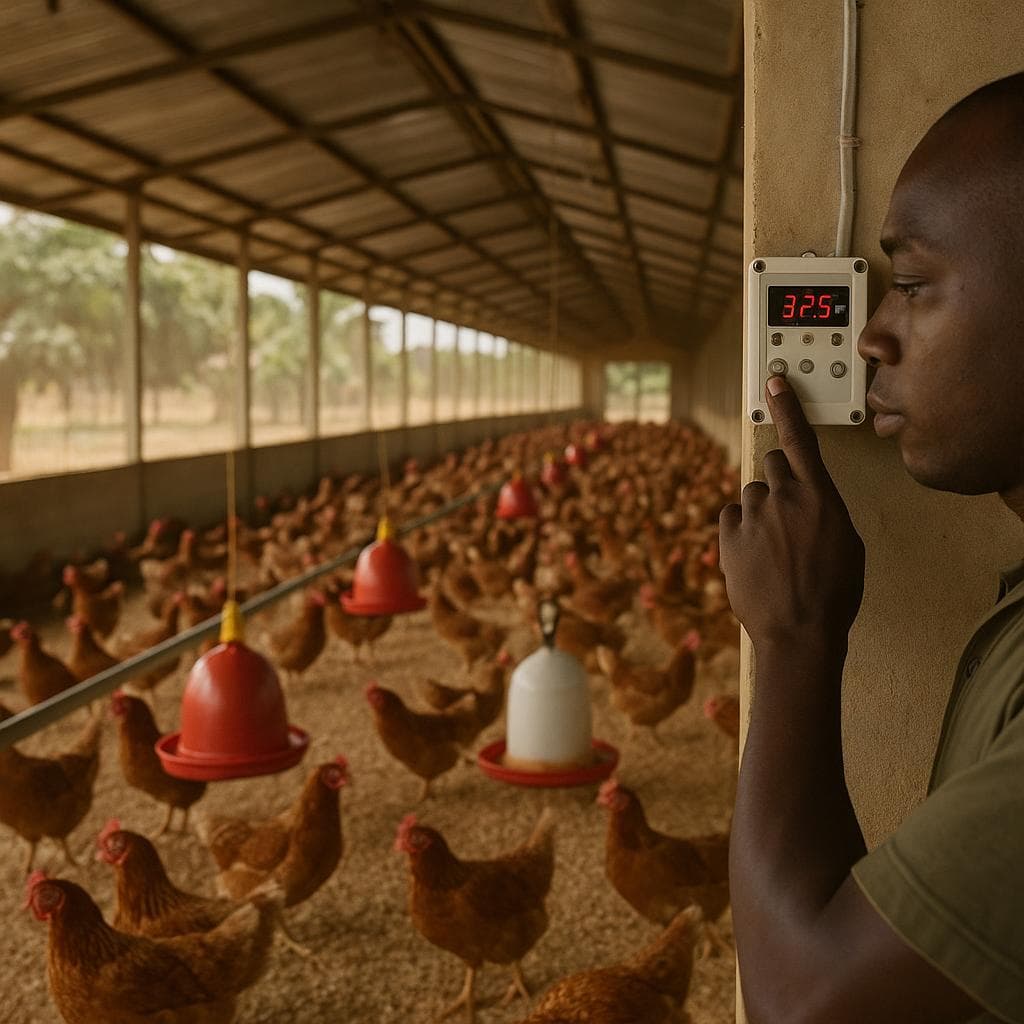
The period of extreme heat can have detrimental effects on the health and productivity of your poultry. Excessively high temperatures can lead to heat stress, thereby reducing growth, laying, and, in some cases, the survival of the birds. Here are some practical tips for adjusting the temperature of your chicken coop during hot weather.
1. Adequate Ventilation
Ventilation is essential for maintaining a comfortable temperature in the chicken coop. Ensure that your structure is well-ventilated. Use fans, if possible, to improve air circulation. Opening windows and doors can also help create airflow. If you use fans, be sure to direct them in a way that does not blow air directly onto the poultry, as this could stress them.
2. Insulation of the Chicken Coop
Good insulation can make a significant difference in temperature regulation. If your chicken coop is made of metal, consider adding insulating materials to the roof and walls. This can help reduce heat buildup inside. Thatched or tiled roofs can also provide better protection against heat.
3. Use of Water
Water is a key element in helping your poultry regulate their body temperature. Ensure that your birds have constant access to fresh, clean water. During hot periods, you can add ice cubes to the drinkers to lower the water temperature. This can encourage the poultry to drink more and stay hydrated.
4. Space Arrangement
Create shaded areas in the chicken coop and outside for your poultry to retreat from the sun. This can be done using tarps, nets, or by planting trees nearby. Additionally, avoid overcrowding the chicken coop, as this can exacerbate heat stress.
5. Monitoring Health
Be attentive to signs of heat stress in your poultry, such as lethargy, increased respiration, or ruffled feathers. If you notice these symptoms, it is crucial to act quickly to improve the living conditions of your birds. Regular monitoring of their behaviour and water consumption can help you detect potential problems.
Conclusion
During extreme heat, it is essential to adapt your chicken coop to ensure the well-being of your poultry. By implementing adequate ventilation, insulating your chicken coop, ensuring constant access to fresh water, creating shaded areas, and monitoring the health of your birds, you can minimise the effects of heat. Take action today to protect your poultry and ensure their productivity. Feel free to share your experiences with other farmers to find solutions tailored to your situation.
--- *Source: NEXTEKCI — In-house expertise — summary and analysis by NEXTEKCI.*