
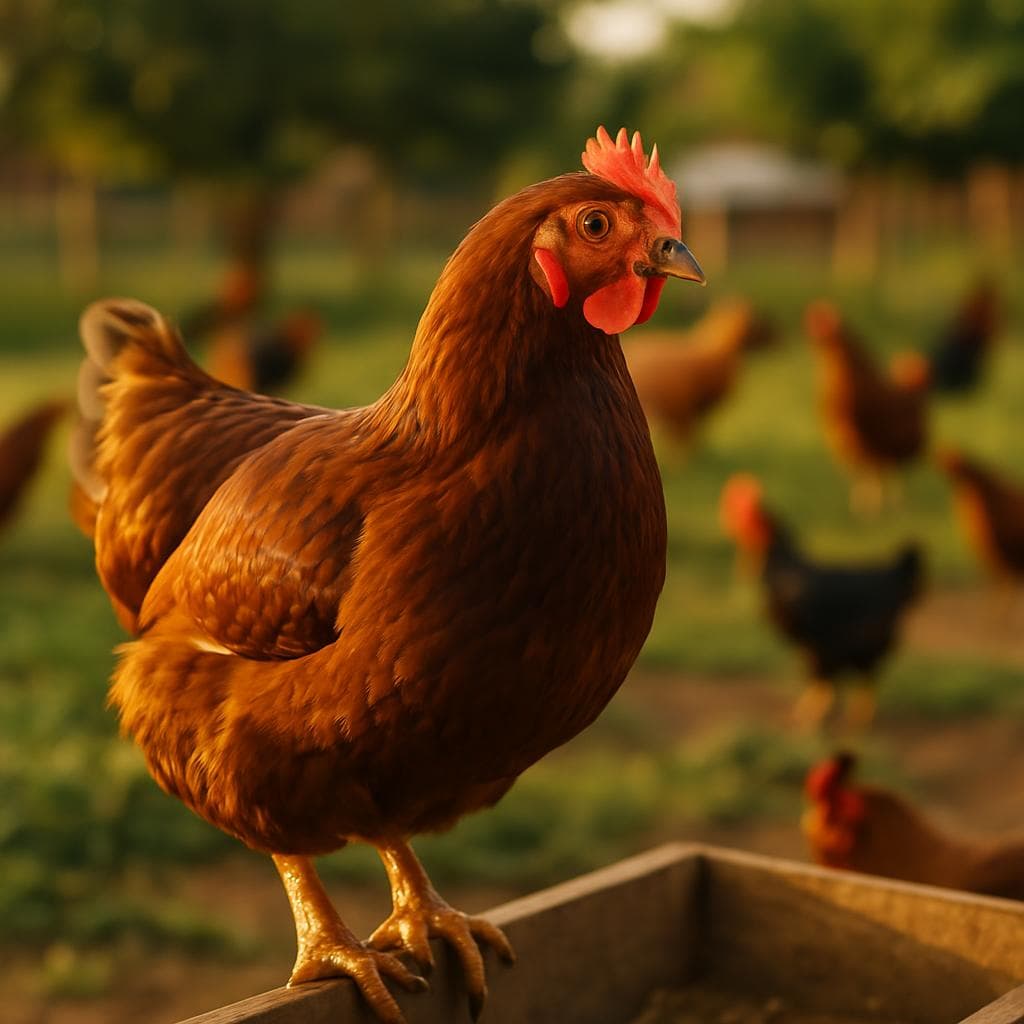
Newcastle disease, also known as avian pseudo-plague, is a viral infection that primarily affects poultry. It is particularly feared by farmers, as it can lead to significant economic losses. To protect your poultry farming, it is essential to know how to recognise the symptoms, implement preventive measures, and know how to react in case of contamination.
Recognising the symptoms
The clinical signs of Newcastle disease can vary depending on the virulence of the virus. Common symptoms include:
- Respiratory distress: coughing, sneezing, and wheezing.
- Neurological problems: tremors, abnormal movements, and paralysis.
- Decreased laying: hens may reduce their egg production.
- Diarrhoea: liquid and foul-smelling droppings may be observed.
- High mortality: in severe cases, sudden mortality may occur.
It is crucial to closely observe your poultry and act quickly if you notice these symptoms. In case of doubt, consult a veterinarian for an accurate diagnosis.
Preventing infection
Prevention is the best strategy to combat Newcastle disease. Here are some practical tips:
- Vaccination: Ensure that your poultry are properly vaccinated. Vaccination is an effective way to protect your farming against the virus.
- Hygiene: Maintain good hygiene in your chicken coop. Regularly clean the premises, disinfect equipment and surfaces, and ensure that water and food are clean.
- Visitor control: Limit access to your farm. People and vehicles can be vectors of transmission. Require disinfection measures for anyone entering your operation.
- Healthy farming: Ensure that your poultry receive a balanced diet and appropriate care. A strong immune system is essential to resist infections.
Reacting in case of infection
If you suspect an infection of Newcastle disease in your farm, here are the steps to follow:
- Isolation: Isolate sick poultry to prevent the spread of the disease.
- Inform a veterinarian: Contact a professional for advice on diagnosis and treatment.
- Carcass disposal: Follow waste management protocols to safely dispose of dead poultry.
- Monitoring: Continue to monitor other poultry for potential new cases.
Conclusion
Newcastle disease poses a serious risk to poultry farming in Côte d'Ivoire. As a farmer, you have the responsibility to know the symptoms, implement effective preventive measures, and react quickly when needed. Vigilance and proactivity are your best allies in protecting your farming and ensuring its sustainability. Do not hesitate to consult veterinary experts for advice tailored to your situation and to stay informed about best practices in avian health.
--- *Source: NEXTEKCI — In-house expertise — summary and analysis by NEXTEKCI.*