
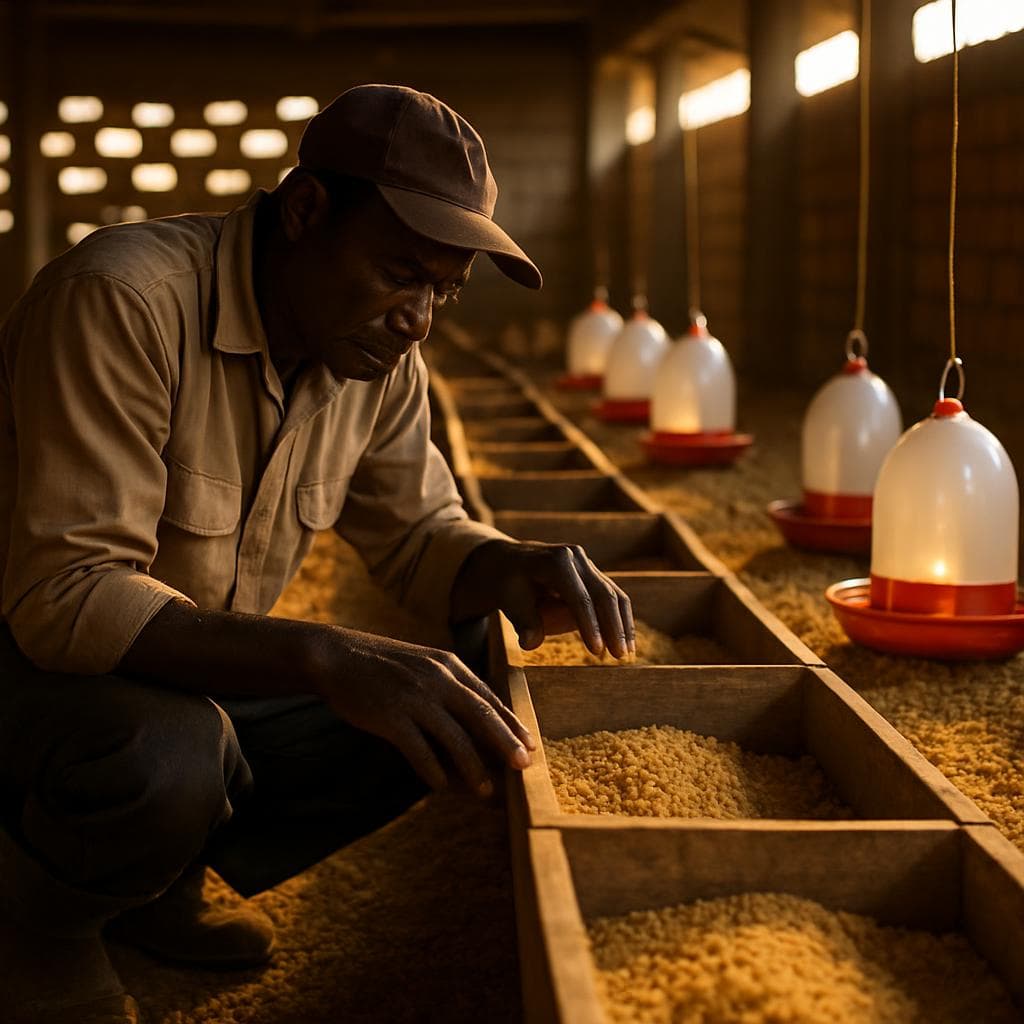
The first week of life for chicks is a critical period for their development. Unfortunately, it is also a phase where mortality can be high. Understanding the causes of this mortality and implementing appropriate solutions is essential to ensure the viability of your poultry farming.
Causes of chick mortality
- Environmental conditions: Chicks are very sensitive to temperature variations. An environment that is too cold or too hot can lead to heat stress, making chicks vulnerable to diseases. It is therefore crucial to maintain an adequate temperature in the hatchery, usually between 32 and 35°C during the first week.
- Nutritional problems: Chicks need a balanced diet from the moment they arrive. A lack of essential nutrients, such as proteins and vitamins, can weaken their immune system and increase the risk of mortality. Ensure you provide quality starter feed, rich in nutrients suitable for their growth stage.
- Infections and diseases: Chicks can be exposed to various diseases, especially if they come from an unreliable source. Bacterial and viral infections can spread rapidly within a group of chicks. It is recommended to ensure the sanitary quality of the chicks and to implement an appropriate vaccination programme as soon as they arrive.
- Stress and handling: Improper handling during the transfer of chicks can also cause stress, leading to health problems. It is important to minimise stress by handling the chicks carefully and avoiding sudden movements.
Practical solutions
- Temperature control: Use thermometers and heating devices to maintain a stable temperature. Regularly check the environment to ensure it is comfortable for the chicks.
- Quality feed: Choose a starter feed specifically formulated for chicks. Ensure they have access to clean, fresh water at all times.
- Strict hygiene: Maintain rigorous cleanliness in the hatchery. Regularly clean and disinfect equipment, shelters, and feed to reduce the risk of infections.
- Health monitoring: Observe the chicks closely for any signs of disease. If in doubt, consult a veterinarian for appropriate diagnosis and treatment.
Conclusion
The mortality of chicks during the first week is a challenge that every farmer must face. By implementing rigorous management practices regarding the environment, nutrition, hygiene, and health, you can significantly reduce losses. Take the time to evaluate your current methods and make the necessary adjustments to ensure the health and well-being of your chicks. Together, let us work to build a prosperous and sustainable poultry farming industry in Côte d'Ivoire.
--- *Source: NEXTEKCI — In-house expertise — summary and analysis by NEXTEKCI.*