
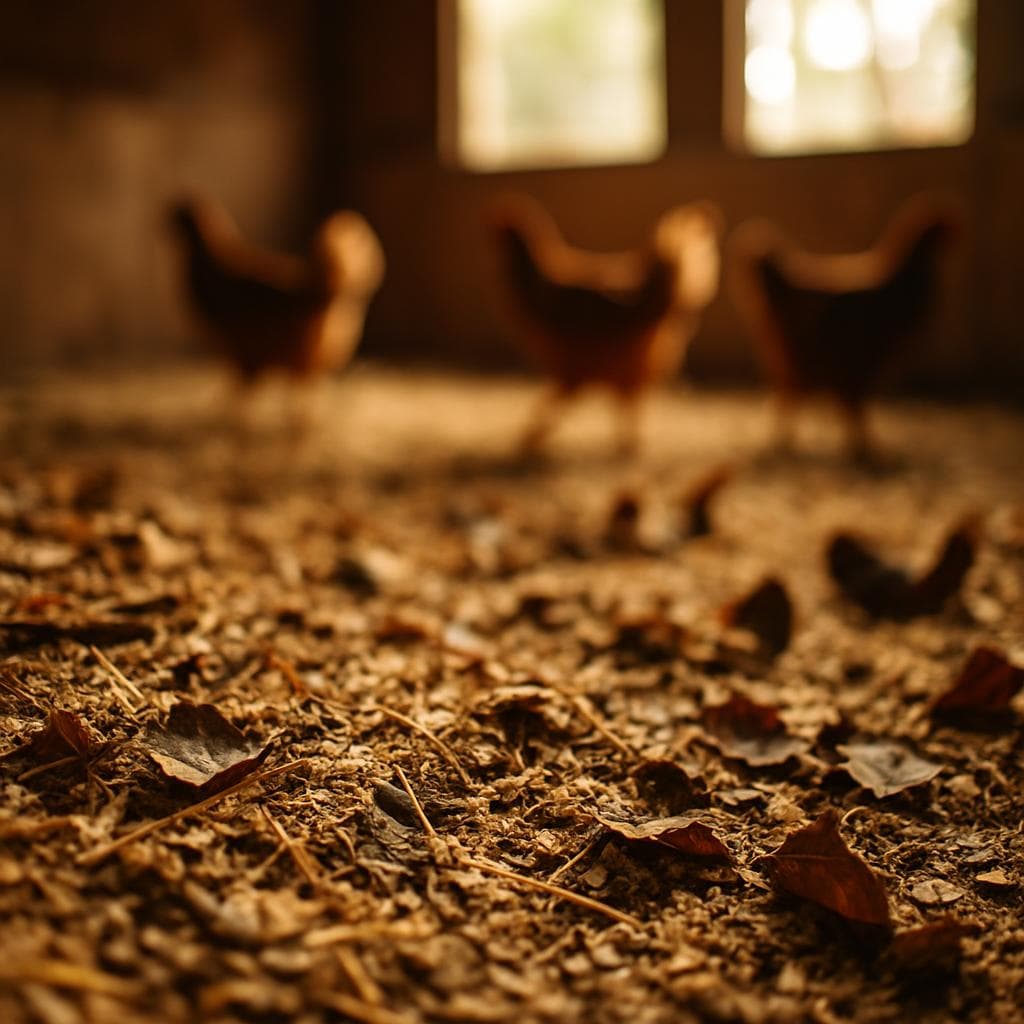
The litter in the chicken coop plays a crucial role in poultry welfare, waste management, and disease prevention. In Côte d'Ivoire, various materials can be used to ensure a clean and comfortable environment for your birds.
Materials available in Côte d'Ivoire
- Straw: Straw is a common material for litter. It is readily available in rural areas and is valued for its ability to absorb moisture. Additionally, it provides good thermal insulation, which is beneficial for chicks.
- Cocoa shells: Given that Côte d'Ivoire is a major cocoa producer, cocoa shells represent an interesting option. They are lightweight and absorb moisture well, while also having a positive effect on the smell of the chicken coop.
- Wood shavings: Wood shavings are also used, although they are less common. They are effective at absorbing moisture, but it is important to ensure that they come from untreated wood to avoid any risk of contamination.
- Manure: Some poultry farmers use manure as litter, as it adds nutrients to the soil. However, its use requires precautions, as it can also promote the proliferation of bacteria if not managed properly.
Recommended thickness
The thickness of the litter is an important factor to consider. Generally, a thickness of 10 to 15 cm is recommended to ensure good moisture absorption and optimal comfort for the poultry. Litter that is too thin may not absorb enough moisture, leading to unsanitary conditions, while litter that is too thick can make cleaning difficult.
Maintenance of the litter
Regular maintenance of the litter is essential to maintain a healthy environment. Here are some practical tips:
- Regular change: It is advisable to change the litter every 1 to 2 weeks, depending on the number of poultry and the type of litter used. This helps to reduce odours and prevent diseases.
- Aeration: Ensure that the chicken coop is well-ventilated to avoid moisture accumulation. Good air circulation helps to dry the litter and reduce the risk of respiratory diseases in poultry.
- Monitoring: Regularly check the litter for signs of excessive moisture or contamination. If you notice wet areas, it is best to replace them immediately.
Conclusion
As a poultry farmer in Côte d'Ivoire, it is crucial to choose the right material for your chicken coop litter and maintain an adequate thickness. Regular maintenance and good management of the litter will contribute to the health and welfare of your poultry. Feel free to experiment with different materials and adjust your approach based on the specific needs of your farming. For personalised advice, consider inquiring about the prices of available materials from your local suppliers via WhatsApp.
--- *Source: NEXTEKCI — In-house expertise — summary and analysis by NEXTEKCI.*