
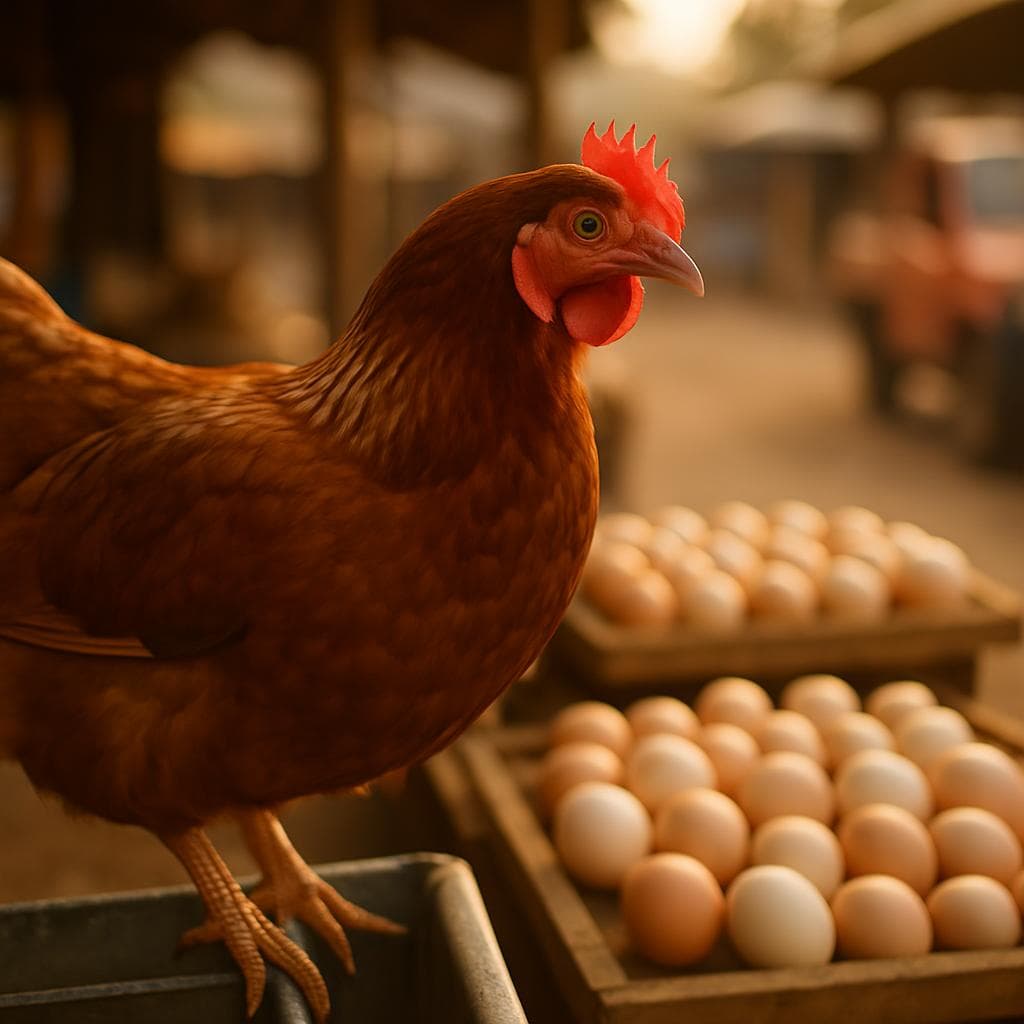
The rearing of layers is a crucial activity in the poultry sector, especially in Côte d'Ivoire, where the demand for eggs continues to rise. To optimise your production, it is essential to understand the laying curve, the peak production, and the timing of the reform of layers.
The laying curve of layers
The laying curve represents the evolution of egg production over the life of a hen. Generally, layers begin to lay eggs between 18 and 20 weeks. Initially, production is low, but it gradually increases. The peak of laying usually occurs between 24 and 30 weeks. During this period, you can expect maximum production, which is the ideal time to maximise your sales.
The peak production
The peak production is a phase where layers reach their maximum laying capacity. It is crucial to manage this period well to ensure the quality of the eggs and the well-being of the animals. Ensure that your hens receive a balanced diet, rich in protein and calcium, which is essential for the formation of eggshells. Good management of lighting is also fundamental: adequate lighting stimulates laying. Generally, a light cycle of 16 hours per day is recommended to promote production.
The reform of layers
After the peak production, the laying curve begins to decline. The reform of layers is an important step, as it allows for the renewal of the flock to maintain optimal production. Generally, layers are reformed between 72 and 78 weeks, depending on the breed and rearing conditions. It is important to monitor egg production and make informed decisions about the timing of the reform. Hens that lay less than 50% of their capacity should be considered for reform.
Practical tips for Ivorian farmers
- Regular monitoring: Keep a record of egg production for each hen to better understand the laying curve and identify the right time for reform.
- Quality feed: Invest in quality feed to ensure good health and optimal production.
- Environmental management: Maintain a clean and healthy environment in the chicken coop to prevent diseases, which can affect production.
- Continuous training: Stay informed about best practices in layer rearing by participating in training or consulting experts.
Conclusion
For a farmer in Côte d'Ivoire, a good understanding of the laying curve, peak production, and the timing of the reform is essential to ensure the profitability of their layer farming. By applying these practical tips, you can maximise your production and improve your results. Remember to regularly check market prices and adjust your strategies accordingly.
--- *Source: NEXTEKCI — In-house expertise — summary and analysis by NEXTEKCI.*